Categories
Blogs

Understanding Sulphur Dioxide(SO2):Sources Of Pollution, Health Impact, Knowing Safety Limits and Solutions

Understanding Sulphur Dioxide(SO2):Sources Of Pollution, Health Impact, Knowing Safety Limits and Solutions.

Sulphur Dioxide (SO2) is one of the most significant primary air pollutants after carbon dioxide and nitrogen oxides. This harmful gas plays a major role in industrial air pollution and poses serious risks to workers’ health and workplace safety. In this article, we explore how SO2 becomes a threat in industrial environments, its health impact on workers, the safety limits required to control SO2 exposure, and the key government regulations designed to reduce the risks associated with Sulphur Dioxide in industries.

What is sulfur dioxide(SO2)?

Sulfur dioxide (SO2) is a colorless, toxic gas with a strong, choking odor. It's a member of the sulfur oxide (SOX) family of chemicals, which are made up of sulfur and oxygen.

Sulfur Dioxide (SO2) as a Pollutant

Sulfur dioxide has various sources of pollution; some of the sources are as follows:

Natural Sources

Sulfur dioxide is naturally generated through

Volcanic Eruptions

Artificial Sources

There are two types of artificial sources of SO2.

  • Industrial Sources
  • Other Sources

In industries, SO2 is generated through petroleum refineries, cement manufacturing, paper pulp manufacturing, and metal smelting and processing facilities.

Other sources of SO2 include locomotives, large ships, and some non-road diesel equipment that currently burns high-sulfur fuel and releases sulfur dioxide into the air.

Burning fossil fuels (coal and oil) for domestic heating is also a source of SO2

Highest Concentration Of SO2 In The World –

In the world scenario the highest concentration of SO2 is from our country India, then on the second spot is Russia and Third is China.:

India as the largest emitter of SO2 in the world, contributing more than 21% of global emissions mainly coming from coal-based electricity generation.
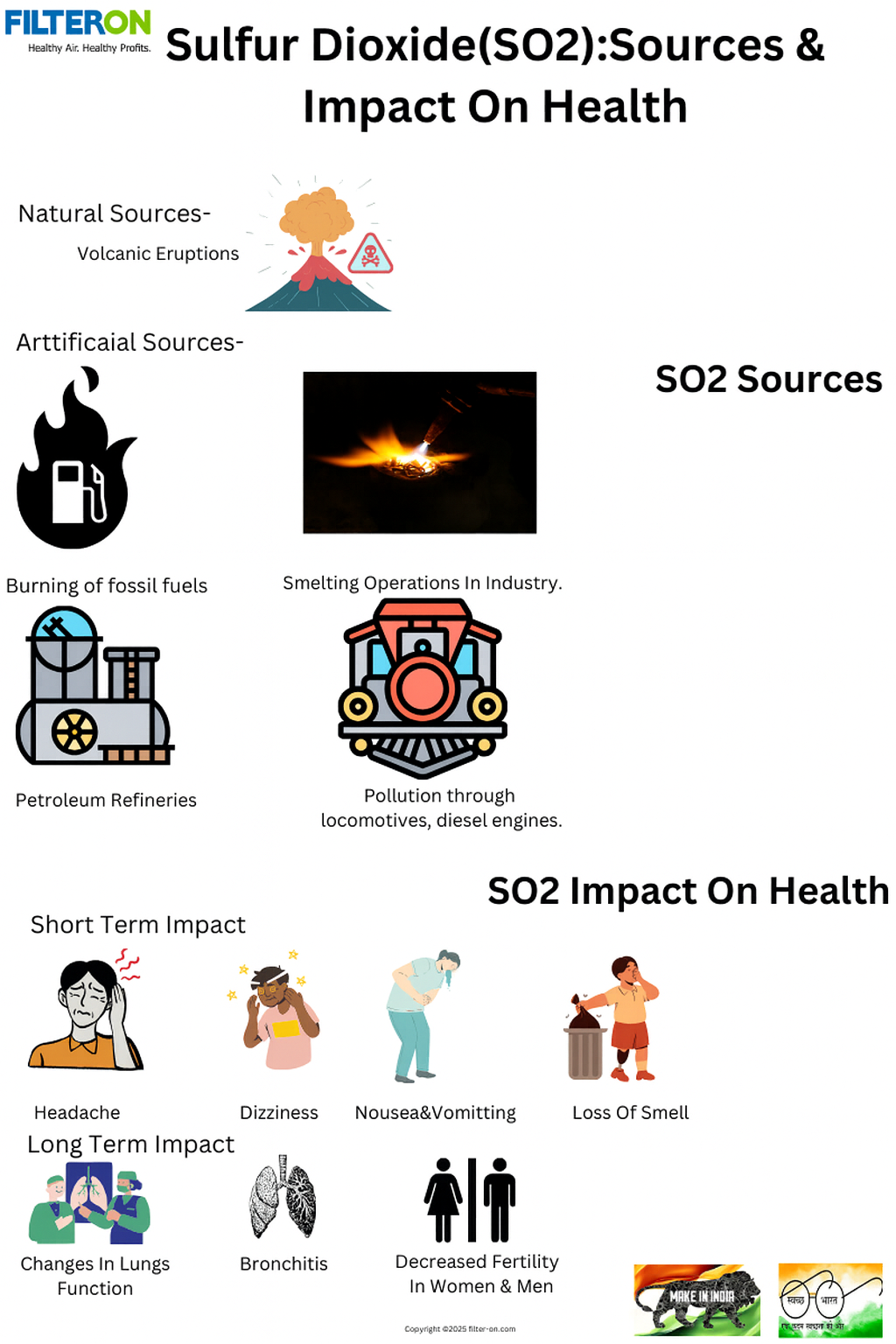
Sulphur dioxide(SO2) sources and health impact

How are you exposed to Sulphur dioxide(SO2)?

You can be exposed to Sulphur dioxide(SO2) by breathing it in the air or getting it on your skin. People who live near industrial sources of sulfur dioxide may be exposed to it in the air. You are most likely to be exposed if you work in industries where SO2 is produced, such as copper smelting or power plants, or where it is used in the production of sulfuric acid, paper, food preservatives, or fertilizers. People with malfunctioning appliances or chimneys in their homes may also be exposed to sulfur dioxide.

Most SO2 exposures are caused by people breathing contaminated outdoor air.

SO2 Impact on Health:

The impact of SO2 on health consists of short-term and long-term impacts.

Short-Term Impact of SO2 on Health:
Exposure from breathing sulfur dioxide can cause:

  • Burning of the nose, throat, and lungs
  • Difficulty breathing
  • Loss of smell
  • Headaches and dizziness
  • Nausea and vomiting
  • Harm to the respiratory system: As an irritant, sulfur dioxide can affect lung function and cause and worsen respiratory diseases in humans and animals.

Exposure to very high levels of sulfur dioxide can be life-threatening.

Touching liquid sulfur dioxide can cause:

  • Frostbite
  • Irritation of the eyes:

Long-Term Impact of SO2 on Health:
Long-term exposure to sulfur dioxide can cause:

  • Changes in lung function

SO2 emissions that lead to high concentrations of SO2 in the air generally also lead to the formation of other sulfur oxides (SOx). SOx can react with other compounds in the atmosphere to form small particles. These particles contribute to particulate matter (PM) pollution. Small particles may penetrate deeply into the lungs, and in sufficient quantity, they can contribute to health problems.

  • Bronchitis and shortness of breath

People with asthma may be sensitive to changes in respiratory effects due to SO2 exposure at even low concentrations. Sulfur dioxide is not classified as a human carcinogen (it has not been shown to cause cancer in humans).

  • Decreased fertility in women and men:

 Continuous inhalation of SO2 affects fertility rates in women and men.

Solutions for SO2 Exposure at Industries

Safety measures taken by industries Include the following:

Use ventilation systems.

Use of ventilation systems like LEV (local exhaust ventilation) can reduce the exposure to SO2 to some extent, which leads to an increase in air flow capacity in the work environment, which is very important for workers health.

Use of Extraction Systems:

Using extraction systems for air pollution control is the best solution to protect workers from high exposure to SO2-like pollutants, such as  Filter On  welding fume extraction systems, oil mist collectors, and dust collection systems will be very beneficial for industries to reduce the risk of SO2-like pollutants on workers health.

Use the government guidelines.

Using and following the government guidelines from time to time will surely reduce the exposure of SO2 in industries, and it will have a positive impact on society.

Here are some safety precautions for SO2 exposure, including:

  • Using personal protective equipment as required
  • Increasing ventilation in the area or moving a leaking container to a well-ventilated and secure area
  • Stopping or reducing the leak if it is safe to do so
  • Knocking down gas with fog or a fine water spray

Safety limits for SO2 exposure.

As per OSHA, the permissible safety limits for SO2 exposure are as follows:
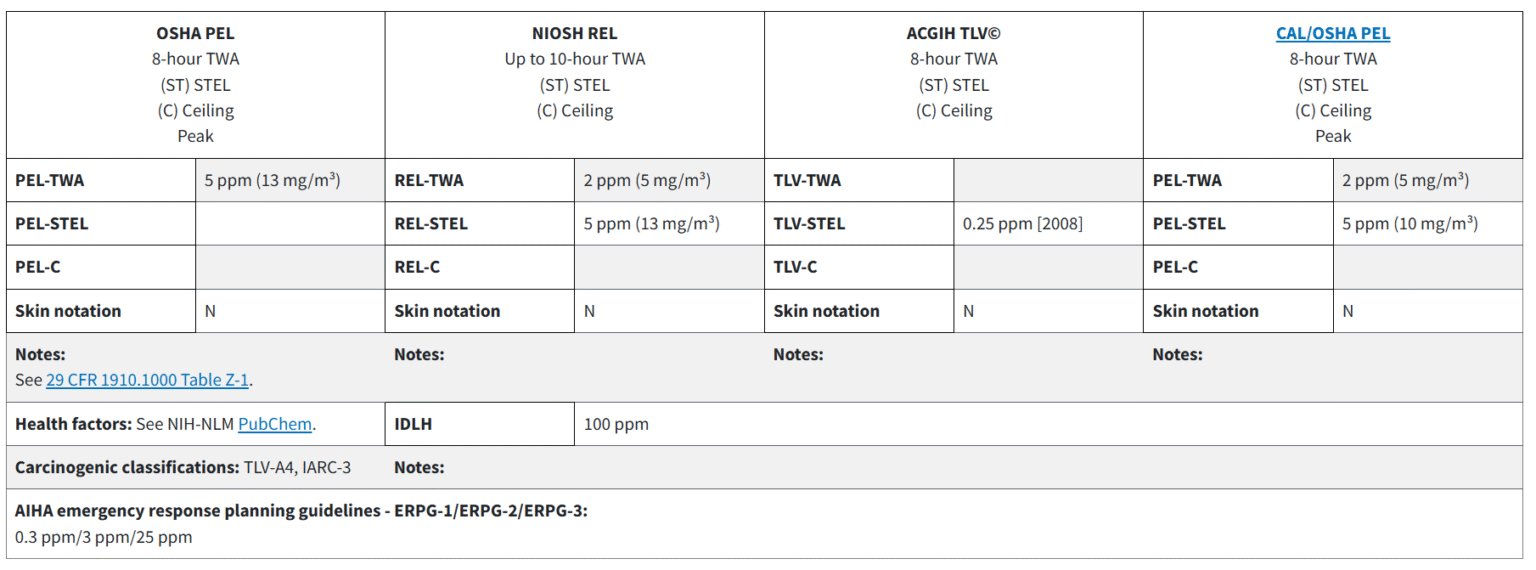
SO2 OSHA Limits

In India, as per CPCB-Central Pollution Control Board Of Regulation the SO2 Exposure limits are as follows-
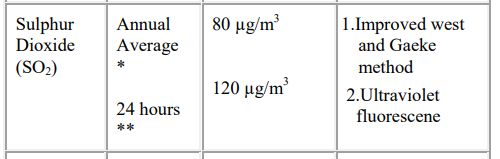
CPCB SO2 Exposure Limits

Visit  blogs to learn more about the critical features of clean air system design and air pollution control systems created by Filter On India.
Filter On India has been working towards “Mission Zero Pollution” for the last 40+ years as a clean air solutions partner for industries. We specialize and have expertise in welding fumes, oil mist, coolant mist, dust collection, soldering, laser marking, laser cutting, plasma cutting, fumes in fastener manufacturing, ball point tip manufacturing, oil quenching, kitchen fumes, etc. Filter On has 70+ clean air solutions, so you can contact us for more information about our solutions. You can reach us through the web or visit us at our corporate office at Pune, or mail us at : marketing@filter-on.com

Facebook
Twitter
LinkedIn
Categories
Blogs

Formaldehyde (HCHO or CH2O): Unraveling the Impact on Pollution, Health, Safety Limits, and Solutions

Formaldehyde (HCHO or CH2O): Unraveling the Impact on Pollution, Health, Safety Limits, and Solutions

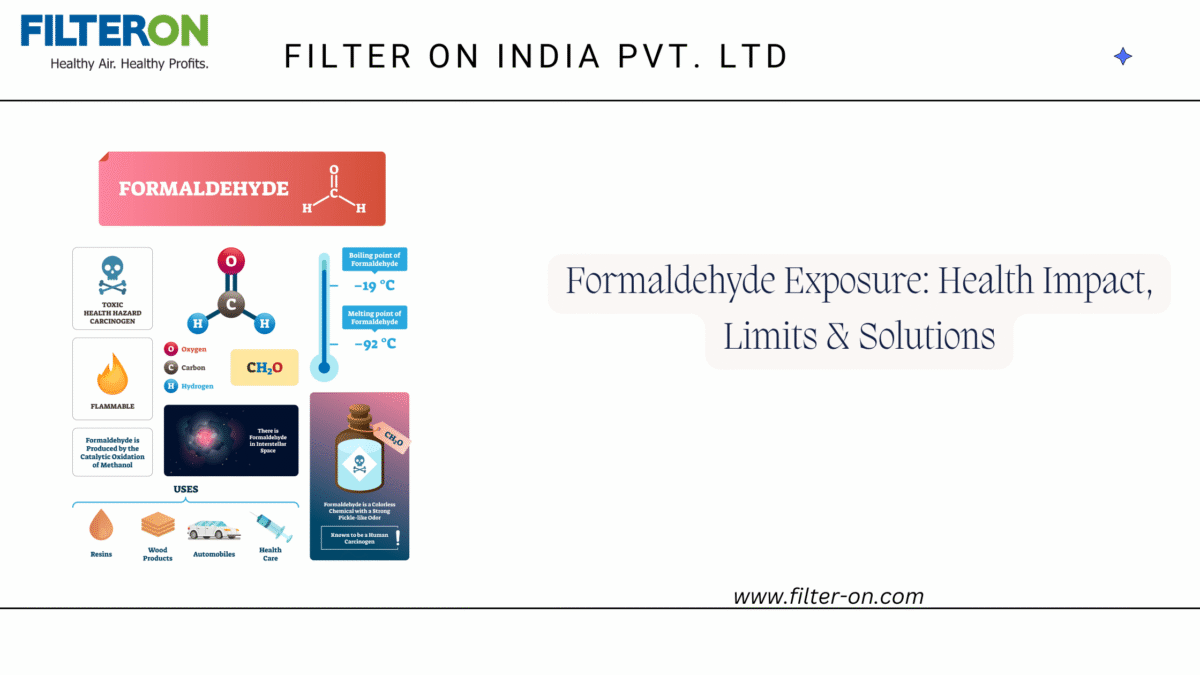
In today's fast-paced world, air pollution is a major problem. Various pollutants are responsible for polluting the air; formaldehyde, i.e., CH20, is among them. So here in this article, we will focus on formaldehyde-CH20 as a pollutant, its exposure i.e. formaldehyde exposure, their health effects, safety limits, and effective solutions, all with respect to industrial air quality improvement.

What is formaldehyde-CH20?

Formaldehyde Exposure Explained

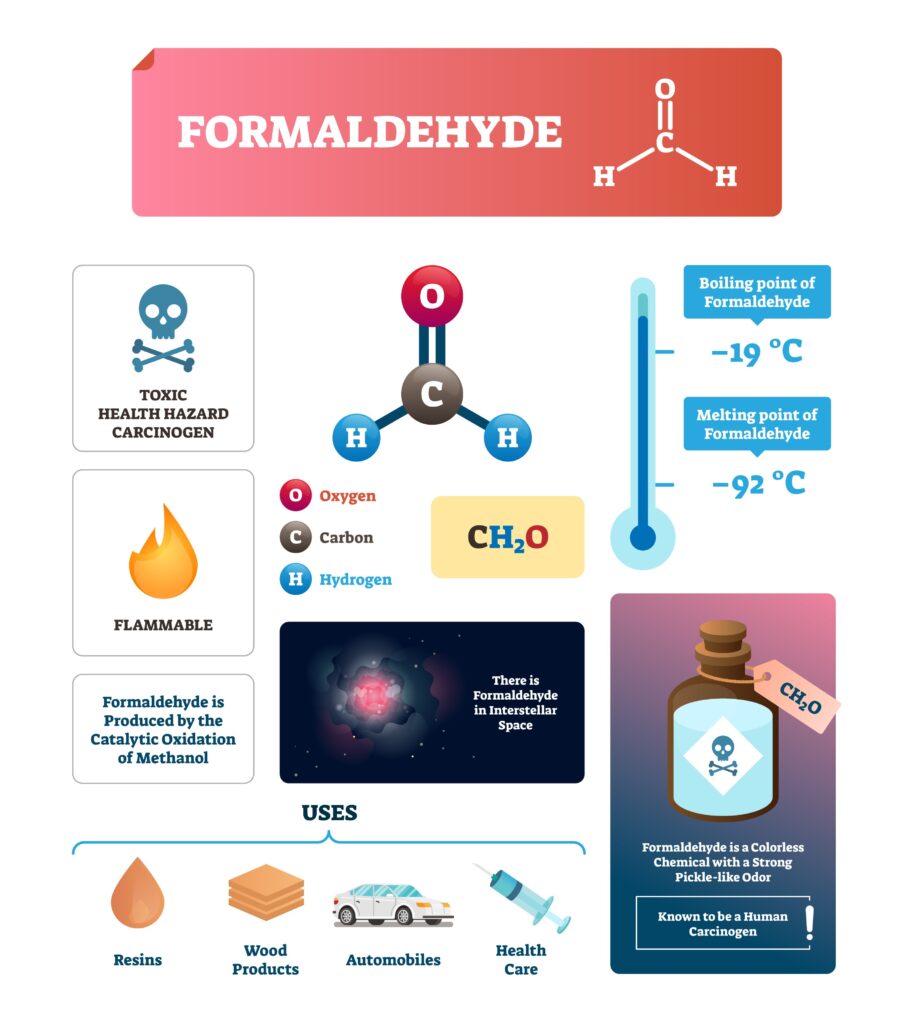
Formaldehyde is a naturally occurring organic compound with the molecular formula HCHO or CH2O or in common names methanal. It is made up of two hydrogen molecules, a single carbon molecule, and a single oxygen molecule.

Uses of formaldehyde:

Formaldehyde is used mainly to produce resins used in particleboard products and as an intermediate in the synthesis of other chemicals. Formaldehyde is used in many industries, such as glues and resins, dyes, textiles, disinfectants, building materials, automobile parts, embalming, and laboratories.

Sources of formaldehyde exposure:

According to inchem.org, here are the sources of formaldehyde:

Natural sources

Formaldehyde occurs naturally in the environment and is the product of many natural processes. It is released during biomass combustion, such as in forest and brush fires (Howard, 1989; Reinhardt, 1991). In water, it is also formed by the irradiation of humic substances by sunlight (Kieber et al., 1990).

As a metabolic intermediate, formaldehyde is present at low levels in most living organisms. It is emitted by bacteria, algae, plankton, and vegetation.

Anthropogenic sources

Anthropogenic sources of formaldehyde include direct sources such as fuel combustion, industrial on-site uses, and off-gassing from building materials and consumer products.

Industrial releases of formaldehyde can occur at any stage during the production, use, storage, transport, or disposal of products with residual formaldehyde. Formaldehyde has been detected in emissions from chemical manufacturing plants. Formaldehyde has been detected in the off-gassing of formaldehyde products such as wood panels, latex paints, new carpets, textile products, and resins. While emission rates have been estimated for some of these sources, there is insufficient data to estimate total releases. In some countries, there have been regulatory and voluntary initiatives to control emissions from building materials and furnishings, since these are recognized as the major sources of elevated concentrations of formaldehyde in indoor air.

People are exposed primarily by inhaling formaldehyde gas or vapor from the air or by absorbing liquids containing formaldehyde through the skin. Workers who produce formaldehyde or products that contain formaldehyde—as well as laboratory technicians, certain health care professionals, and mortuary employees—may be exposed to higher levels of formaldehyde than people in the general population.

The general public may be exposed to formaldehyde by breathing contaminated air from sources such as pressed-wood products, tobacco smoke, and automobile tailpipe emissions. Another potential source of exposure to formaldehyde is the use of unvented fuel-burning appliances, such as gas stoves, wood-burning stoves, and kerosene heaters.

Some examples of workers at risk of being exposed to formaldehyde include the following:

  • Agricultural workers who work in confinement livestock production
  • Construction workers who work with resin-manufactured products
  • Workers who manufacture plastics, resins, and foam insulation
  • Morticians in the embalming process
  • Beauticians who apply dyes and smoothing products

Health Impacts of Formaldehyde Exposure on Workers:

Formaldehyde Exposure Health Impacts on workers

There are various health concerns for workers due to formaldehyde inhalation.

As per EPA documentation, the following health impacts have been found due to exposure to formaldehyde:

Acute Effects:

The major toxic effects caused by acute formaldehyde exposure via inhalation are eye, nose, and throat irritation and effects on the nasal cavity. Other effects seen from exposure to high levels of formaldehyde in humans are coughing, wheezing, chest pains, and bronchitis. Ingestion exposure to formaldehyde in humans has resulted in corrosion of the gastrointestinal tract, inflammation, and ulceration of the mouth, esophagus, and stomach.

Chronic Effects (Noncancer):

Chronic exposure to formaldehyde by inhalation in humans has been associated with respiratory symptoms and eye, nose, and throat irritation.

Repeated contact with liquid solutions of formaldehyde has resulted in skin irritation and allergic contact dermatitis in humans.

Reproductive/Developmental Effects:

An increased incidence of menstrual disorders was observed in female workers using urea-formaldehyde resins. However, possible confounding factors were not evaluated in this study. (1,2) A study of hospital equipment sterilization workers did not report an association between formaldehyde exposure and increased spontaneous abortions.

Developmental effects, such as birth defects, have not been observed in animal studies with formaldehyde.

Cancer Risk:

Occupational studies have noted statistically significant associations between exposure to formaldehyde and an increased incidence of lung and nasopharyngeal cancer. This evidence is considered “limited” rather than “sufficient” due to possible exposure to other agents that may have contributed to the excess cancer.

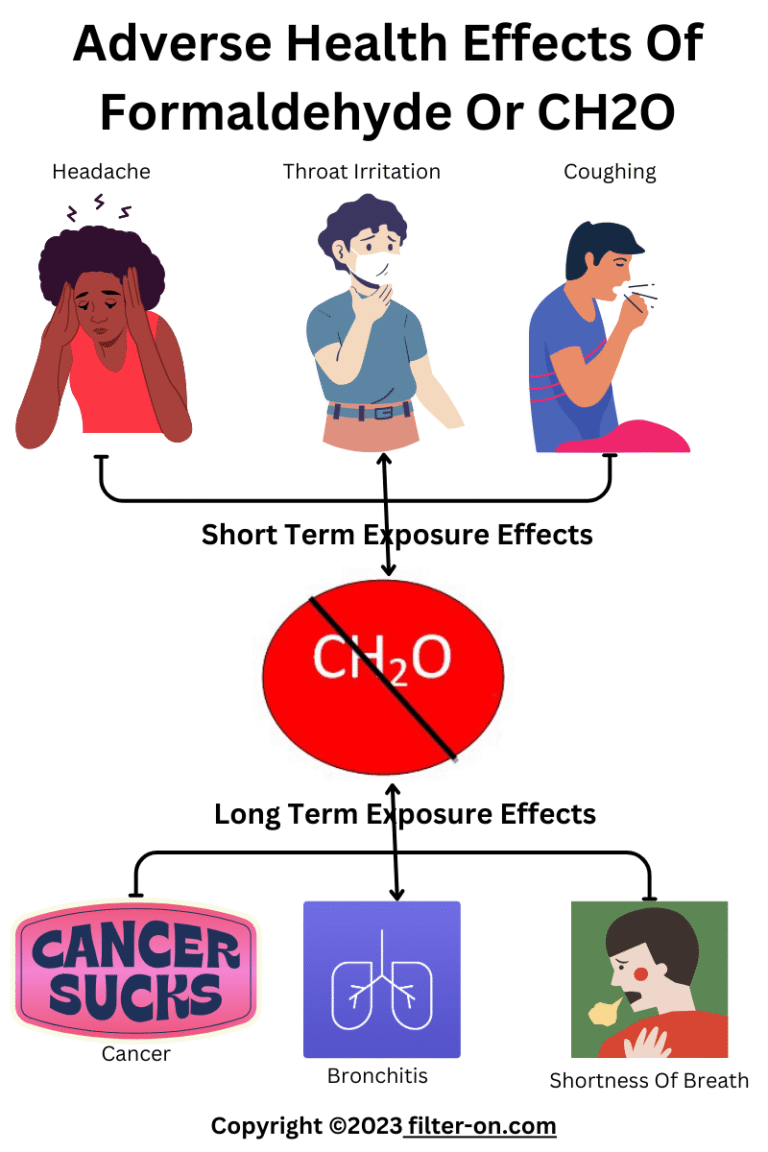
In short, formaldehyde is responsible for the following health effects on workers (Categorization of Health Effects):

Short-term:
Exposure to breathing formaldehyde can cause:

  • Irritation of the nose, eyes, and throat
  • Neurological effects
  • Headache
  • Nausea
  • Increased risk of asthma and allergies

Skin contact with formaldehyde can cause:

  • Skin irritation and eczema

Swallowing formaldehyde can cause:

  • Gastrointestinal irritation

Long-term:

Long-term exposure to formaldehyde can cause:

    • Cancer
    • Bronchitis
    • Shortness of breath
Safety Limits and Precautions for Formaldehyde Exposure:
As per OSHA Standards, here are the precautions and safety measures that should be taken by the employer to control exposure to formaldehyde:
  • Airborne concentrations of formaldehyde above 0.1 ppm can cause irritation of the respiratory tract. The severity of irritation intensifies as concentrations increase. Provisions of the OSHA standard require employers to do the following: • Identify all workers who may be exposed to formaldehyde at or above the action level or STEL through initial monitoring and determine their exposure.
  • Reassign workers who suffer significant adverse effects from formaldehyde exposure to jobs with significantly less or no exposure until their condition improves. Reassignment may continue for up to 6 months until the worker is determined to be able to return to the original job or to be unable to return to work, whichever comes first.
  • Implement feasible engineering and work practice controls to reduce and maintain worker exposure to formaldehyde at or below the 8-hour TWA and the STEL. If these controls cannot reduce exposure to or below the PELs, employers must provide workers with respirators.
  • Label all mixtures or solutions composed of more than 0.1 percent formaldehyde and materials capable of releasing formaldehyde into the air at concentrations reaching or exceeding 0.1 ppm. For all materials capable of releasing formaldehyde at levels above 0.5 ppm during normal use, the label must contain the words “potential cancer hazard.”
  • Train all workers exposed to formaldehyde concentrations of 0.1 ppm or greater at the time of the initial job assignment and whenever a new exposure to formaldehyde is introduced into the work area. Repeat training annually.
  • Select, provide, and maintain appropriate personal protective equipment (PPE). Ensure that workers use PPE such as impervious clothing gloves, aprons, and chemical splash goggles to prevent skin and eye contact with formaldehyde.
  • Provide showers and eyewash stations if splashing is likely.
  • Provide medical surveillance for all workers exposed to formaldehyde at concentrations at or above the action level or exceeding the STEL, for those who develop signs and symptoms of overexposure, and for all workers exposed to formaldehyde in emergencies.
Recordkeeping Requirements
  • Employers are required to do the following regarding worker exposure records:
  • Retain exposure records for 30 years. 
  • Retain medical records for 30 years after employment ends.
  • Allow access to medical and exposure records for current and former workers or their designated representatives upon request.
Solutions to Formaldehyde Exposure:

Here are some solutions for controlling the exposure to formaldehyde.

  • Use ventilation systems: In industries where formaldehyde exposure is greater, using ventilation measures to control formaldehyde exposure is a must. Using ventilation systems like Local Exhaust Ventilation (LEV) can reduce exposure to formaldehyde very well.
  • Follow government guidelines:  Following government guidelines is the best way to protect workers and the industrial environment from heavy penalties. Time-to-time checking of harmful pollutants by tests like Filter On India’s Air Quality Mapping Test Service can show you the exact exposure of formaldehyde and other pollutants and exposure levels.
  • Use of Air Pollution Control Systems: Using air pollution control systems like welding fume extractors, oil mist collectors, and dust collection solutions from Filter On India can reduce exposure to various pollutants, such as formaldehyde, to a great extent.
Visit  blogs to learn more about the critical features of clean air system design and air pollution control systems created by Filter On India.
Filter On India has been working towards “Mission Zero Pollution” for the last 40+ years as a clean air solutions partner for industries. We specialize and have expertise in welding fumes, oil mist, coolant mist, dust collection, soldering, laser marking, laser cutting, plasma cutting, fumes in fastener manufacturing, ball point tip manufacturing, oil quenching, kitchen fumes, etc. Filter On has 70+ clean air solutions, so you can contact us for more information about our solutions. You can reach us through the web or visit us at our corporate office at Pune, or mail us at : marketing@filter-on.com

Facebook
Twitter
LinkedIn