Categories
Blogs

Understanding Carbon Monoxide(CO):Pollution, Health Impacts,Safety Limits And Industrial Solutions.

Understanding Carbon Monoxide(CO): Pollution, Health Impacts, Safety Limits And Industrial Solutions.

Pollution, especially industrial pollution, is increasing day by day, and the air quality is decreasing as a result. When we talk about air pollution, there are various pollutants like CO2, SO2, and VOC among them. CO, or carbon monoxide,(CO Pollution) is one of them. In this article, we will look into carbon monoxide, its impact on the industrial work environment, health impacts, safety limits, and the solutions required to limit exposure for industry.

What is carbon monoxide (CO)?- CO Pollution

Carbon monoxide (CO) is a poisonous, flammable gas that is colorless, odorless, and tasteless. It is slightly less dense than air and is soluble in water. 

How Carbon Monoxide is Generated:

Carbon monoxide (CO) generated by natural gas, wood, or gasoline is burned incompletely.

Carbon Monoxide (CO) Sources:

Natural Sources:

Natural sources of carbon monoxide include the following:

  • Volcanoes
  • Natural Gas
  • Forest Fires
  • Lighting

Man-made sources

Man-made or artificial sources of carbon monoxide (CO) are as follows:

  • Vehicle Emissions
  • Barbeques
  • Wood stoves
  • Gas and water heaters
  • Gas stoves
  • Fuel-fired heaters
  • Fireplaces
  • Gas dryers

Industrial Sources

  • Metal manufacturing
  • Electricity supply
  • Mining metal, ore, and coal
  • Food manufacturing
  • Extracting oil and gas from land or sea
  • Production of chemicals
  • Cement, lime, plaster 
  • Concrete manufacturing 
  •  Petroleum refining

Industrial Processes That Generate CO

  • Laser Cutting
  • Soldering 
  • Plasma Cutting
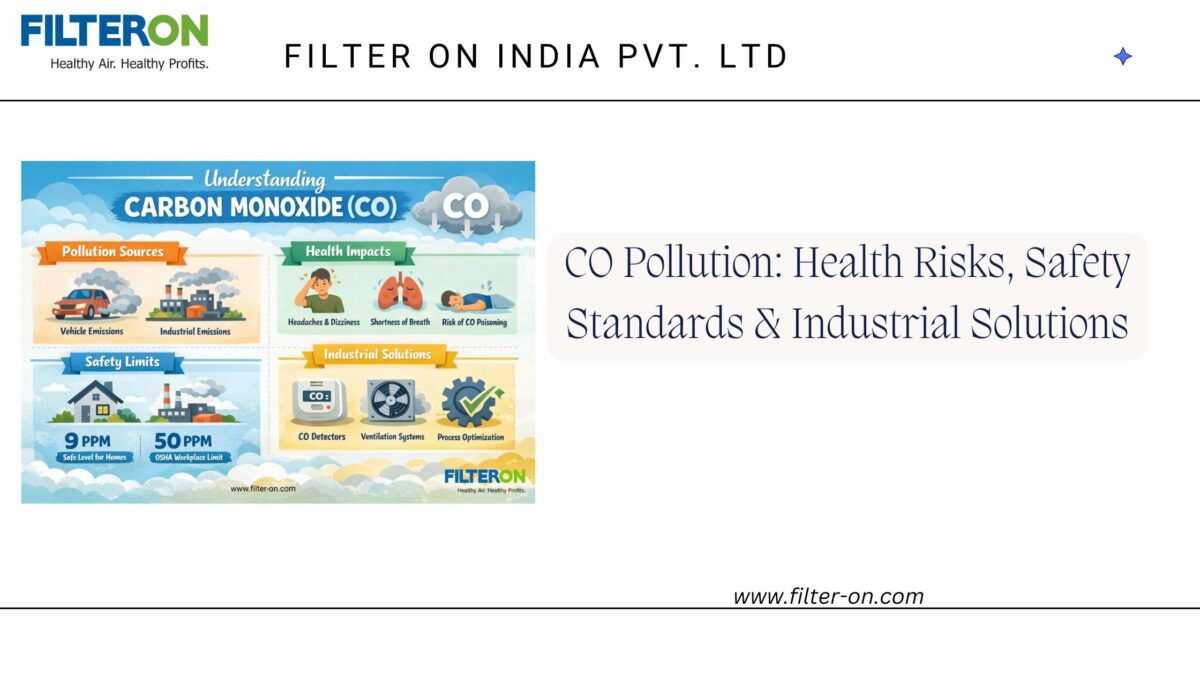
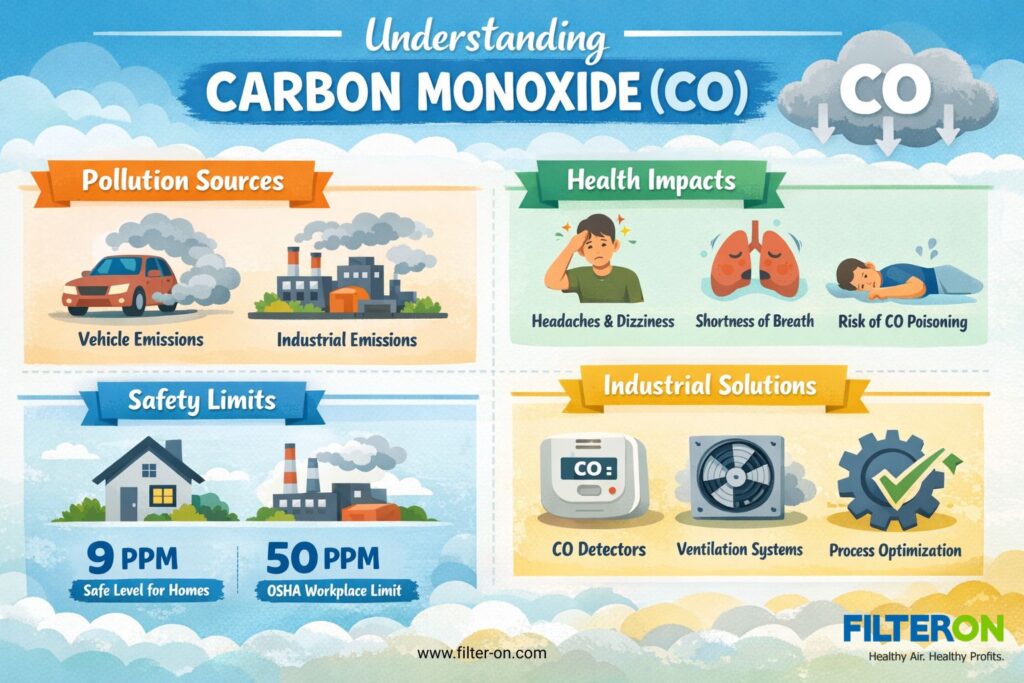
Infographic explaining carbon monoxide (CO) pollution, health impacts, safety limits, and industrial solutions.

Health Impacts of Carbon Monoxide(CO Pollution):

Carbon monoxide has Severe health impacts are on industrial workers and all people who are in constant contact with fossil fuel burning and processes that produce carbon monoxide, which are listed above. Some of the important health impacts are listed below:

Short-term:
exposure from breathing carbon monoxide can cause:

  • Headache
  • Nausea and vomiting
  • Blurred vision
  • Confusion
  • Dizziness
  • Chest pain
  • Weakness
  • Difficulty breathing
  • Damage to the heart and brain
  • Unconsciousness

Breathing in high amounts of carbon monoxide is life-threatening.

Long-term:
Exposure to high carbon monoxide levels can cause:

  • Miscarriage
  • Damage to a developing fetus
  • Seizures
  • Coma
  • Heart failure

Safety Limits for Carbon Monoxide (CO Pollution):

The Occupational Safety and Health Administration (OSHA) states that the permissible exposure limit (PEL) for carbon monoxide (CO) is 50 parts per million (ppm). This means that the average concentration of CO in the air over an 8-hour period should not exceed 50 ppm. The 8-hour PEL for CO in maritime operations is also 50 ppm.

You can read various safety limits for CO here.

In India, the Central Pollution Control Board (CPCB) has also set some norms about carbon monoxide exposure. These are as follows:

For industries, the 8-hour PEL of CPCB for industrial, residential, rural, and other areas is 02 mg/m3, and for 1 hour, PEL is 04 mg/m3. The 8-hour PEL of the conditional and sensitivity areas declared by the central government . is 02 mg/m3, and the 1-hour PEL is 04 mg/m3.

Solutions for Carbon Monoxide (CO Pollution) Exposure in Industries:

To limit the exposure of carbon monoxide (CO) in industries and mitigate the risks for industrial workers.

  • Measurement through CO sensors: Industries should monitor and measure carbon monoxide (CO) by using carbon monoxide monitoring sensors, through which they can monitor, control, and measure carbon monoxide exposure.
  • Using extraction solutions: Industries must use extraction solutions to control CO exposure in the industrial environment. Solutions such as Filter on Soldering Fumes Extraction Solutions, Filter on Laser Fumes Extraction Solutions, and Filter on Plasma Cutting Fumes Extraction Solutions are for controlling soldering fumes, laser cutting fumes, and plasma cutting fumes exposure, which also results in CO exposure.
  • Using ventilation solutions: Industries must use ventilation solutions such as LEV (local exhaust ventilation) for a clean air environment in the workplace. 
  • No Vehicle Use for Walking Distance:  Everyone should follow the no vehicle use policy for walking distance, which can reduce CO in the environment. Making such little effort can create a big impact on the environment in the long run, which is the best initiative for our long-term goal, “Mission Zero Pollution.” 
Visit  blogs to learn more about the critical features of clean air system design and air pollution control systems created by Filter On India.

Filter On India has been working towards “Mission Zero Pollution” for the last 40+ years as a clean air solutions partner for industries. We specialize and have expertise in welding fumes, oil mist, coolant mist, dust collection, soldering, laser marking, laser cutting, plasma cutting, fumes in fastener manufacturing, ball point tip manufacturing, oil quenching, kitchen fumes, etc. Filter On has 70+ clean air solutions, so you can contact us for more information about our solutions. You can reach us through the web or visit us at our corporate office at Pune, or mail us at : marketing@filter-on.com

Facebook
Twitter
LinkedIn
Categories
Blogs

Clearing the Air: Understanding NO₂ Pollution, Health Risks, Safety Standards, and Industrial Solutions

Clearing the Air: Understanding NO₂ Pollution, Health Risks, Safety Standards, and Industrial Solutions

Air pollution is an important and serious issue, as the world is facing critical consequences due to its impact on people's health. Government . agencies took serious action against those who caused pollution. Nitrogen oxide is one of the primary air components in the air and, if inhaled, is dangerous to health. In this article, we will discuss nitrogen oxide (NO₂ )'s role as a pollutant, health effects due to NO₂ Pollution, safety limits, and industrial solutions and precautions amid its exposure.

What is nitrogen dioxide (NO₂ ) & NO₂ Pollution

Nitrogen dioxide (NO₂ ) is a gaseous air component composed of nitrogen and oxygen. NO₂  is one of a group of related gasses called nitrogen oxides, or NOx. NO₂ is created when fossil fuels such as coal, oil, methane gas (natural gas), or diesel are burned at high temperatures.

Nitrogen Dioxide (NO₂) as a Pollutant:

Natural Sources of Nitrogen Dioxide (NO₂):

Nitrogen dioxide (NO₂) can be formed from both natural and human activity. Natural sources include:

  • lightning strikes
  • volcanoes
  • oceans
  • biological decay

Combustion creates oxides of nitrogen, a major portion of which is nitrogen dioxide. When vehicles emit oxides of nitrogen, 90 to 95 percent of the emissions are nitric oxide (NO).

However, nitric oxide quickly oxidizes in outdoor air when reacting with oxygen, ozone, and volatile organic compounds (VOCs) to form nitrogen dioxide. The oxidation process occurs indoors, but at a slower rate.

Man-Made Sources:

The main source of nitrogen dioxide resulting from human activities is the combustion of fossil fuels (coal, gas, and oil), especially fuel used in cars.

Industrial sources that are responsible for nitrogen oxide (NO₂) are as follows:

Welding:

Nitrous gasses are often responsible for acute poisoning when welding. They occur during gas welding and arc welding processes.

Other than welding, nitrogen dioxide (NO₂) can be found in the following processes:

  • Nitric acid manufacturing
  • Titanium pickling
  • Stainless steel pickling
  • Aluminum bright dip
  • Metal finishing
  • Precious metals refining
  • Chemical etching
  • Fertilizer production
  • Glass making
  • Industrial boilers
  • Aqueous chemical production 

Health Impacts of Nitrogen Dioxide(NO₂ Pollution):

Breathing air with a high concentration of NO₂ Pollution can irritate the airways in the human respiratory system. Such exposures over short periods can aggravate respiratory diseases, particularly asthma, leading to respiratory symptoms (such as coughing, wheezing, or difficulty breathing), hospital admissions, and visits to emergency rooms. Longer exposures to elevated concentrations of NO₂ Pollution may contribute to the development of asthma and potentially increase susceptibility to respiratory infections. People with asthma, as well as children and the elderly, are generally at greater risk for the health effects of NO₂ Pollution.

NO₂ , along with other NOx, reacts with other chemicals in the air to form both particulate matter and ozone. Both of these are also harmful when inhaled due to their effects on the respiratory system.

As per the 1998 National Research Council Committee on Toxicology study, which investigated incidents of accidental exposure to NO₂ Pollution, Workers in agriculture, mining explosions, space exploration, and military activities have been accidentally exposed to high concentrations of NO₂ Pollution, resulting in a wide range of severe medical ailments, including:

  • breathing difficulty
  • fever
  • bronchial pneumonia
  • acute bronchitis
  • death

In short, the health impact of nitrogen dioxide categories is:

Short-term:
Breathing nitrogen oxides can cause:

  • Irritation of the respiratory system, eyes, and skin
  • Aggravation of respiratory diseases, particularly asthma
  • Coughing and choking
  • Nausea
  • Headache
  • Abdominal pain
  • Difficulty breathing

Skin and eye contact with nitrogen oxide gases or liquid nitrogen dioxide can cause irritation and burns.

Long-term:
Long-term exposure to nitrogen dioxide can cause:

Exposure to very high levels of nitrogen oxides may cause:

  • Death
  • Genetic mutations
  • Harm to a developing fetus
  • Decreased female fertility
  • Spasms
  • Swelling of the throat
  • Rapid pulse 
  • Dilated heart

Safety Limits for Nitrogen Dioxide (NO₂ Pollution):

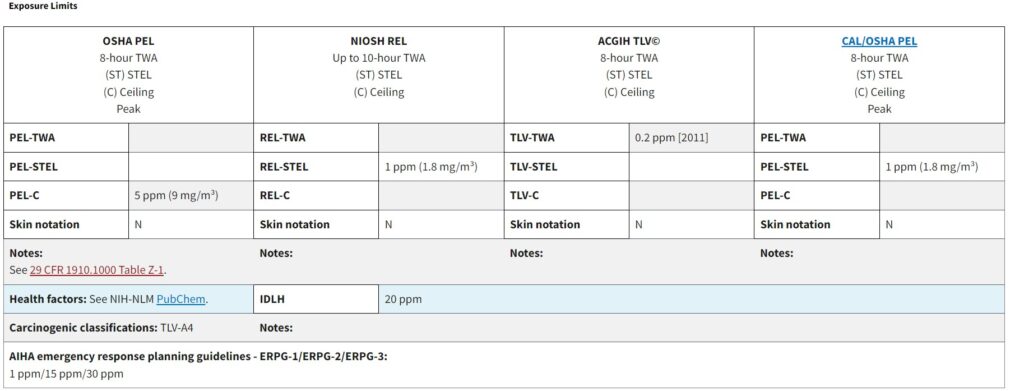
In the industrial environment, nitrogen dioxide (NO₂) has exposure limits set by OSHA that are as follows:.

Safety guidelines by OSHA for NO₂ Pollution

The EPA limit for Nitrogen Dioxide(NO₂) exposure is as follows:

The official level of the annual NO₂ standard is 0.053 ppm, equal to 53 ppb, which is shown here for the purpose of clearer comparison to the 1-hour standard.

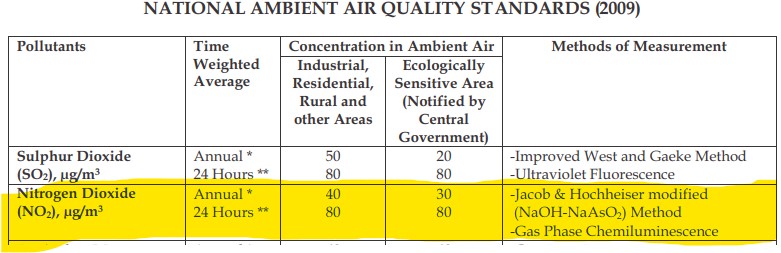
In India CPCB has set the norms for Nitrogen Dioxide(NO₂) exposure limits that are as follows:

NO₂ Pollution CPCB Standards
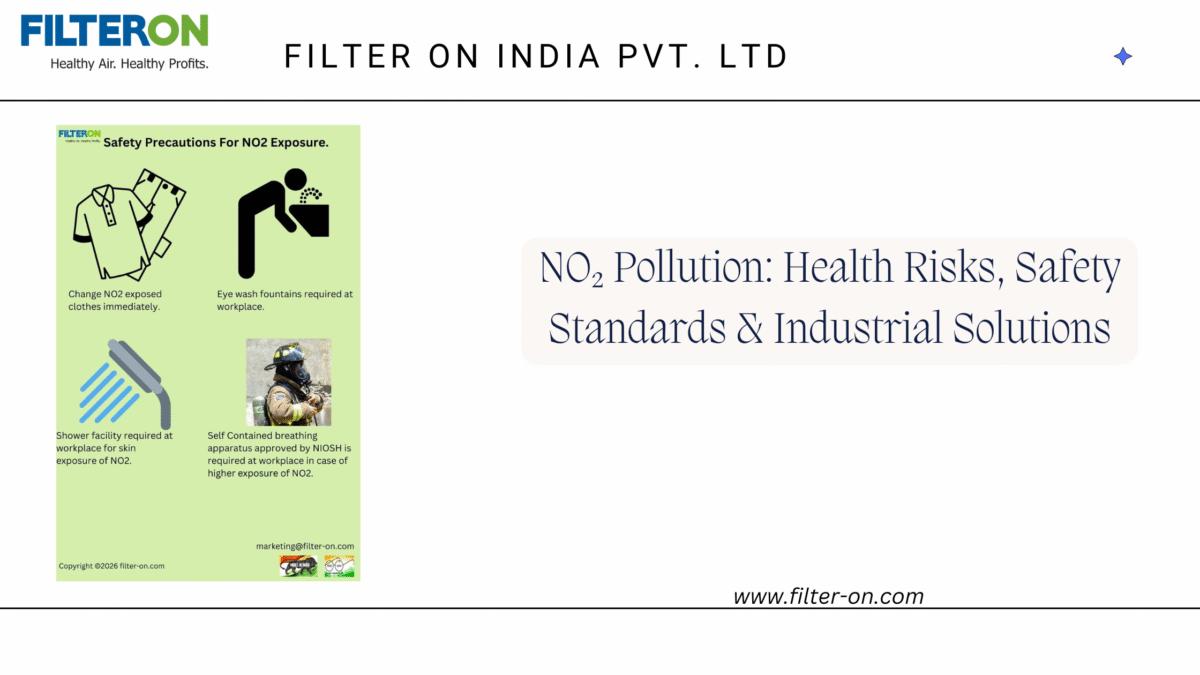
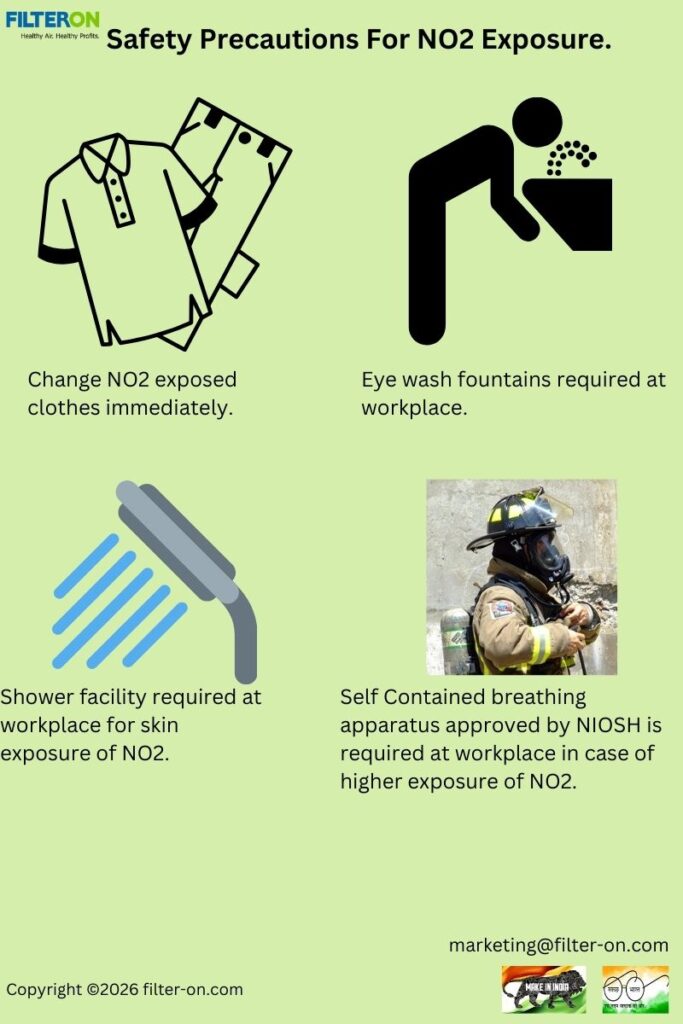
NO₂ Pollution Safety Precautions

How do I evaluate the exposure to nitrogen 

According to the New Jersey Department of Health and Senior Services fact sheet to evaluate exposure to nitrogen dioxide (NO2), here are some answers to the following questions:

  • How hazardous is the substance?
  • How much of the substance is released into the workplace?
  • Whether harmful skin or eye contact could occur?

Safety Precautions for Nitrogen Dioxide (NO₂) Exposure:

  1. Change the NO₂-exposed clothes immediately.
  2. Eye wash fountains are required at the workplace for emergency use.
  3. If skin exposure happens, then emergency shower facilities should be provided.
  4. In an emergency, if the exposure limit is 20 PPM or higher, then you must use strong self-breathing apparatus approved by NIOSH with a full face piece. 
Solutions for Nitrogen Dioxide (NO₂ Pollution) Exposure in Industries:

Nitrogen dioxide is harmful for industrial workers, especially welders, so industries need to take care and implement solutions to control exposure to nitrogen dioxide. The following solutions must be implemented:

Using extraction solutions:

Using extraction solutions like Filter on Welding Fumes Extraction Solutions will be very effective for reducing nitrogen dioxide (NO₂) exposure due to welding fumes. This reduces the concentration in the breathing zone of the welder effectively.

Using ventilation solutions:

Using ventilation solutions can reduce nitrogen dioxide (NO₂) exposure to some extent, so for the safety of welders, companies must take the necessary precautions for ventilation at the workplace. The ventilation facilities have to be arranged in such a way that the welders work in the supply air stream. Ventilation systems like local exhaust ventilation (LEV) are an effective solution in such scenarios. 

Using personal protective equipment:

If the room ventilation is not adequate in particularly confined spaces, then suitable breathing masks have to be worn. These should be independent from the atmosphere, such as, for example, fresh-air breathing apparatus. Welding helmets with a compressed air supply may also be necessary in confined spaces.

Other Solutions:

Companies should pay attention to certain procedural and workplace-specific factors to ensure that nitrous gasses are released in quantities that are as low as possible. These include, among others:

  • Always use smaller burner sizes and flame lengths.
  • Avoiding free-burning flames or
  • Always maintain a small distance between the burner and the workpiece.
  • Always use low-NOx burners in boilers.
  • Please set policies that reduce the use of diesel transportation.
  • Try to switch diesel fuel-burning vehicles to electric vehicles.
  • Encourage public transport, biking, and walking.
Visit  blogs to learn more about the critical features of clean air system design and air pollution control systems created by Filter On India.

Filter On India has been working towards “Mission Zero Pollution” for the last 40+ years as a clean air solutions partner for industries. We specialize and have expertise in welding fumes, oil mist, coolant mist, dust collection, soldering, laser marking, laser cutting, plasma cutting, fumes in fastener manufacturing, ball point tip manufacturing, oil quenching, kitchen fumes, etc. Filter On has 70+ clean air solutions, so you can contact us for more information about our solutions. You can reach us through the web or visit us at our corporate office at Pune, or mail us at : marketing@filter-on.com

Facebook
Twitter
LinkedIn
Categories
Blogs

Implementing Efficient Solutions: Safeguarding Your Workforce From Health Risks Due To Oil/Coolant Mist.

Implementing Efficient Solutions: Safeguarding Your Workforce From Health Risks Due To Oil/Coolant Mist.

Oil and coolant mist exposure in the industrial environment is a serious health concern for workers nowadays. Every industry working in the area of metalworking and machining has been involved in such an exposure environment. Through this article, we'll look at some effective solutions for protecting workers from health risks caused by oil or cooling mist.

What is an oil mist?

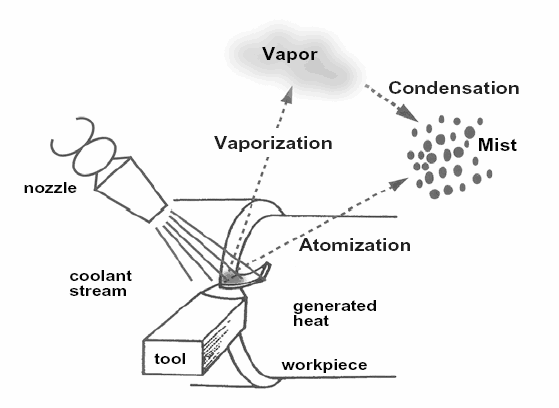
Oil mist is the drizzle, which is made of droplet particles above 1 mm in size. Oil mist is created when oil emissions are used as a lubricant during the machining of metals.

There are two main types of oil mist:
  • Water-based: easier to collect but harder to remove from the air.
  • Oil-based: harder to collect but easier to remove from the air.

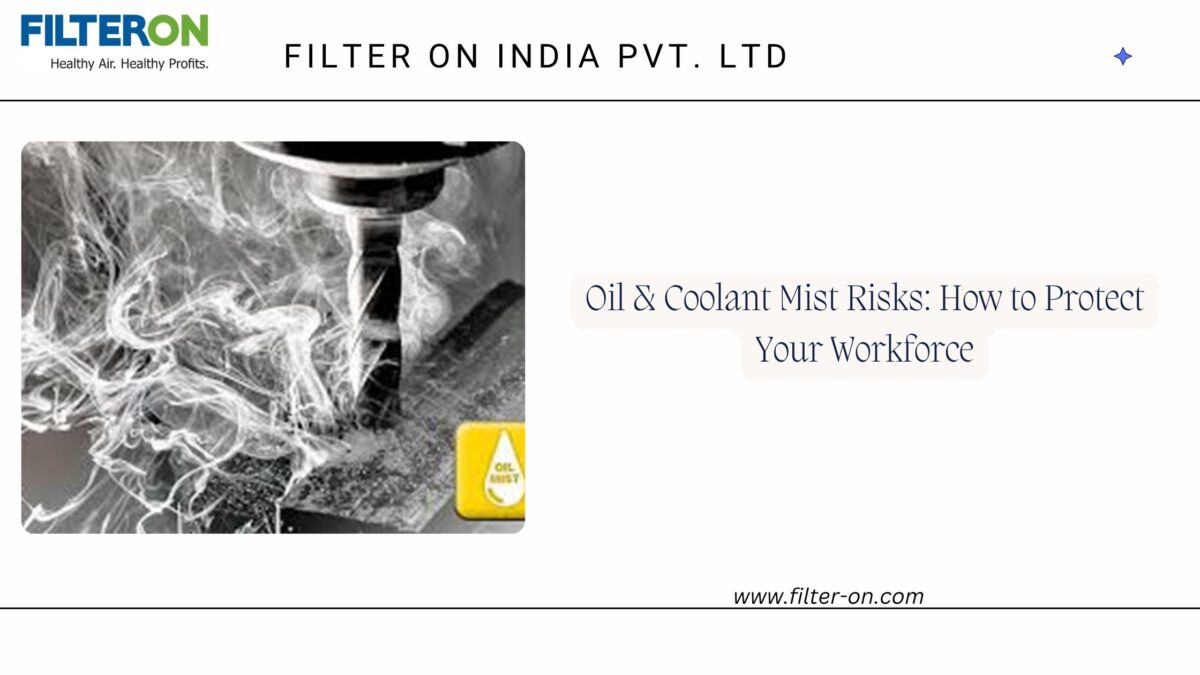
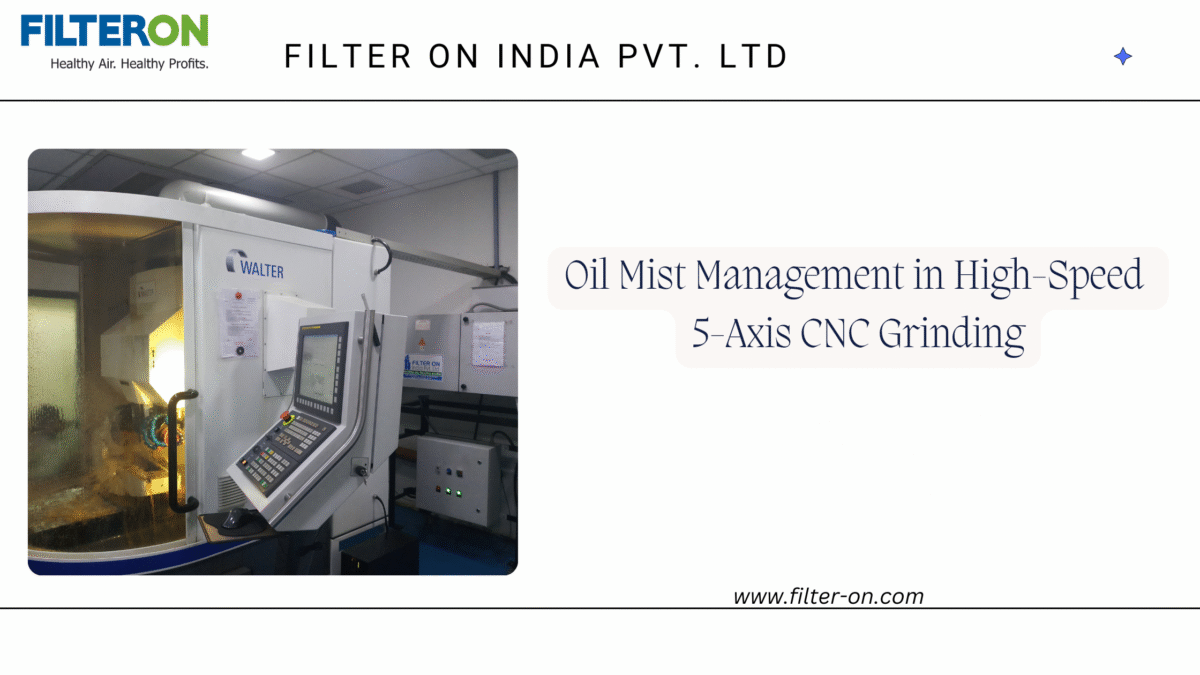
Oil Mist Illustrative Image

What is Coolant Mist?

Coolant mist is a mix of coolant and cold air. The coolant mist is used for spraying it on the cutting or machining operations of workpieces.

Types of Coolant Mist:

There are basically three types of coolant mist:

  • Soluble oils: This is a type of coolant mist that is a mixture of oil and water with special chemicals to be used as an emulsion.
  • Synthetic Fluids: This is an organic fluid originated from the synthesis of oils of animal, plant, or mineral origin.
  • Semisynthetic Fluids: It is a mix of conventional and synthetic fluids. It’s made by mixing synthetic and mineral fluids in a ratio of 25:75 to 35:65. The blend helps resist oxidation and withstand high temperatures. It also maintains the right viscosity at both high and low engine temperatures.

Health Effects of Oil Mist on Workers:

Machining oil mist is a common by-product of various industrial processes that involve metal cutting, grinding, and milling. This mist can pose a significant risk to human health if it is not properly controlled or handled. Exposure to machining oil mist can result in a variety of adverse health effects, ranging from minor irritations to serious respiratory problems and cancer.

Immediate Symptoms of Inhaling Oil Mist:

One of the most immediate effects of exposure to machining oil mist is irritation of the eyes, nose, and throat. This irritation can cause symptoms such as burning, itching, and watering of the eyes, as well as sneezing, coughing, and a sore throat. These symptoms may be short-lived, but they can still be uncomfortable and disruptive to work.

Major Effects of Oil Mist on Health:

In addition to these acute symptoms, prolonged exposure to machining oil mist can cause chronic respiratory problems. This mist can enter the lungs and cause inflammation, leading to conditions such as bronchitis and asthma. These conditions can cause difficulty breathing, wheezing, and coughing, making it harder for workers to perform their job duties.

Long-term exposure to machining oil mist has also been linked to an increased risk of lung cancer. The mist contains a variety of harmful chemicals, such as formaldehyde, benzene, and polycyclic aromatic hydrocarbons (PAHs), which are known carcinogens. These chemicals can accumulate in the lungs over time, increasing the risk of cancer.

According to a study and research report published in MDPI’s international journal of environmental research and public health, oil mist exposure can lead to reproductive effects in pregnant workers, which means heavy oil mist exposure can be the main reason behind birth defects and heart defects. You can read more about it here.

Factors Responsible for Exposure to Oil Mist:

The effects of machining oil mist exposure can vary depending on a number of factors, such as

  • The type and amount of mist
  • The duration
  • frequency of exposure,
  • The individual’s susceptibility to the chemicals in the mist

Some people may be more sensitive to these chemicals than others and may experience more severe symptoms or health effects.

How can we minimize the risks of oil mist exposure and prevent workers from getting it?

To minimize the risks associated with machining oil mist exposure, it is important to take appropriate precautions in the workplace.

  • Using ventilation systems to control the spread of mist,
  • wearing protective gear such as masks, goggles, and PPE.
  • implementing safe work practices to reduce exposure. 
  • Regular monitoring of air quality and worker health
  • Machining oil mist collectors plays an important role in protecting health as well as enhancing their productivity.

Why Oil Mist Collectors Are Important:

Machining oil mist collectors are essential tools in many industries where metal cutting and grinding are commonly performed. These devices are designed to capture and remove oil mist and other airborne contaminants from the workplace, improving air quality and protecting the health and safety of workers. There are several types of machining oil mist collectors available, each with its own strengths and weaknesses.

Types of oil/coolant mist collectors:

There are three types of technologies, i.e., mist collectors, available, namely:

  • Electrostatic precipitators(ESP)
  • centrifugal mist collector and
  • Media type filtration

Electrostatic precipitators (ESP)

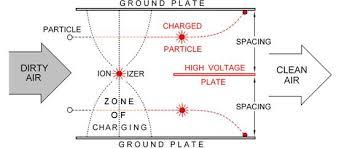
Working Principles Behind Electrostatic Oil Mist Collectors

Electrostatic oil mist collectors use a high-voltage electrical charge to ionize oil mist particles as they pass through the device. The charged particles are then attracted to a grounded collector plate, where they are deposited and removed from the air stream. The ionization process is highly effective at removing oil mist particles from the air, and the collected oil can be easily recovered for reuse or disposal.

Electrostatic oil mist collectors are highly effective devices used in industrial settings to remove oil mist and other airborne contaminants from the air. They work by using an electrostatic charge to attract and capture oil mist particles as they pass through the device. Electrostatic oil mist collectors offer several technical advantages and benefits compared to other types of mist collectors.

ESP Working for Oil and coolant mist
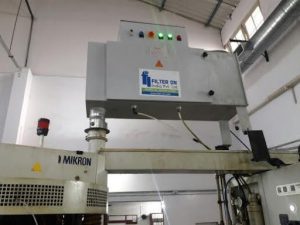
Ball Point Tips Making Fume and Mist Collection System

Technical Advantages of Electrostatic Oil Mist Collectors

High Efficiency

Electrostatic oil mist collectors are highly efficient at removing oil mist particles from the air, with efficiency rates of up to 99%. This makes them highly effective at maintaining a clean and safe working environment for employees.

Low Maintenance

Electrostatic oil mist collectors require minimal maintenance compared to other types of mist collectors. They do not require frequent filter changes or cleaning, and the collected oil can be easily recovered for reuse or disposal.

Energy Efficient

Electrostatic oil mist collectors are highly energy-efficient, requiring only a small amount of power to operate. This makes them cost-effective and environmentally friendly.

Space-Saving Design

Electrostatic oil mist collectors are typically compact in size and can be easily integrated into existing equipment or workspaces. This makes them ideal for use in small or crowded work environments.

Benefits of Electrostatic Oil Mist Collectors

Improved air quality

Electrostatic oil mist collectors help to improve air quality in the workplace by removing oil mist particles and other airborne contaminants. This can reduce the risk of respiratory problems and other health issues for employees.

Enhanced Safety

Removing oil mist particles from the air can also enhance workplace safety by reducing the risk of slips, falls, and other accidents caused by oily floors and surfaces.

Increased Productivity

A cleaner and safer working environment can help increase employee productivity by reducing absenteeism and improving morale.

Cost Savings

Electrostatic oil mist collectors can help reduce operating costs by minimizing the need for expensive replacement filters and reducing maintenance and cleaning costs.

Electrostatic oil mist collectors are highly efficient devices that offer several technical advantages and benefits compared to other types of mist collectors. They work by using an electrostatic charge to attract and capture oil mist particles from the air, and they require minimal maintenance and energy to operate. By using an electrostatic oil mist collector in your workplace, you can improve air quality, enhance safety, increase productivity, and reduce operating costs.

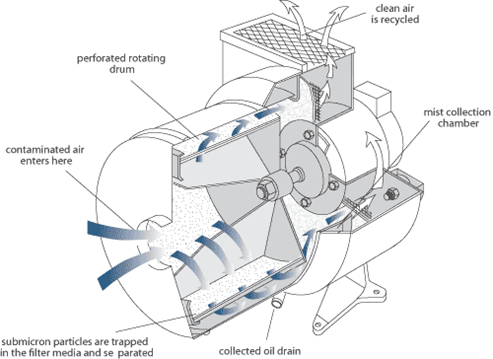
Centrifugal Working for oil and coolant mist
Coolant Mist Collector For HMC and VMC

Centrifugal Mist Collectors

Centrifugal mist collectors use centrifugal force to separate oil mist particles from the air stream. As the air enters the collector, it is spun at high speed, causing the oil mist particles to move to the outer edge of the device. The particles then collect on a series of baffles or vanes and are removed from the air stream. Centrifugal mist collectors are effective at removing oil mist, but they may require more maintenance than electrostatic precipitators.

Media-Type Filtration for oil and coolant mist
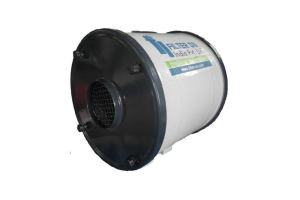
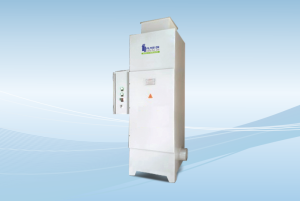
Filter ON ESP Solution for oil and coolant mist

Media Type: Filtration

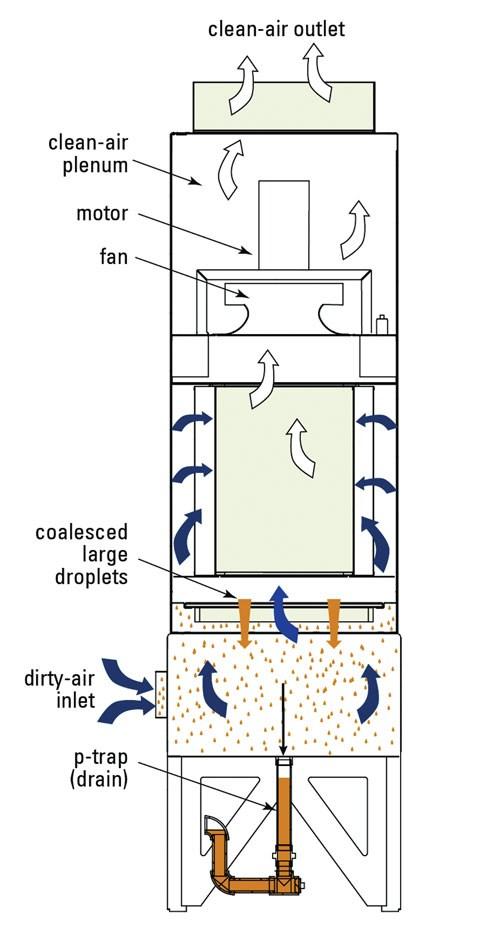
Media filtration involves passing air through a filter media that captures oil mist particles as they pass through. The filter media may be made of materials such as fiberglass or polyester, and it may be coated with an oil-absorbing material to improve its effectiveness. Media filtration is a common type of mist collection, and it is effective at removing oil mist particles, but it may require frequent filter replacement to maintain its effectiveness.

Government regulations on controlling oil mist exposure

The OSHA Occupational Safety and Health Administration has two permissible exposure limits (PELs) for air contaminants that apply to metalworking fluids (MWFs), i.e., oil and solvent mist:

  • Mineral oil mist: 5 milligrams per cubic meter (mg/m3) for an 8-hour, time-weighted average (TWA)

  • Particulates Not Otherwise Classified (PNOC): 15 mg/m3 for an 8-hour time-weighted average (TWA)

OSHA also requires vent lines at lubrication points to collect stray mist. You can see the different OSHA standards on this page. Click here to view them.

The Indian government’s Factory Act also follows these standards to control oil and coolant  mist exposures in India.

OSHA’s Best Practices to Control Oil/Coolant Mist Exposure:

OSHA has developed some best practices to control oil mist exposure; some of them are as follows:.

  • Obtain Safety Data Sheets (SDSs) from the supplier to know what precautions are recommended.

  • Choose MWFs with the least toxic materials when possible.

  • Maintain proper use of biocides.

  • Keep machines clean and change MWFs as necessary.

  • Use properly designed MWF delivery systems that minimize the amount of fluid mist generated.

You can view the other OSHA best practices by clicking here.

You can also refer to the OSHA best practice manual to understand the risks associated with exposure to oil or coolant mist. Click here to view it.

When do you require an oil/coolant mist collector for your organization?

Oil and solvent mist collectors are adding greater value to your entire machining work environment. They can be a very good asset for your company if you face the following three major problems:

  • The amount and exposure of oil or coolant mist are greater than the standard limits.

  • The affection rate percentage of mist to workers’ health is high.

  • The acceptance rate of production is higher than the average production.

Which is the right oil/coolant mist collector for your organization?

Choosing the right mist collector for your organization is an important task for you as they provide value to the entire work environment, so choosing the right mist collector involves the following factors:

  • Exposure to mist

  • Type of mist

  • Production area and types of machines used

  • Budget and future requirements

Filter On India can help you by carefully analyzing your exact requirements and giving you the proper guidance in choosing the right oil or mist collector for your organization

Visit  blogs to learn more about the critical features of clean air system design and air pollution control systems created by Filter On India.

Filter On India has been working towards “Mission Zero Pollution” for the last 40+ years as a clean air solutions partner for industries. We specialize and have expertise in welding fumes, oil mist, coolant mist, dust collection, soldering, laser marking, laser cutting, plasma cutting, fumes in fastener manufacturing, ball point tip manufacturing, oil quenching, kitchen fumes, etc. Filter On has 70+ clean air solutions, so you can contact us for more information about our solutions. You can reach us through the web or visit us at our corporate office at Pune, or mail us at : marketing@filter-on.com

Facebook
Twitter
LinkedIn