Categories
Blogs

Formaldehyde (HCHO or CH2O): Unraveling the Impact on Pollution, Health, Safety Limits, and Solutions

Formaldehyde (HCHO or CH2O): Unraveling the Impact on Pollution, Health, Safety Limits, and Solutions

In today's fast-paced world, air pollution is a major problem. Various pollutants are responsible for polluting the air; formaldehyde, i.e., CH20, is among them. So here in this article, we will focus on formaldehyde-CH20 as a pollutant, its exposure i.e. formaldehyde exposure, their health effects, safety limits, and effective solutions, all with respect to industrial air quality improvement.

What is formaldehyde-CH20?

Formaldehyde Exposure Explained

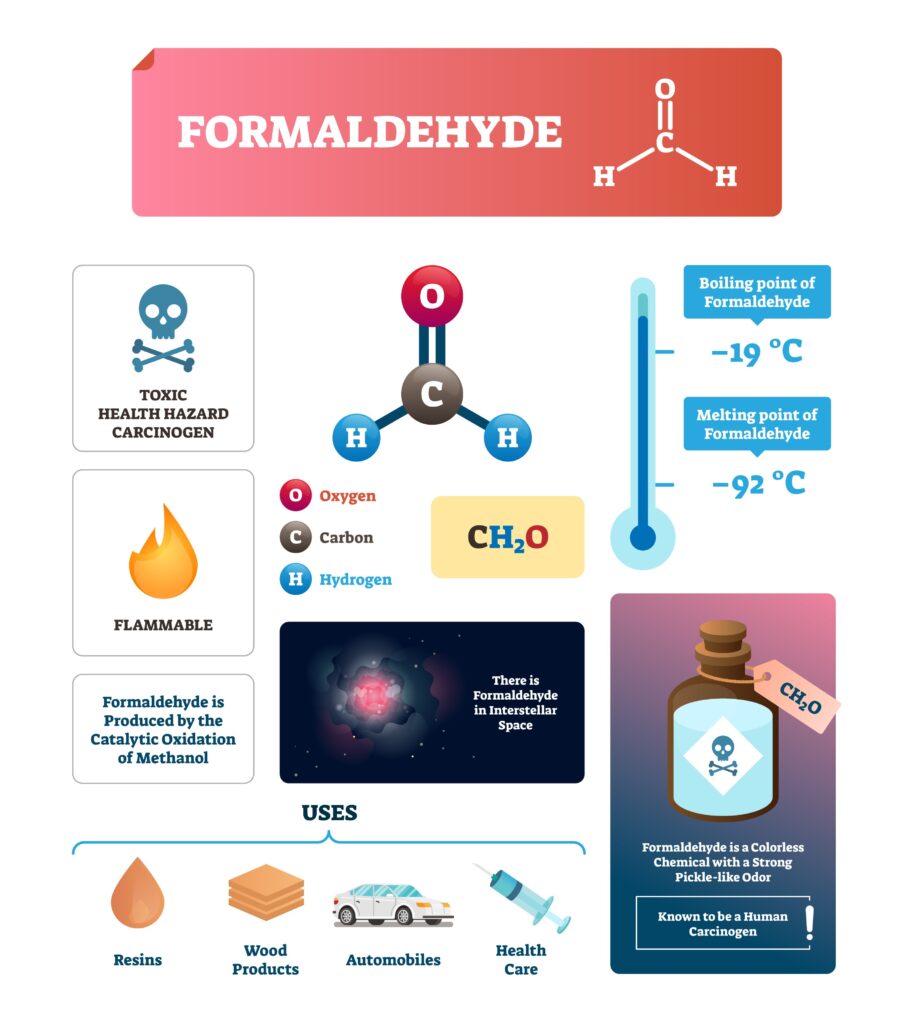
Formaldehyde is a naturally occurring organic compound with the molecular formula HCHO or CH2O or in common names methanal. It is made up of two hydrogen molecules, a single carbon molecule, and a single oxygen molecule.

Uses of formaldehyde:

Formaldehyde is used mainly to produce resins used in particleboard products and as an intermediate in the synthesis of other chemicals. Formaldehyde is used in many industries, such as glues and resins, dyes, textiles, disinfectants, building materials, automobile parts, embalming, and laboratories.

Sources of formaldehyde exposure:

According to inchem.org, here are the sources of formaldehyde:

Natural sources

Formaldehyde occurs naturally in the environment and is the product of many natural processes. It is released during biomass combustion, such as in forest and brush fires (Howard, 1989; Reinhardt, 1991). In water, it is also formed by the irradiation of humic substances by sunlight (Kieber et al., 1990).

As a metabolic intermediate, formaldehyde is present at low levels in most living organisms. It is emitted by bacteria, algae, plankton, and vegetation.

Anthropogenic sources

Anthropogenic sources of formaldehyde include direct sources such as fuel combustion, industrial on-site uses, and off-gassing from building materials and consumer products.

Industrial releases of formaldehyde can occur at any stage during the production, use, storage, transport, or disposal of products with residual formaldehyde. Formaldehyde has been detected in emissions from chemical manufacturing plants. Formaldehyde has been detected in the off-gassing of formaldehyde products such as wood panels, latex paints, new carpets, textile products, and resins. While emission rates have been estimated for some of these sources, there is insufficient data to estimate total releases. In some countries, there have been regulatory and voluntary initiatives to control emissions from building materials and furnishings, since these are recognized as the major sources of elevated concentrations of formaldehyde in indoor air.

People are exposed primarily by inhaling formaldehyde gas or vapor from the air or by absorbing liquids containing formaldehyde through the skin. Workers who produce formaldehyde or products that contain formaldehyde—as well as laboratory technicians, certain health care professionals, and mortuary employees—may be exposed to higher levels of formaldehyde than people in the general population.

The general public may be exposed to formaldehyde by breathing contaminated air from sources such as pressed-wood products, tobacco smoke, and automobile tailpipe emissions. Another potential source of exposure to formaldehyde is the use of unvented fuel-burning appliances, such as gas stoves, wood-burning stoves, and kerosene heaters.

Some examples of workers at risk of being exposed to formaldehyde include the following:

  • Agricultural workers who work in confinement livestock production
  • Construction workers who work with resin-manufactured products
  • Workers who manufacture plastics, resins, and foam insulation
  • Morticians in the embalming process
  • Beauticians who apply dyes and smoothing products

Health Impacts of Formaldehyde Exposure on Workers:

Formaldehyde Exposure Health Impacts on workers

There are various health concerns for workers due to formaldehyde inhalation.

As per EPA documentation, the following health impacts have been found due to exposure to formaldehyde:

Acute Effects:

The major toxic effects caused by acute formaldehyde exposure via inhalation are eye, nose, and throat irritation and effects on the nasal cavity. Other effects seen from exposure to high levels of formaldehyde in humans are coughing, wheezing, chest pains, and bronchitis. Ingestion exposure to formaldehyde in humans has resulted in corrosion of the gastrointestinal tract, inflammation, and ulceration of the mouth, esophagus, and stomach.

Chronic Effects (Noncancer):

Chronic exposure to formaldehyde by inhalation in humans has been associated with respiratory symptoms and eye, nose, and throat irritation.

Repeated contact with liquid solutions of formaldehyde has resulted in skin irritation and allergic contact dermatitis in humans.

Reproductive/Developmental Effects:

An increased incidence of menstrual disorders was observed in female workers using urea-formaldehyde resins. However, possible confounding factors were not evaluated in this study. (1,2) A study of hospital equipment sterilization workers did not report an association between formaldehyde exposure and increased spontaneous abortions.

Developmental effects, such as birth defects, have not been observed in animal studies with formaldehyde.

Cancer Risk:

Occupational studies have noted statistically significant associations between exposure to formaldehyde and an increased incidence of lung and nasopharyngeal cancer. This evidence is considered “limited” rather than “sufficient” due to possible exposure to other agents that may have contributed to the excess cancer.

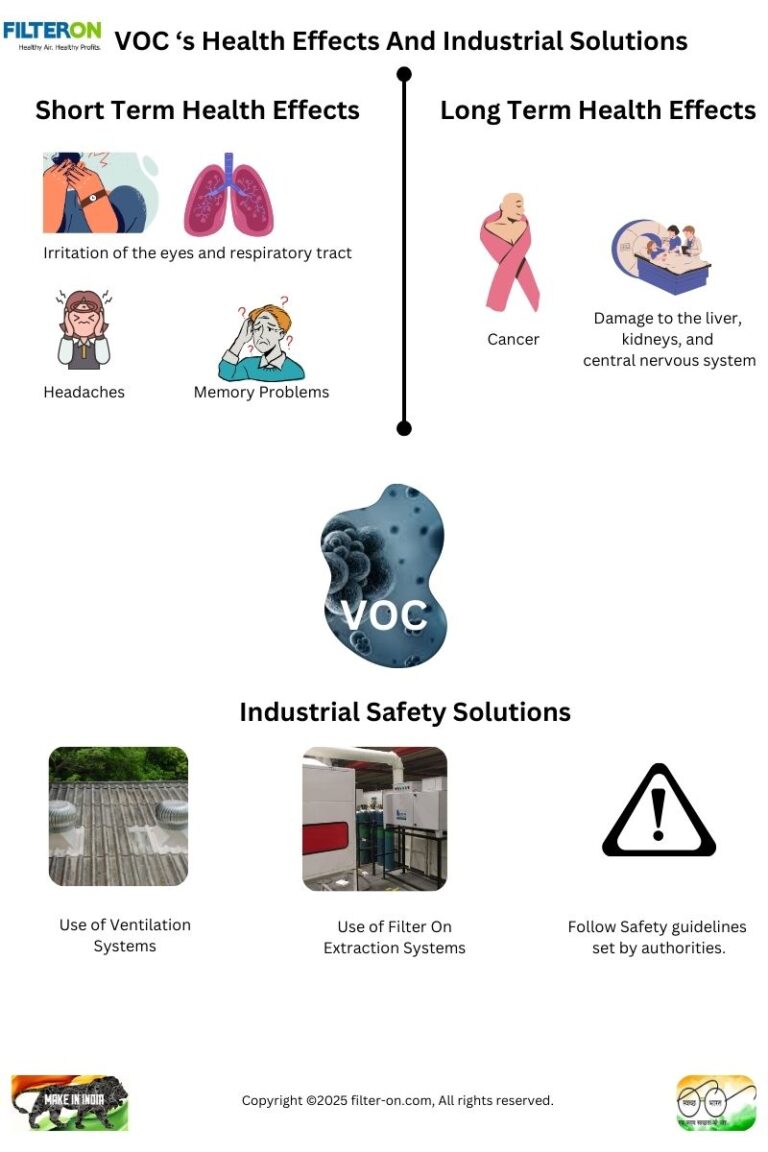
In short, formaldehyde is responsible for the following health effects on workers (Categorization of Health Effects):

Short-term:
Exposure to breathing formaldehyde can cause:

  • Irritation of the nose, eyes, and throat
  • Neurological effects
  • Headache
  • Nausea
  • Increased risk of asthma and allergies

Skin contact with formaldehyde can cause:

  • Skin irritation and eczema

Swallowing formaldehyde can cause:

  • Gastrointestinal irritation

Long-term:

Long-term exposure to formaldehyde can cause:

    • Cancer
    • Bronchitis
    • Shortness of breath
Safety Limits and Precautions for Formaldehyde Exposure:
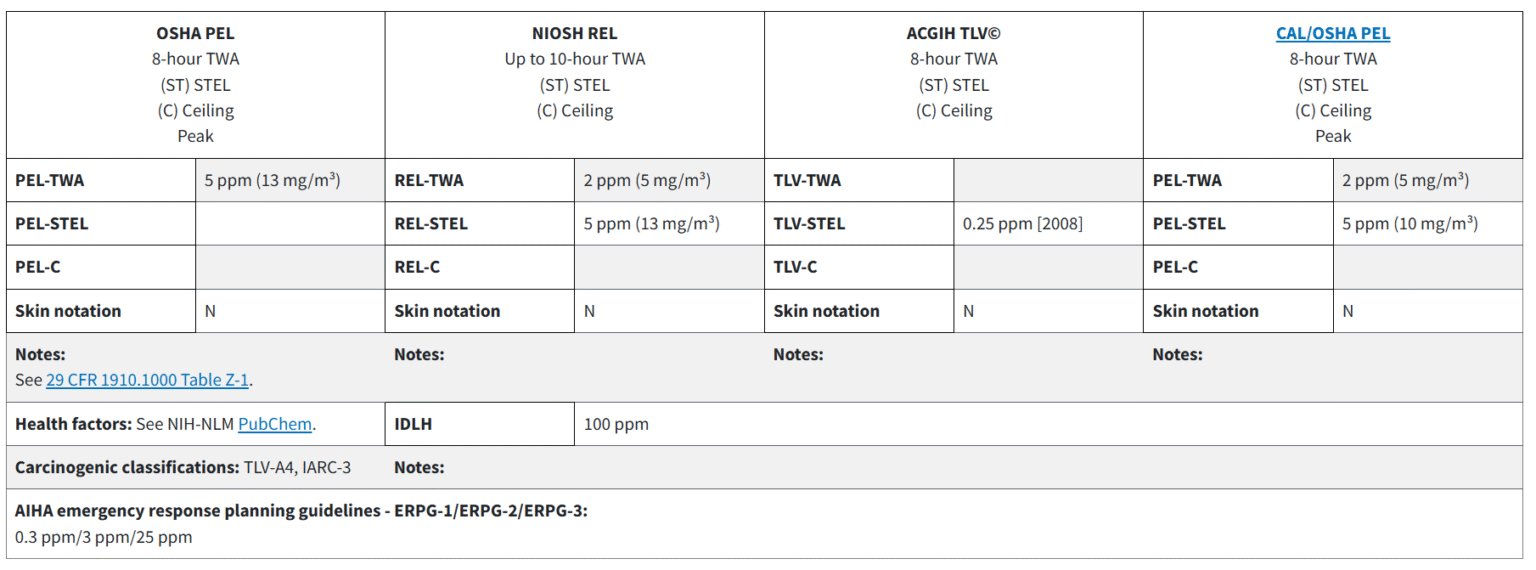
As per OSHA Standards, here are the precautions and safety measures that should be taken by the employer to control exposure to formaldehyde:
  • Airborne concentrations of formaldehyde above 0.1 ppm can cause irritation of the respiratory tract. The severity of irritation intensifies as concentrations increase. Provisions of the OSHA standard require employers to do the following: • Identify all workers who may be exposed to formaldehyde at or above the action level or STEL through initial monitoring and determine their exposure.
  • Reassign workers who suffer significant adverse effects from formaldehyde exposure to jobs with significantly less or no exposure until their condition improves. Reassignment may continue for up to 6 months until the worker is determined to be able to return to the original job or to be unable to return to work, whichever comes first.
  • Implement feasible engineering and work practice controls to reduce and maintain worker exposure to formaldehyde at or below the 8-hour TWA and the STEL. If these controls cannot reduce exposure to or below the PELs, employers must provide workers with respirators.
  • Label all mixtures or solutions composed of more than 0.1 percent formaldehyde and materials capable of releasing formaldehyde into the air at concentrations reaching or exceeding 0.1 ppm. For all materials capable of releasing formaldehyde at levels above 0.5 ppm during normal use, the label must contain the words “potential cancer hazard.”
  • Train all workers exposed to formaldehyde concentrations of 0.1 ppm or greater at the time of the initial job assignment and whenever a new exposure to formaldehyde is introduced into the work area. Repeat training annually.
  • Select, provide, and maintain appropriate personal protective equipment (PPE). Ensure that workers use PPE such as impervious clothing gloves, aprons, and chemical splash goggles to prevent skin and eye contact with formaldehyde.
  • Provide showers and eyewash stations if splashing is likely.
  • Provide medical surveillance for all workers exposed to formaldehyde at concentrations at or above the action level or exceeding the STEL, for those who develop signs and symptoms of overexposure, and for all workers exposed to formaldehyde in emergencies.
Recordkeeping Requirements
  • Employers are required to do the following regarding worker exposure records:
  • Retain exposure records for 30 years. 
  • Retain medical records for 30 years after employment ends.
  • Allow access to medical and exposure records for current and former workers or their designated representatives upon request.
Solutions to Formaldehyde Exposure:

Here are some solutions for controlling the exposure to formaldehyde.

  • Use ventilation systems: In industries where formaldehyde exposure is greater, using ventilation measures to control formaldehyde exposure is a must. Using ventilation systems like Local Exhaust Ventilation (LEV) can reduce exposure to formaldehyde very well.
  • Follow government guidelines:  Following government guidelines is the best way to protect workers and the industrial environment from heavy penalties. Time-to-time checking of harmful pollutants by tests like Filter On India’s Air Quality Mapping Test Service can show you the exact exposure of formaldehyde and other pollutants and exposure levels.
  • Use of Air Pollution Control Systems: Using air pollution control systems like welding fume extractors, oil mist collectors, and dust collection solutions from Filter On India can reduce exposure to various pollutants, such as formaldehyde, to a great extent.
Visit  blogs to learn more about the critical features of clean air system design and air pollution control systems created by Filter On India.
Filter On India has been working towards “Mission Zero Pollution” for the last 40+ years as a clean air solutions partner for industries. We specialize and have expertise in welding fumes, oil mist, coolant mist, dust collection, soldering, laser marking, laser cutting, plasma cutting, fumes in fastener manufacturing, ball point tip manufacturing, oil quenching, kitchen fumes, etc. Filter On has 70+ clean air solutions, so you can contact us for more information about our solutions. You can reach us through the web or visit us at our corporate office at Pune, or mail us at : marketing@filter-on.com

Facebook
Twitter
LinkedIn
Categories
Blogs

Clearing the Air: Strategic Approaches to Industrial Fume Management in the Modern Era.

Clearing the Air: Strategic Approaches to Industrial Fume Management in the Modern Era.

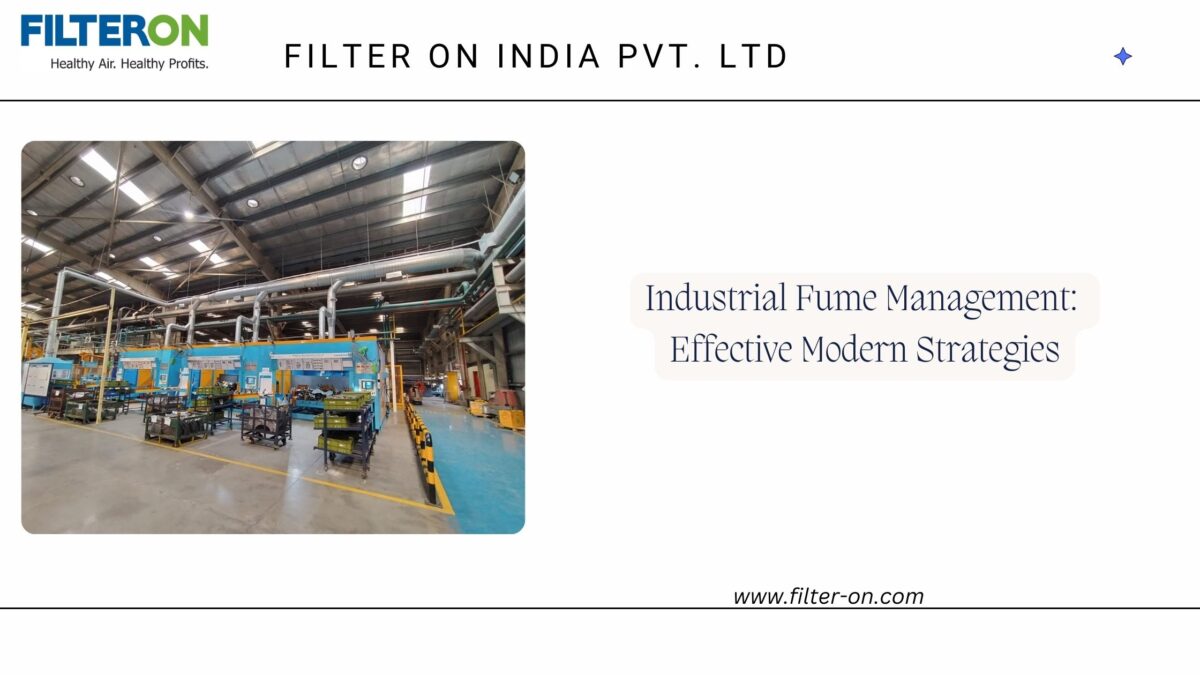
Air pollution (indoors as well as outdoors) has become a great concern for all of human society in recent years. The impact of air pollution ranges from the loss of man-hours in industries to serious threats to the health of human beings and their next generations. Companies looking to improve air quality often turn to Industrial Fume Management: Effective Modern Strategies to guide their safety protocols. This article attempts to explore the aspect of "fumes," which is the most common face of air pollution, its impact on industries and people, and how we can manage the fumes.

What Fumes Are and Why Industrial Fume Management: Effective Modern Strategies Matter

Fumes are aggregates of very fine particles, gas, smoke, mist, vapor of organic or inorganic substances, etc. Since most of the contents of the fumes are very light, fumes remain suspended in the air, we can say fumes are always airborne. In this article, we will study more specifically the fumes generated during various manufacturing processes in industries.

Sources of Fumes

Most of the commonly used manufacturing processes generate some or other forms of fumes / mist / smoke / dusts. Some specific examples – Fumes generated in heat treatment processes like oil quenching, induction heating, and melting process manufacturing processes generate some form of fumes, mist, smoke, or dust. Some specific examples Welding Fumes, Oil, coolant mist, and fumes generated in machining operations Dust and fumes generated in plasma cutting. Fumes generated in the casting and forging industries Acidic fumes generated in plating and pickling processes Dust and fumes generated in dry grinding operations Fumes generated in brazing and soldering And many more such operations.

Industrial Fume Management is important because fumes impact on industries, people and machinery

Impact of Fumes on Industries

The fumes affect every asset of the industry, i.e., man, machine, materials, and image. That’s why managing fumes is becoming more important day by day. Industrial air quality is greatly affected by various types of pollutants, so to learn more about indoor air quality in industries and how to improve indoor air quality to safeguard your workforce, you can read about it here.

Rejections or time lost in production.

In certain industries like food and drugs etc., the fumes can cause rejection of the whole batch of production because it directly affects the product.

Impact of Fumes on People

The presence of fumes beyond certain limits in the work environment can cause various ill-effects, such as increased absenteeism, a lack of concentration on the job, high physical and psychological fatigue, and low morale at the workplace. All this adds up to reduced productivity. Also, many times companies find it difficult to attract and retain employees in certain affected areas.

The fumes affect the individuals in a much more serious way. The people may suffer from short-term disorders such as eye irritation, feeling of nausea, difficulty in respiration, cough, indigestion, etc. However, unfortunately, many times these are neglected. Prolonged exposures may lead to the development of some fatal diseases like asthma, tuberculosis, bronchitis, fibrosis, lung cancer, etc. Certain ingredients in fumes are such that they affect kidney and heart functioning. Since all these impacts are very gradual in nature, they are therefore extremely dangerous. The diseases or disorders are detected very late in many cases. The pollutants in fumes thus act as a slow poison and, therefore, need to be managed properly.

The impact of fumes on workers in an industry is huge. For example, when there are various welding stations in an industry, the fume rate due to welding is very high, so how do we know exactly how much of the impact of welding fumes is on workers? Please read more about it here.

The impact of fumes generated by oil or coolant mist is huge on people working in an industrial environment. They have suffered various symptoms, which are discussed above, so to know more about how you can minimize the exposure and prevent your workers from getting oil or cooling mists, you can refer to our article about it here.

Certain fumes can be corrosive in nature like acidic fumes and can damage the materials. This is a direct loss to the industry. Also in some highly corrosive environments, the fumes even affect the structures and can cause a safety hazard.

Deposition of fumes & dust on sensitive electronic circuit boards, components can cause malfunctioning of the controls and can cost an industry in crores on account of rejected products.

Impact on Image & Client perception –

The presence of fumes, dust etc in the work environment in an industry sends negative signals to the clients visiting the facility for assessments or inspections. It creates an impression that the company is not very serious about employee health, safety and environmental issues. 

The above discussion shows how the fumes affect an industry from various dimensions and the industry cannot afford to ignore or sideline the said subject.

Industrial Fume Management: A Roadmap for Managing Fumes and Air Pollution

Managing fumes and reducing their impact is a continuous and ongoing activity since many processes keep adding to the industry. Thus, this exercise should be integrated into the management process, just like cost-cutting, quality improvement, etc.

Managing Fumes Project Process for Industrial Fume Management

A suggested model process is shown above, which will provide an organization with a platform for managing air pollution problems effectively and on a long-term basis.

Remember that managing air pollution, or fumes, is not a one-time exercise.

Managing Fumes: Implementing Data-Driven Monitoring for Safer Work Environments

Adopting Industrial Fume Management: Effective Modern Strategies helps facilities reduce emissions while protecting worker health.

It involves two different and equally important aspects: 

  1. Capture of fumes
  2. Processing or Filtration of Fumes

Capture of fumes

The capture of fumes involves a capturing arrangement, generally a suction hood connected to a blower through ducting. The blower capacity is designed as per the suction hood dimensions, its distance from the generation point, and the type of fumes to be captured.

 The design of the suction hood and the proper capacity of the blower are two of the most critical aspects of the success of any fume extraction system. This is because unless the fumes are captured efficiently, they cannot be treated, and in the absence of effective capture, fumes will escape the suction hood and spread all over the environment, making the fume extraction system ineffective.

 As far as possible, the application from which fumes are generated should be provided with an enclosure. This will reduce the air flow required to capture the fumes and thus optimize the size of such a system. E.g., a welding table can be provided with an enclosure from three sides and a canopy hood on the top.

 Important Point: The design of the suction hood and the selection of a proper-capacity blower have a direct bearing on the effectiveness of the fume extraction system. So it makes sense to spend more time analyzing different designs and options

Some of the typical suction hood designs and related air flow requirements are shown in the attached table 2 below for illustration.

Exhaust volume calculation for Industrial Fume Management

Processing or Filtration of Fumes

It involves the separation of the hazardous contents of the fumes, like dust particles, oil mist, etc., from the air so that the resulting air is safe to discharge into the environment. There are many different methods of filtration of the fumes, like polyester filters, electrostatic filters, scrubbers, etc., depending on the type of fumes, concentration of fumes, etc

Some of the types of filters and their most common applications are given below:

Industrial Fume Management-Types of Filters & Applications

All the above systems have different efficiency levels for different particle sizes, different pressure drop values and different durability, life etc. So different types of filters are used for different types of fumes. Selection of proper filter for proper application thus becomes equally critical factor in success of fumes extraction system. Many manufacturing plants rely on Industrial Fume Management: Effective Modern Strategies to stay compliant with environmental regulations.

Fume Extraction System Design:

This involves the suction hood design, filter system selection, ducting design, and capacity selection of the blower. All these designs and selections have to be properly integrated for an effective fume extraction system. If there is any error in any one of the above, then the performance of the whole system may suffer. E.g., even if the filtration system is properly selected and the suction hood is properly designed, the system may not develop proper air flow if the static pressure of the blower is not sufficient to overcome pressure losses in the total system. Also, many times it is experienced that just a change in ducting results in the system becoming ineffective just because the new ducting is not properly designed.

Conclusion –

Environments of all types affect the industry in more than one way and cause significant hidden as well as visible damage. Managing the fumes thus becomes very important for safeguarding the industries from various ill-effects. The process of identification of sources, prioritization, planning, implementation, and checking will ensure consistency in reducing the impact of air pollution. For implementing effective fume extraction systems, all aspects, i.e., design of the suction hood, selection of a proper filtration system, ducting design, and blower capacity calculation, are equally important and need to be balanced as per the applications. so its very important for  maintenance engineers increasingly reference Industrial Fume Management: Effective Modern Strategies when designing advanced ventilation systems, because the report on Industrial Fume Management: Effective Modern Strategies highlights new technologies that enhance workplace safety.


Visit  blogs to learn more about the critical features of clean air system design and air pollution control systems created by Filter On India.
Filter On India has been working towards “Mission Zero Pollution” for the last 40+ years as a clean air solutions partner for industries. We specialize and have expertise in welding fumes, oil mist, coolant mist, dust collection, soldering, laser marking, laser cutting, plasma cutting, fumes in fastener manufacturing, ball point tip manufacturing, oil quenching, kitchen fumes, etc. Filter On has 70+ clean air solutions, so you can contact us for more information about our solutions. You can reach us through the web or visit us at our corporate office at Pune, or mail us at : marketing@filter-on.com

Facebook
Twitter
LinkedIn
Categories
Blogs

Robotic Welding Fume Extraction Systems: How They Work & Why They Matter

Robotic Welding Fume Extraction Systems: How They Work & Why They Matter

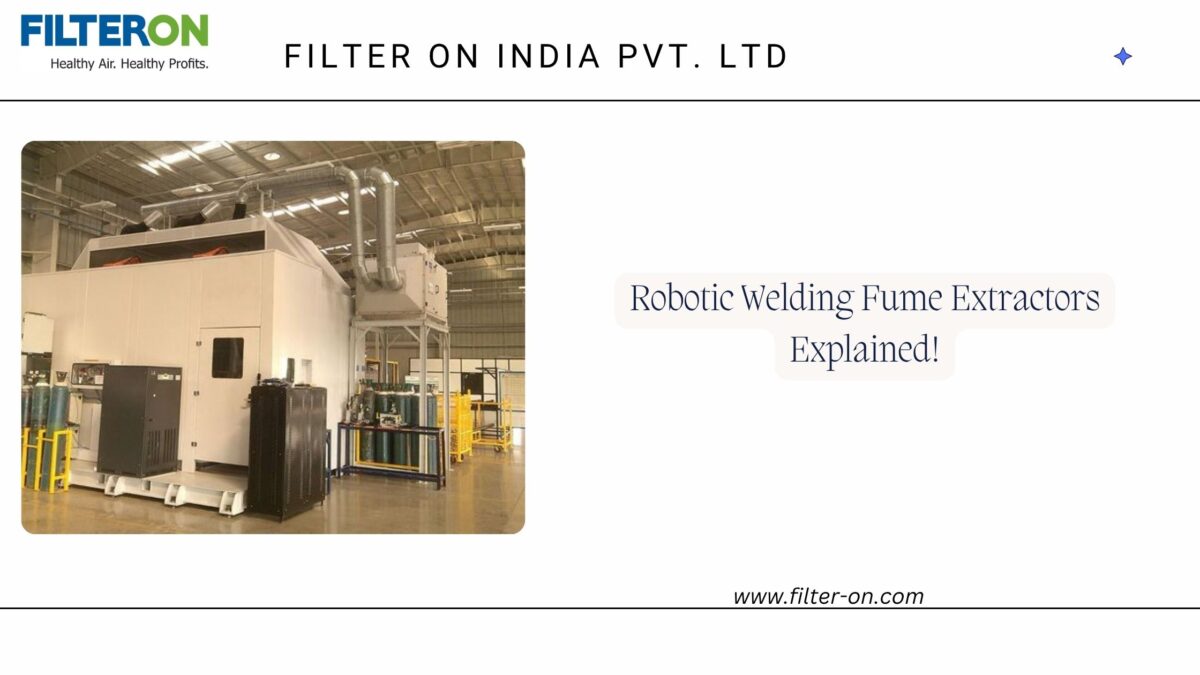
Robotic welding fume extractors are essential components of modern manufacturing. Robotic welding fumes are extremely hazardous for workers in industries such as automotive components and material handling, where automated welding lines are common.

Since these welding lines operate continuously, it is crucial to mitigate the risks and protect workers. In this blog post, we’ll discuss how robotic welding fume extractors work, why they’re important for maintaining clean air in industrial environments, and how Filter ON can help.

Let’s get started!

Introduction to Robotic Welding Fumes

Robotic welding fumes vary in composition and can seriously harm workers who operate or maintain robotic welding cells. These fumes contain pollutants such as PM2.5 and PM10, which are dangerous when inhaled over time.

How robotic welding fumes generated?

Robotic Welding fumes are generated rapidly you can check and see in this below video for clarification, This shows how robotic welding fumes are generated

Potential Danger Due to Robotic Welding fumes:

In industrial workplaces, inadequate air filtration and fume extraction pose significant health risks, including respiratory diseases and chronic illnesses. Workers exposed to fumes without proper systems, like a Robotic welding fume extractor, are vulnerable to conditions such as bronchitis and cancer, which negatively affect their morale and well-being. Poor air quality can also lead to discomfort, decreased concentration, and productivity loss. Furthermore, industrial fumes can damage equipment, increase maintenance costs, and trigger non-compliance with health regulations, which impairs a company's reputation and environmental responsibility. Effective solutions like Robotic welding fume extractors are essential for maintaining air quality and ensuring worker safety. Learn more about potential danger due to Robotic Welding Fumes in our Comprehensive Guide to Industrial Air Filtration.

Even though robotic welding is automated, it continuously generates fumes.

    • Robots work without breaks, so fumes accumulate rapidly.
    • Welding cells whether open or closed allow fumes to spread quickly. In open setups, they can contaminate the entire workspace.
    • Without proper filtration or exhaust systems, air quality deteriorates, productivity drops, and workers’ health suffers.

How Does a Robotic Welding Fume Extraction System Work?

Robotic fume extractors operate based on the volume of generated fumes and the rate of clean air output. Two main extraction methods are used:

1. Source Capture Method

In this method, a suction arm captures fumes directly from the welding source.
Portable extraction systems are ideal for large welding jobs where welders move around frequently.

2. Ambient Extraction Method

Here, stationary fume extraction systems with canopies, hoods, and ducting are used. They capture fumes from the entire robotic welding cell and filter them through a central system.

Common Pollutants in Robotic  Welding Extractions

Robotic welding fumes contain various pollutants such as metal fumes, ozone, and gases.

  • Metal Fumes: These include fine particles (PM2.5 and PM10) that are highly hazardous to human health. Robotic welding fume extractors are essential to remove them.
  • Ozone and Other Gases: Ozone and other gases formed during welding can cause eye irritation and respiratory problems. Fume extraction is necessary to remove these as well.

Learn more about industrial pollutants in our Comprehensive Guide to Industrial Air Filtration.

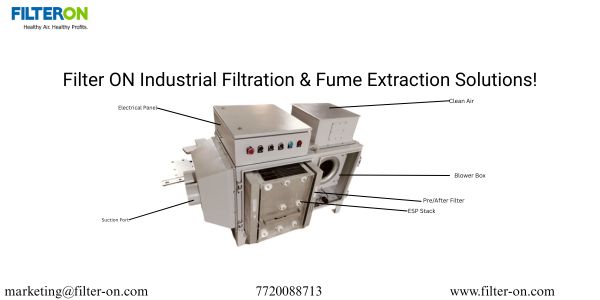
Key Components of a Robotic Fume Extraction System

A robotic fume extraction setup typically includes:

  • Clean air system (ESP system)

  • Filters

  • Hoods and canopies

  • Ducts

  • Blower unit

  • Electrical panel

Robotic Welding Fume Extractors Explained.

Hoods and Canopies

These structures capture fumes precisely to prevent exposure and health risks.

Ducting

Carries fumes from the welding area to the filtration system.

Filters

The most critical component — filters remove harmful smoke and fine particles.

Suction Hood

Draws in fumes using a blower motor. The size depends on the type of welding machine or setup.

Blower or Motor

Generates the suction force required for fume capture.

Electrical Panel

Controls and monitors the extraction system.

ESP Stacks

Electrostatic Precipitator (ESP) stacks use ionization to capture and remove fine particles efficiently.

Role of Electrostatic Precipitators (ESP) in Robotic Welding Fume Extraction:

An ESP filtration system cleans air containing welding fumes, smoke, and fine dust.

How it works:

  1. Fume Collection: Polluted air is drawn from the robotic welding cell.

  2. Electrostatic Charging: The air passes through an electrostatic field, charging the particles.

  3. Particle Removal: Charged particles adhere to oppositely charged plates, removing even submicron particles (as small as 0.01 µm).

  4. Clean Air Output: Fresh air is released back into the workshop or outside.

  5. Easy Maintenance: Washable metallic filters mean no frequent replacements and low operating costs.

  6. Efficiency: ESPs are highly effective and maintain a clean, safe working environment.

Benefits of Robotic Welding Fume Extraction:

  1. Improved Air Quality & Worker Safety
    Clean air reduces breathing problems, eye irritation, and other health risks improving overall productivity.
  2. Better Equipment Performance & Reduced Downtime
    Washable ESP filters reduce maintenance needs, keeping systems running smoothly.
  3. Compliance with Safety Standards
    Systems must comply with OSHA and CPCB standards.
    Read more about Fume Extraction Standards & Regulations

Choosing the Right Extraction System

Selecting the right extraction system ensures worker safety and operational efficiency. Consider:

  • Air Volume: Determines the size and capacity of the system.
  • Robot Layout: Open or closed cell designs require different solutions.
  • Type of Welding: MIG, TIG, laser, or plasma welding all produce different fume levels.

Centralized vs. Individual Extraction Units

  • Centralized Systems: Ideal for large plants with multiple robotic welding cells.
  • Individual Units: Offer flexibility and source-level fume capture.

Smart Controls and Automation Integration

Modern fume extraction systems feature smart controls, such as remote monitoring, automatic shutoff, and real-time alerts. Ensure these features are considered when selecting your system.

Filter ON’s Solutions for Robotic Welding

Filter ON is a leading Indian provider of industrial air filtration and fume extraction systems, working toward “Mission Zero Pollution” for over 40 years.

We offer over 70 clean air solutions across welding, oil mist, dust collection, and kitchen scrubber applications. For robotic welding, they provide both individual and centralized ESP-based systems.

Why ESP-Based Systems Are Ideal for Robotic Welding

Compared to cartridge filters, ESP systems offer major advantages:

  • Zero filter replacement cost
  • Lower power consumption
  • Higher filtration efficiency
  • Washable filters for long-term use

Filter ON’s ESP-based systems deliver proven results for both individual and centralized setups.

Custom Design and After-Sales Support

Every plant has unique requirements. Filter ON provides custom-designed solutions backed by decades of experience and strong after-sales support, ensuring reliable system performance.

Conclusion

ESP-based robotic welding fume extractors offer high efficiency, low maintenance, and long-term value. With over 40 years of expertise, Filter ON continues to deliver innovative, customized, and sustainable clean air solutions for industries across India.

Contact Filter ON at marketing@filter-on.com to design a robotic welding fume extraction system customized for your factory setup.

Visit  blogs to learn more about the critical features of clean air system design and air pollution control systems created by Filter On India.
Filter On India has been working towards “Mission Zero Pollution” for the last 40+ years as a clean air solutions partner for industries. We specialize and have expertise in welding fumes, oil mist, coolant mist, dust collection, soldering, laser marking, laser cutting, plasma cutting, fumes in fastener manufacturing, ball point tip manufacturing, oil quenching, kitchen fumes, etc. Filter On has 70+ clean air solutions, so you can contact us for more information about our solutions. You can reach us through the web or visit us at our corporate office at Pune, or mail us at : marketing@filter-on.com

Facebook
Twitter
LinkedIn
Categories
Blogs

Implementing Efficient Solutions: Safeguarding Your Workforce From Health Risks Due To Oil/Coolant Mist.

Implementing Efficient Solutions: Safeguarding Your Workforce From Health Risks Due To Oil/Coolant Mist.

Oil and coolant mist exposure in the industrial environment is a serious health concern for workers nowadays. Every industry working in the area of metalworking and machining has been involved in such an exposure environment. Through this article, we'll look at some effective solutions for protecting workers from health risks caused by oil or cooling mist.

What is an oil mist?

Oil mist is the drizzle, which is made of droplet particles above 1 mm in size. Oil mist is created when oil emissions are used as a lubricant during the machining of metals.

There are two main types of oil mist:
  • Water-based: easier to collect but harder to remove from the air.
  • Oil-based: harder to collect but easier to remove from the air.

Oil Mist Illustrative Image

What is Coolant Mist?

Coolant mist is a mix of coolant and cold air. The coolant mist is used for spraying it on the cutting or machining operations of workpieces.

Types of Coolant Mist:

There are basically three types of coolant mist:

  • Soluble oils: This is a type of coolant mist that is a mixture of oil and water with special chemicals to be used as an emulsion.
  • Synthetic Fluids: This is an organic fluid originated from the synthesis of oils of animal, plant, or mineral origin.
  • Semisynthetic Fluids: It is a mix of conventional and synthetic fluids. It’s made by mixing synthetic and mineral fluids in a ratio of 25:75 to 35:65. The blend helps resist oxidation and withstand high temperatures. It also maintains the right viscosity at both high and low engine temperatures.

Health Effects of Oil Mist on Workers:

Machining oil mist is a common by-product of various industrial processes that involve metal cutting, grinding, and milling. This mist can pose a significant risk to human health if it is not properly controlled or handled. Exposure to machining oil mist can result in a variety of adverse health effects, ranging from minor irritations to serious respiratory problems and cancer.

Immediate Symptoms of Inhaling Oil Mist:

One of the most immediate effects of exposure to machining oil mist is irritation of the eyes, nose, and throat. This irritation can cause symptoms such as burning, itching, and watering of the eyes, as well as sneezing, coughing, and a sore throat. These symptoms may be short-lived, but they can still be uncomfortable and disruptive to work.

Major Effects of Oil Mist on Health:

In addition to these acute symptoms, prolonged exposure to machining oil mist can cause chronic respiratory problems. This mist can enter the lungs and cause inflammation, leading to conditions such as bronchitis and asthma. These conditions can cause difficulty breathing, wheezing, and coughing, making it harder for workers to perform their job duties.

Long-term exposure to machining oil mist has also been linked to an increased risk of lung cancer. The mist contains a variety of harmful chemicals, such as formaldehyde, benzene, and polycyclic aromatic hydrocarbons (PAHs), which are known carcinogens. These chemicals can accumulate in the lungs over time, increasing the risk of cancer.

According to a study and research report published in MDPI’s international journal of environmental research and public health, oil mist exposure can lead to reproductive effects in pregnant workers, which means heavy oil mist exposure can be the main reason behind birth defects and heart defects. You can read more about it here.

Factors Responsible for Exposure to Oil Mist:

The effects of machining oil mist exposure can vary depending on a number of factors, such as

  • The type and amount of mist
  • The duration
  • frequency of exposure,
  • The individual’s susceptibility to the chemicals in the mist

Some people may be more sensitive to these chemicals than others and may experience more severe symptoms or health effects.

How can we minimize the risks of oil mist exposure and prevent workers from getting it?

To minimize the risks associated with machining oil mist exposure, it is important to take appropriate precautions in the workplace.

  • Using ventilation systems to control the spread of mist,
  • wearing protective gear such as masks, goggles, and PPE.
  • implementing safe work practices to reduce exposure. 
  • Regular monitoring of air quality and worker health
  • Machining oil mist collectors plays an important role in protecting health as well as enhancing their productivity.

Why Oil Mist Collectors Are Important:

Machining oil mist collectors are essential tools in many industries where metal cutting and grinding are commonly performed. These devices are designed to capture and remove oil mist and other airborne contaminants from the workplace, improving air quality and protecting the health and safety of workers. There are several types of machining oil mist collectors available, each with its own strengths and weaknesses.

Types of oil/coolant mist collectors:

There are three types of technologies, i.e., mist collectors, available, namely:

  • Electrostatic precipitators(ESP)
  • centrifugal mist collector and
  • Media type filtration

Electrostatic precipitators (ESP)

Working Principles Behind Electrostatic Oil Mist Collectors

Electrostatic oil mist collectors use a high-voltage electrical charge to ionize oil mist particles as they pass through the device. The charged particles are then attracted to a grounded collector plate, where they are deposited and removed from the air stream. The ionization process is highly effective at removing oil mist particles from the air, and the collected oil can be easily recovered for reuse or disposal.

Electrostatic oil mist collectors are highly effective devices used in industrial settings to remove oil mist and other airborne contaminants from the air. They work by using an electrostatic charge to attract and capture oil mist particles as they pass through the device. Electrostatic oil mist collectors offer several technical advantages and benefits compared to other types of mist collectors.

ESP Working for Oil and coolant mist
Ball Point Tips Making Fume and Mist Collection System

Technical Advantages of Electrostatic Oil Mist Collectors

High Efficiency

Electrostatic oil mist collectors are highly efficient at removing oil mist particles from the air, with efficiency rates of up to 99%. This makes them highly effective at maintaining a clean and safe working environment for employees.

Low Maintenance

Electrostatic oil mist collectors require minimal maintenance compared to other types of mist collectors. They do not require frequent filter changes or cleaning, and the collected oil can be easily recovered for reuse or disposal.

Energy Efficient

Electrostatic oil mist collectors are highly energy-efficient, requiring only a small amount of power to operate. This makes them cost-effective and environmentally friendly.

Space-Saving Design

Electrostatic oil mist collectors are typically compact in size and can be easily integrated into existing equipment or workspaces. This makes them ideal for use in small or crowded work environments.

Benefits of Electrostatic Oil Mist Collectors

Improved air quality

Electrostatic oil mist collectors help to improve air quality in the workplace by removing oil mist particles and other airborne contaminants. This can reduce the risk of respiratory problems and other health issues for employees.

Enhanced Safety

Removing oil mist particles from the air can also enhance workplace safety by reducing the risk of slips, falls, and other accidents caused by oily floors and surfaces.

Increased Productivity

A cleaner and safer working environment can help increase employee productivity by reducing absenteeism and improving morale.

Cost Savings

Electrostatic oil mist collectors can help reduce operating costs by minimizing the need for expensive replacement filters and reducing maintenance and cleaning costs.

Electrostatic oil mist collectors are highly efficient devices that offer several technical advantages and benefits compared to other types of mist collectors. They work by using an electrostatic charge to attract and capture oil mist particles from the air, and they require minimal maintenance and energy to operate. By using an electrostatic oil mist collector in your workplace, you can improve air quality, enhance safety, increase productivity, and reduce operating costs.

Centrifugal Working for oil and coolant mist
Coolant Mist Collector For HMC and VMC

Centrifugal Mist Collectors

Centrifugal mist collectors use centrifugal force to separate oil mist particles from the air stream. As the air enters the collector, it is spun at high speed, causing the oil mist particles to move to the outer edge of the device. The particles then collect on a series of baffles or vanes and are removed from the air stream. Centrifugal mist collectors are effective at removing oil mist, but they may require more maintenance than electrostatic precipitators.

Media-Type Filtration for oil and coolant mist
Filter ON ESP Solution for oil and coolant mist

Media Type: Filtration

Media filtration involves passing air through a filter media that captures oil mist particles as they pass through. The filter media may be made of materials such as fiberglass or polyester, and it may be coated with an oil-absorbing material to improve its effectiveness. Media filtration is a common type of mist collection, and it is effective at removing oil mist particles, but it may require frequent filter replacement to maintain its effectiveness.

Government regulations on controlling oil mist exposure

The OSHA Occupational Safety and Health Administration has two permissible exposure limits (PELs) for air contaminants that apply to metalworking fluids (MWFs), i.e., oil and solvent mist:

  • Mineral oil mist: 5 milligrams per cubic meter (mg/m3) for an 8-hour, time-weighted average (TWA)

  • Particulates Not Otherwise Classified (PNOC): 15 mg/m3 for an 8-hour time-weighted average (TWA)

OSHA also requires vent lines at lubrication points to collect stray mist. You can see the different OSHA standards on this page. Click here to view them.

The Indian government’s Factory Act also follows these standards to control oil and coolant  mist exposures in India.

OSHA’s Best Practices to Control Oil/Coolant Mist Exposure:

OSHA has developed some best practices to control oil mist exposure; some of them are as follows:.

  • Obtain Safety Data Sheets (SDSs) from the supplier to know what precautions are recommended.

  • Choose MWFs with the least toxic materials when possible.

  • Maintain proper use of biocides.

  • Keep machines clean and change MWFs as necessary.

  • Use properly designed MWF delivery systems that minimize the amount of fluid mist generated.

You can view the other OSHA best practices by clicking here.

You can also refer to the OSHA best practice manual to understand the risks associated with exposure to oil or coolant mist. Click here to view it.

When do you require an oil/coolant mist collector for your organization?

Oil and solvent mist collectors are adding greater value to your entire machining work environment. They can be a very good asset for your company if you face the following three major problems:

  • The amount and exposure of oil or coolant mist are greater than the standard limits.

  • The affection rate percentage of mist to workers’ health is high.

  • The acceptance rate of production is higher than the average production.

Which is the right oil/coolant mist collector for your organization?

Choosing the right mist collector for your organization is an important task for you as they provide value to the entire work environment, so choosing the right mist collector involves the following factors:

  • Exposure to mist

  • Type of mist

  • Production area and types of machines used

  • Budget and future requirements

Filter On India can help you by carefully analyzing your exact requirements and giving you the proper guidance in choosing the right oil or mist collector for your organization

Visit  blogs to learn more about the critical features of clean air system design and air pollution control systems created by Filter On India.
Filter On India has been working towards “Mission Zero Pollution” for the last 40+ years as a clean air solutions partner for industries. We specialize and have expertise in welding fumes, oil mist, coolant mist, dust collection, soldering, laser marking, laser cutting, plasma cutting, fumes in fastener manufacturing, ball point tip manufacturing, oil quenching, kitchen fumes, etc. Filter On has 70+ clean air solutions, so you can contact us for more information about our solutions. You can reach us through the web or visit us at our corporate office at Pune, or mail us at : marketing@filter-on.com

Facebook
Twitter
LinkedIn
Categories
Blogs

Welding Fumes: Unveiling Hazards and Crafting Solutions For Safer Workforce

Welding Fumes: Unveiling Hazards and Crafting Solutions For Safer Workforce.

Welding joins materials together by melting a metal workpiece along with filler metal to form a strong joint; thus, welding is one of the most important fundamental processes in every industry. The welding process required in creating structures, making products, and fabricating them to make them safer involves joining various components, so it involves various particles to play with. When we talk about metalworking industries, welding plays a vital role in every step of the industry, so in the metalworking industry, welding is a very important process. In this article, we will discuss welding, welding fumes, their adverse effects on the workforce, and safety solutions to overcome welding fumes.

Types of welding:

Welding is classified into two groups: fusion (heat alone) or pressure (heat and pressure) welding. There are three types of fusion welding: electric arc, gas, and thermit. Electric arc welding is the most widely used type of fusion welding. It employs an electric arc to melt the base and filler metals. Arc welding types, in order to decrease fume production, include:

Gas or oxy-fuel welding uses a flame from burning a gas (usually acetylene) to melt metal at a joint to be welded and is a common method for welding iron, steel, cast iron, and copper. Thermit welding uses a chemical reaction to produce intense heat instead of using gas fuel or electric current. Pressure welding uses heat along with impact-type pressure to join the pieces. Oxy-fuel and plasma cutting, along with brazing, are related to welding as they all involve the melting of metal and the generation of airborne metal fumes. Brazing is a metal-joining process where only the filler metal is melted.

When the welding process runs in industries, it spreads various hazardous particles on the surfaces as well as in the air, such as metals like aluminum, antimony, arsenic, beryllium, cadmium, chromium, cobalt, copper, iron, lead, manganese, molybdenum, nickel, silver, tin, titanium, vanadium, and zinc. gasses like argon, helium, nitrogen, and carbon dioxide. Which is very dangerous and hazardous for the health of the workforce.

Health impacts on the workforce:

Short-Term Health Impact:

Acute exposure to welding fumes and gasses can result in eye, nose, and throat irritation, dizziness, and nausea. and a metallic taste. Welding smoke can also irritate the eyes, nose, chest, and respiratory tract and cause coughing, wheezing, shortness of breath, bronchitis, pulmonary edema (fluid in the lungs), and pneumonitis (inflammation of the lungs). Gastrointestinal effects, such as nausea, appetite loss, vomiting, cramps, and slow digestion, have also been associated with welding smoke. Some welding fume components and welding processes can be especially dangerous in a short period of time. Cadmium in welding fumes can be fatal in a short time.

Long-Term Health Impact:

Prolonged exposure to welding fumes may cause lung damage and various types of cancer, including lung, larynx, and urinary tract cancer. Ultraviolet radiation given off by welding reacts with oxygen and nitrogen in the air to form ozone and nitrogen oxides, which are deadly at high doses, irritate the nose and throat, and cause serious lung disease.

Health effects from certain fumes may include metal fume fever, stomach ulcers, kidney damage, and nervous system damage. Prolonged exposure to manganese fumes can cause Parkinson’s-like symptoms. According to the Workers Health Network, while there may be a genetic predisposition to developing Parkinson’s, most doctors believe that some environmental factor is involved, which triggers the disease. The development of this condition is especially associated with workers who have worked with manganese.

Gasses such as helium, argon, and carbon dioxide displace oxygen in the air and can lead to suffocation, particularly when welding in confined or enclosed spaces. Carbon monoxide gas can form, posing a serious choke hazard.

Workers in the area who experience these symptoms should leave the area immediately, seek fresh air, and obtain medical attention.

How is the productivity of workers lost due to welding fumes?

This pollution not only has a direct impact on the health of the workers and those working in the weld shop, but also on their working capacity and productivity. Due to pollution,

  • Workers are unable to concentrate completely on their work.
  • Excessive absenteeism due to illness (which costs the company as well as the worker)
  • Loss of concentration results in more mistakes, resulting in an increased amount of rework.
  • Taking more time to complete the work—overtime

Due to all this, both the worker and the company suffer huge losses, and pollution becomes the biggest hindrance to the progress of both. Is all this happening in your company/weld shop too?

A seemingly small thing in a factory environment, like welding fumes, can have ramifications ranging from your health to the company’s balance sheet and even future progress!

That is why controlling pollution is essential for a progressive welder and company.

Solutions to overcome welding fumes in industry:

Take into consideration controlling welding fumes in industry. First, get to know how much welding fumes are generated in your industry. Which type of welding is mostly used in your factory? How many workers work at a time? What is the time period for welding work?

So in industry, overcoming welding fumes is a major task, so various controlling measures should be taken. Some of the solutions to overcome welding fumes are:

General Ventilation Measures:

General ventilation uses roof vents, open doors and windows, roof fans, and floor fans to move air through the entire work area. These methods are not as effective as local exhaust ventilation and may actually spread chemicals around the workplace. However, general ventilation is often helpful when used to supplement local ventilation.

For example, if there is one small welding shop where 2–3 workers are working and there are 2 — 2.5 hours of welding work in a day, then using dilution ventilation we can reduce the pollution due to welding fumes. With the use of fans, we can maintain the level of distance between the welder and welding fumes. Another precaution we can take here is that welding work should be done near the wall on a table, and an exhaust fan should be installed to remove the fumes from the shop to protect workers from welding fumes.

Adopting the right welding procedure

Local Ventilation Measures:

Local exhaust ventilation systems can be used to remove fumes and gasses from the welder’s breathing zone. Keep fume hoods, fume extractor guns, and vacuum nozzles close to the plume source to remove the maximum amount of fumes and gasses. Portable or flexible exhaust systems can be positioned so that fumes and gases are drawn away from the worker. Keep exhaust ports away from other workers. Local exhaust can be provided by an extracting gun, which can reduce worker exposure to welding emissions by 70 percent.

LEV Representative Structure

For example, if there is a welding shop where 10–15 workers work and welding work is continuously done, such as in auto-component industries where LEV (local exhaust ventilation) needs to be used, and various types of suction hoods should be joined to the LEV to fetch fumes from welding stations and filter them to send them outside of the premises or inside.

Precautions While Welding
Welding Fumes Solutions By Filter ON

There are various types of local exhaust ventilation.

Portable Fumes Extractor: When there is welding required for a big job that is handled by crane, we can’t use suction hoods there, so in that condition, the Portable Fumes Extractor plays a very important role in removing fumes from that area

In the Portable Fumes Extractor, there is a self-standing suction arm that the welder can adjust anywhere. To suck fumes from welding, the suction hood should be placed 100–300 mm near the welding work, as shown in Image A.

Welding Fumes Example

Fumes Extractor Image B, where a blower (fan) and a filter are used, which suck the fumes and filter them.

Stationary Type Fume Extractor: It is used for robotic welding stations or manual welding stations

A fume extractor system is installed on the top or side of the station. By placing a hood over the welding table or fixture, the fume extractor is connected to the hood through a pipe or duct. The welding fumes pass through the hood and pipe and enter the filter, where the smallest particles present in it are filtered, and the pure air goes out of the fume extractor through the fan.

Centralized Fumes Extraction System: When there are many (more than 15-20) weld stations in a weld shop, then installing a separate fume extractor for each weld station is not sufficient. Then centralized systems are used.

In a centralized system, all the weld stations are connected to a larger fume extraction system through ducting. This system can be installed inside or outside the shop. 

Total Clean Air Solutions By Filter ON (Centralized Systems)
Total Clean Air Solutions By Filter ON

Air quality monitoring:

Planning and maintaining a proper air quality monitoring schedule at scheduled intervals is the best option to reduce welding fumes and improve the overall workplace air quality. Monitoring the air quality helps industries choose the right equipment at the right time to overcome air pollution due to welding fumes. Filter-On also provides air quality testing services as per your convenience.

Scheduled Maintenance of Equipment:

Implementing a proper maintenance schedule for equipment is a task for every industry, as it ensures the performance of the machines and equipment and improves the overall air quality of the industrial environment. FilterOn’s after-sales service will be beneficial for you if you want hassle-free maintenance of welding fume extractors and other air quality improvement equipment.

Which type of system is best for your shop?

How many welding stations are there in your shop? How much welding is done? On which material is welding done? Does the shop layout remain fixed or change frequently? How is material handling done? By studying all these things, you can decide on the appropriate option.

After installing any type of system, it is important to understand and follow some things.

  • cleaning the filter in the system from time to time.
  • Checking blower/fan current and vibration
  • Checking the air flow of the system once a month

If there is a big shop in which more than 15-20 workers work together, then it is necessary to check the air quality before and after the installation of the system so that we get information about what effect the installation of the system has on the air quality. The objective is to provide a pure and safe environment for workers.

Govt. Regulations to overcome welding fumes in industry:

There are various government regulations created to overcome welding fumes and their hazardous impact on workers in industries. The criteria for safe air quality are specified in OSHA standards or the Factory Act. According to these, it is important to maintain air quality. Some of the well-known regulations are as follows:

Some OSHA standards applicable to welding are:

Why is safe air quality important?

  • The health of workers and other shop employees remains safe.
  • Their productivity remains at a high level.
  • Unproductive situations like absenteeism, rework, rejection, overtime, etc. lead to decline.
  • Higher productivity increases the profitability of the company.
  • Having a good, pollution-free environment in the factory helps the company get certifications like ISO 14000 and OSHA, and the brand image of the company is also good. This makes it easier for the company to attract new customers, retain good employees, and attract new employees. 
  • Safe air quality is one of the best investments for both the company and the worker.

Visit  blogs to learn more about the critical features of clean air system design and air pollution control systems created by Filter On India.
Filter On India has been working towards “Mission Zero Pollution” for the last 40+ years as a clean air solutions partner for industries. We specialize and have expertise in welding fumes, oil mist, coolant mist, dust collection, soldering, laser marking, laser cutting, plasma cutting, fumes in fastener manufacturing, ball point tip manufacturing, oil quenching, kitchen fumes, etc. Filter On has 70+ clean air solutions, so you can contact us for more information about our solutions. You can reach us through the web or visit us at our corporate office at Pune, or mail us at : marketing@filter-on.com

Facebook
Twitter
LinkedIn