Categories
Blogs

Air Quality Mapping: Your First Step to a Healthier Workplace

Air Quality Mapping: Your First Step to a Healthier Workplace

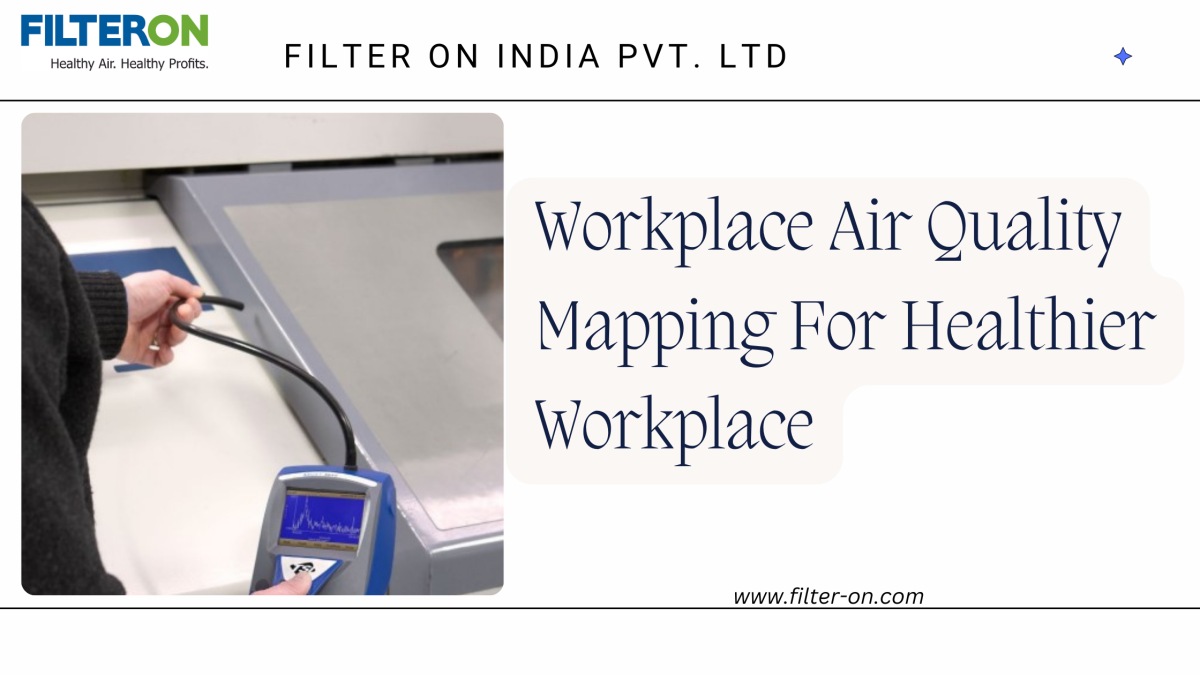
Workplace air quality is a serious issue nowadays. In the industrial environment, the workers face several health issues due to poor air quality. So air quality mapping is an important task for every industry nowadays. It provides various benefits to industries, but the most important benefit is “to plan a strategy to control the fumes in the workplace." Air quality mapping is the first step of every industry towards a healthier workplace.

What is air quality mapping?

The following are a few important things that will tell you what air quality mapping is all about.
  • To assess each workstation's actual air quality in order to ascertain the air quality condition of the workplace.
  • Take the readings in Mg/M3 format for each workstation in the workplace.
  • Carefully analyze and study the readings to understand the actual exposure level of each workstation in the workplace.
  • After complete analysis and study, prepare a foolproof air quality map in accordance with the workstation layout in the workplace to make the workplace healthier.

Workplace Air Quality

Why is air quality mapping important?

Air quality mapping is important for the following reasons:

Air quality mapping helps to formulate the targeted fume extraction strategies for those hotspots where the amount of fume exposure is very high. One can easily target the areas with the help of an air quality map.For example, generally, 20% of the workstations in the layout will be responsible for generating 80% of the pollution. AQ Map helps the planner identify those 20% of workstations for ‘targeted action.’

How is the air quality mapping test conducted?

A Filter ON representative comes to your plant and performs the test in the manner described below.

  • He uses a digital aerosol monitor to measure dust concentration at the operator level.
  • He categorizes results into Red Zones (pollution above safe values), Yellow Zones (pollution on the borderline of safe values), and Green Zones (pollution within safe values) on the plant layout.
  • Then Filter ON provides a report with recommendations for lowering exposure levels in red and yellow zones after analyzing the processes.
  • It enables planning for corrective actions like improved ventilation, enclosures, and pollution control devices.

Filter ON helps you to formulate the required air quality mapping test with its fume extraction systems because Filter ON has 40+ years of experience to develop and implement fume extraction systems for various industrial processes such as welding, oil mist, dust collection, laser marking, laser welding, and in commercial kitchen dry scrubbers. With this wide range of experience and 70+ different solutions to cater to the needs of industrial air pollution market, Filter ON wants to become your trusted partner for all the above offerings, so for your fume extraction needs, contact us at marketing@filter-on.com.

To make a corrective decision and plan the methods for implementing air quality mapping with fume extraction systems in your industry, please see our previous blog series, "Designing a Complete Clean Air System: A Guide to Effective Planning", as well as other blogs following this one.

In the next blog post, we will discuss the necessary steps that need to be carried out to perform air quality mapping in your workplace with a case study and also check the effectiveness of air quality mapping at your workplace.

Visit  blogs to learn more about the critical features of clean air system design and air pollution control systems created by Filter On India.

Filter On India has been working towards “Mission Zero Pollution” for the last 40+ years as a clean air solutions partner for industries. We specialize and have expertise in welding fumes, oil mist, coolant mist, dust collection, soldering, laser marking, laser cutting, plasma cutting, fumes in fastener manufacturing, ball point tip manufacturing, oil quenching, kitchen fumes, etc. Filter On has 70+ clean air solutions, so you can contact us for more information about our solutions. You can reach us through the web or visit us at our corporate office at Pune and our virtual locations at Delhi, Bangalore, Ahmadabad, Hyderabad, or Chennai locations.

Facebook
Twitter
LinkedIn
Categories
Blogs

5 Key Ways: To Improve performance of your Fume Extraction Systems

5 Key Ways: To Improve performance of your Fume Extraction Systems

Fume extraction systems are crucial pieces of equipment for any industry that uses metalworking, such as those that perform welding, machining, heat treatment, laser cutting, plasma cutting, EDM, and grinding processes. In this blog post, we go over the 5 key ways to make your fume extraction system work better so that you can know how you can improve the fume extraction system’s performance.

Enhancing your fume extraction system's functionality is crucial for the following reasons:

The following are benefits of performing fume extraction systems in your factory:
  • The air in your factory will remain clean and healthy.
  • Protection of Employee Health
  • Improvement in overall productivity on the shop floor
  • An improvement in the company's goodwill

Many progressive organizations make large investments in establishing fume extraction systems because of these advantages. However, it is discovered that the manufacturing environment is still contaminated in numerous locations despite the presence of fume extraction equipment.

But—hold on?

If, despite owning a fume extraction system, you do not experience the aforementioned advantages, you should reconsider and look into the following problems to determine the true cause. Filter ON is eager to assist you and offer answers when required. The primary cause is these systems' less-than-ideal performance. The following are some of the most frequent problems encountered:

5 Key Issues That Are Deteriorating the Performance of the Fume Extraction System:

If your mist collector is based on ESP technology, then you need to follow these maintenance tips:

Frequent breakdowns of fume extraction systems are due to overload of filters or overload of electric motors. Overload in filters may take place due to improper cleaning of filters, not maintaining the preventive maintenance schedules, or incorrect filter selection.

Frequent overload of the motor takes place due to improper blower-motor selection, faulty overload setting, or filter choke.

Due to frequent breakdowns in fume extractors, it is not able to extract and filter the fumes consistently, which leads to fumes escaping the shop and resulting in a polluted work environment.

Many times, imported machine tools come fitted with fume extractors and mist collectors. However, the spares of such imported fume extractors are found to be extremely costly with long lead times. Thus, the replacement is delayed by management, causing suboptimal performance or breakdowns of such imported fume extractors.

Certain components of the fume extraction system must be changed periodically. For example, if your system has cartridge filtration, you should replace it when it starts to get dirty and exhibit issues with fume capture.

One of the challenges, especially with imported fume extractors as well as some domestic manufacturers, is that the after-sale service for the equipment is not available, due to which such equipment remains in breakdown or has to be scrapped before the useful life is over.

For the fume extraction system to operate at its peak efficiency, these problems must be resolved.

So how can FilterON help you to solve the problems mentioned above?

For the past 40+ years, Filter ON India has been striving for "mission zero pollution" in the Indian air filtration industry. Filter ON, an industry partner for clean air solutions, has created and implemented 70+ clean air solutions for various applications in the industry, such as welding, brazing, grinding, plasma and laser cutting, and CNC machining.

So Filter ON has the expertise to solve the above issues and provides you the solutions to get your fume extraction problem solved. So some of the solutions we provide here are the top 5 solutions that you can think to implement:

5 Key Ways to Improve Performance of Your Fume Extraction Systems:

Improve the fume extraction performance with 5 essential tips

Machine Health Check:

By using its experience, Filter ON offers comprehensive machine health checks and can identify filtration-related problems in the work environment. Our sales or service staff will visit your location and will check some key parameters like air flow capacity, rated motor currents, and high voltage measurement (in the case of electrostatic systems) to provide you with comprehensive information about the state of the work area. With this information, proper corrective action can be planned to revive the non-performing systems which ultimately improve the fume extraction system’s performance.

Modifications:

Due to process changes, layout changes, etc., many times it is required to make relevant changes in the fume extractor system and its ducting/hood arrangement to make it effective. FilterON’s experienced design team can help in this task to ensure maximum utilization of your existing systems, which would save significant costs for you.

Renovating

There are some very old fume extractor systems with clients that would need major reconstruction. The FilterON team carefully analyzes and protects the costly spares & components in such systems and renovates the complete system to function as well as a brand new system at much lower cost than buying a new system. With this service, the FilterON team literally gives a new life to an old, outdated system, saving huge resources.

New Installations:

We provide the installation of modern fume extraction systems. Our ISO 9001:2015 and CE-marked full fume extraction solutions can undoubtedly address most of your fume extraction problems to ensure a clean and productive work environment at the lowest total ownership cost.

Imported machine component substitutes:

Filter ON offers alternative, localized spares for imported machines, eliminating worry about spare parts and improving efficiency, ensuring the safety and performance of your fume extraction system.

So by applying these measures we can conclude that we can improve fume extraction system’s performance to an greater extent.

Please contact us if you have any questions about fume extraction performance improvement.
Email us:
marketing@filter-on.com

Visit  blogs to learn more about the critical features of clean air system design and air pollution control systems created by Filter On India.

Filter On India has been working towards “Mission Zero Pollution” for the last 40+ years as a clean air solutions partner for industries. We specialize and have expertise in welding fumes, oil mist, coolant mist, dust collection, soldering, laser marking, laser cutting, plasma cutting, fumes in fastener manufacturing, ball point tip manufacturing, oil quenching, kitchen fumes, etc. Filter On has 70+ clean air solutions, so you can contact us for more information about our solutions. You can reach us through the web or visit us at our corporate office at Pune and our virtual locations at Delhi, Bangalore, Ahmadabad, Hyderabad, or Chennai locations.

Facebook
Twitter
LinkedIn
Categories
Blogs

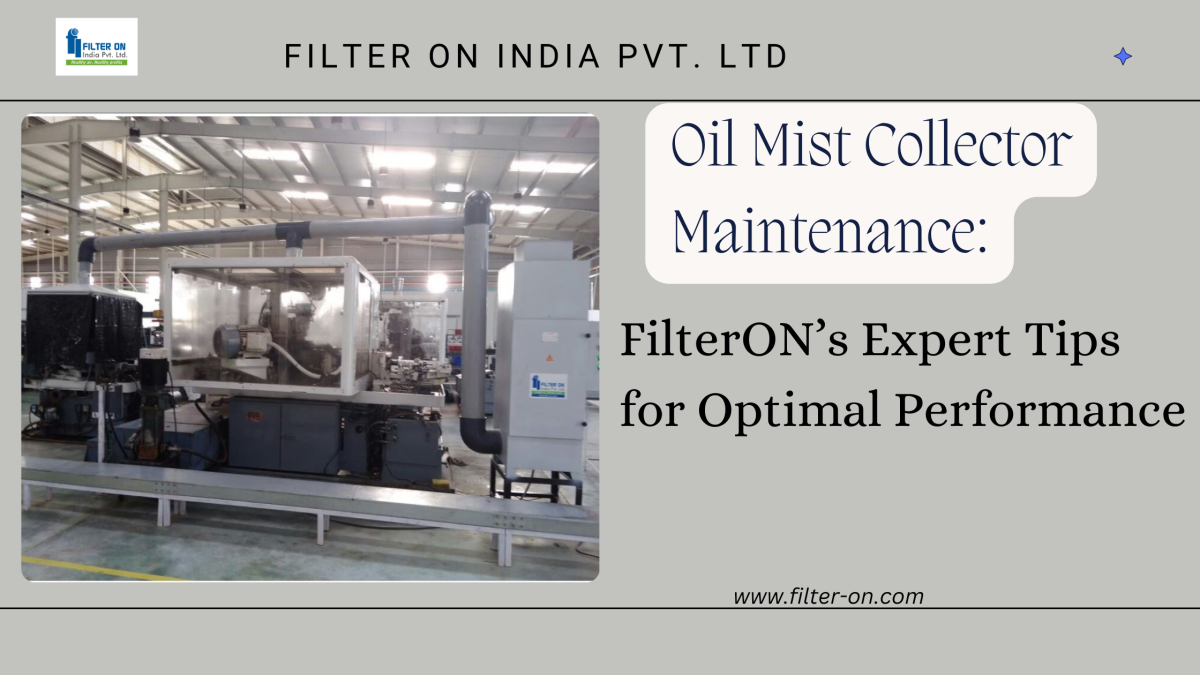
Oil Mist Collector Maintenance: Filter ON’s Expert Tips for Optimal Performance

Oil Mist Collector Maintenance: FilterON’s Expert Tips for Optimal Performance

In filtration industries, oil mist collectors play a vital role in collecting mist particles generated during the machining process, but do you know how to maintain an oil mist collector for optimal performance? What are the maintenance guidelines, i.e., tips to follow? We will see in today’s blogpost how one can clean and maintain an oil mist collector for optimal performance with Filter ON’s Maintenance Tips Guide.

Why do oil mist collectors need maintenance?

Proper maintenance of mist collectors is crucial for preventing safety hazards in the work environment. These devices capture harmful particles, preventing them from entering the workplace. Inadequate maintenance can lead to filter clogging and equipment failure, posing safety risks as well as the risk of costly component failures in the mist collectors. Regular maintenance of the oil mist collector ensures its optimal performance, which prevents escalating issues at the time of use and ensures workplace safety for workers.

Technology Wise: Oil Mist Collector Maintenance Tips

Every oil mist collector has different types of technology used, such as ESP (electrostatic precipitator) and mechanical/centrifugal mist collectors.

Want to know about health hazards related to welding fumes? Click here to read more.

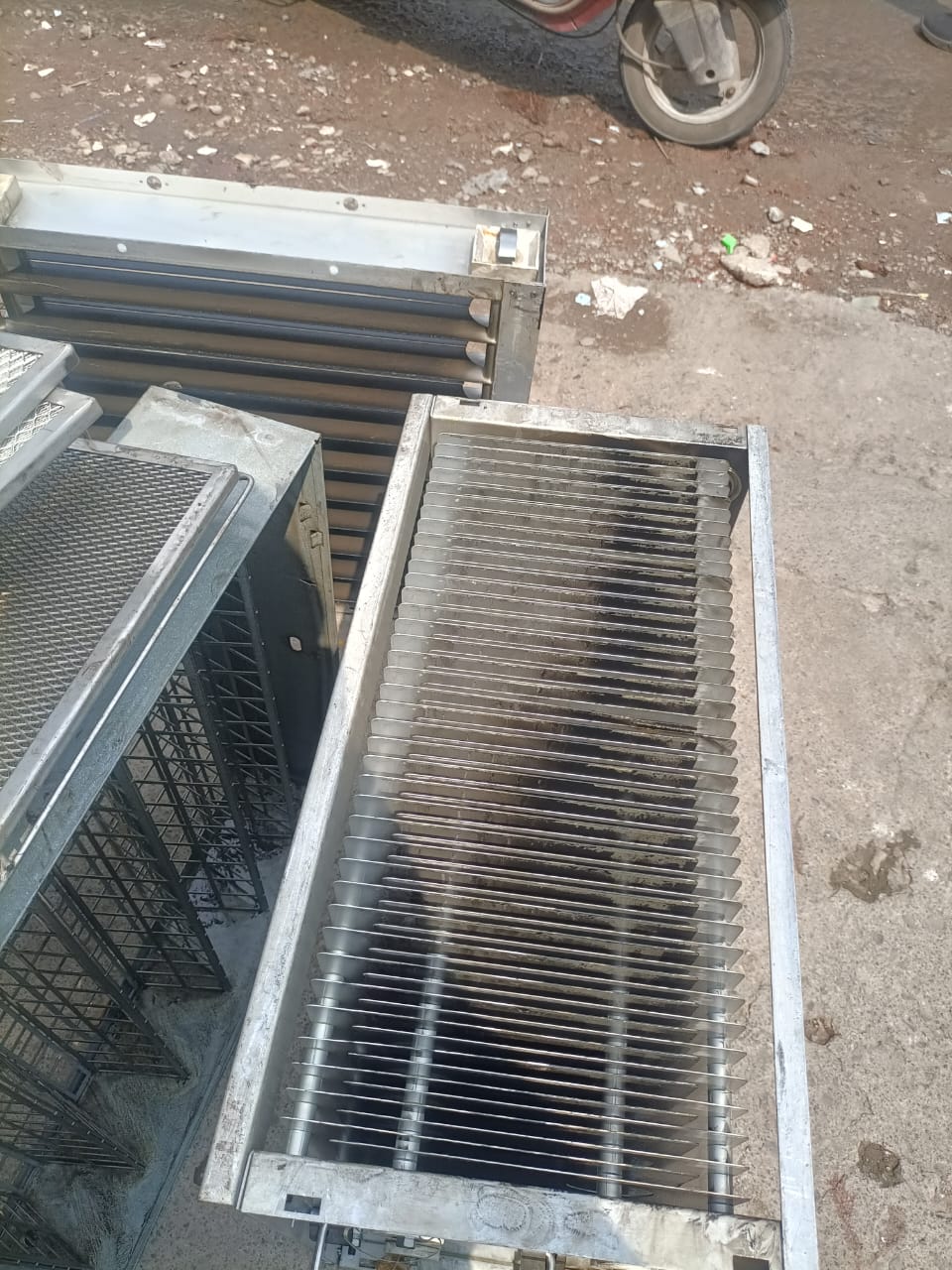
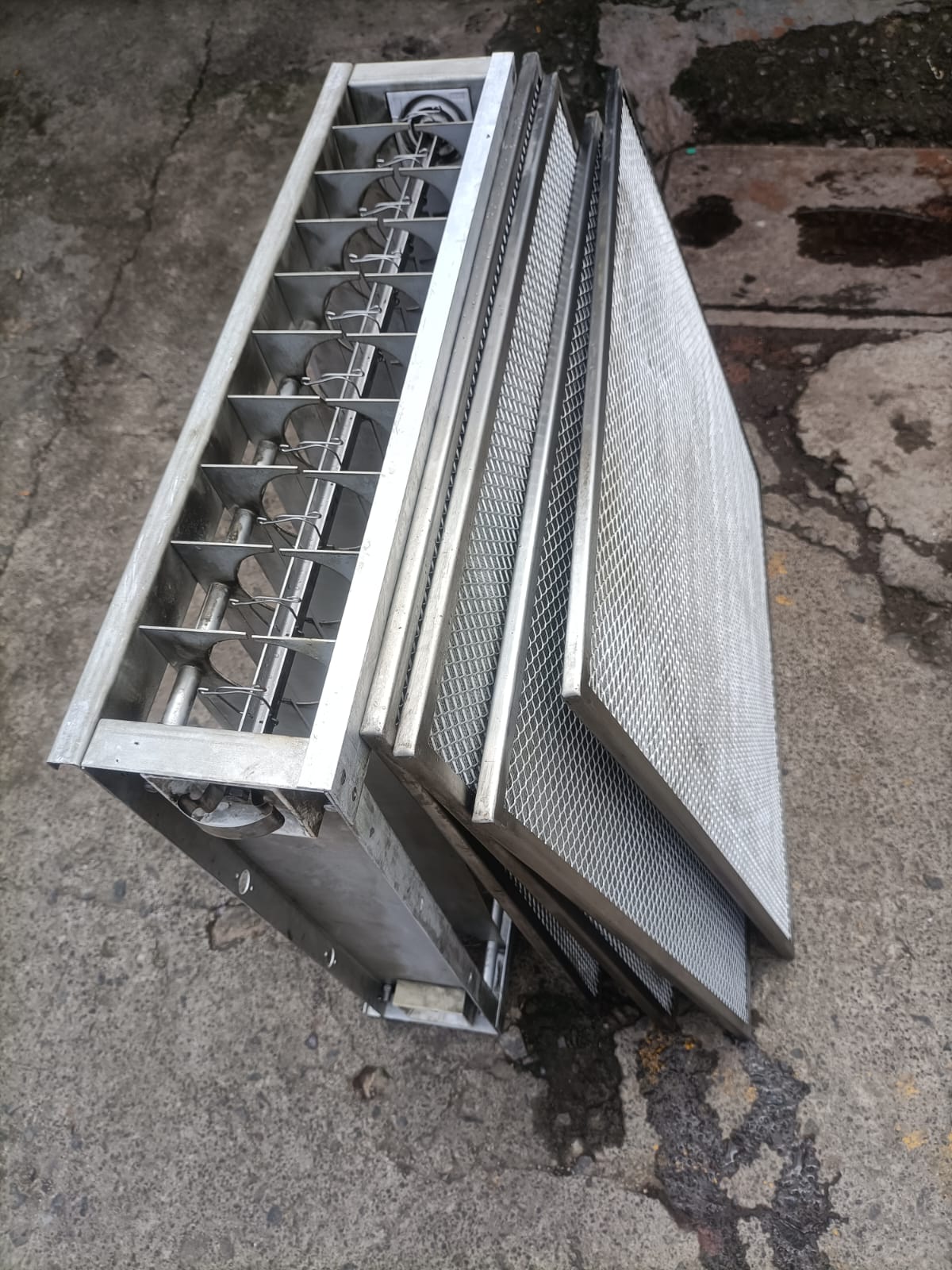
Electrostatic Precipitator Technology:

If your mist collector is based on ESP technology, then you need to follow these maintenance tips:

  1. Stir uniformly for 5 to 10 minutes to form a homogeneous solution.
  2. Dip or soak the ESP Cell (Stack) for 25 to 30 minutes in this homogeneous solution. (As per Clogged ESP Cell Condition & Stickiness of the Dust Particles in It).
  3. Remove the ESP Cell (Stack) from this solution and use a spray or gun to wash it with normal high-pressure water for 15-20 minutes. (The pressure limit is not more than 4 bars.)
  4. After properly washing the ESP cell, you must dry the ESP cell (stack) in direct sunlight or using compressed air (the pressure limit is not more than 3 bars).
  5. Dry it completely, make sure, and then install Stack in the ESP Cabinet.

  • Filter ON -1 Cleaning Powder
  • Large- volume water tanks open on top with drain provision at bottom.
  • Dedicated cleaning location and drainage facility.
  • High-pressure water
  • Compressed air
  • Material Handling Provision: Forklift/stacker, trolley, etc.

Every 1000 hours of operation and more often if the working conditions require it, clean the exterior and the suction mouth of the mist collector.

Programmed Maintenance:

In order to ensure the maximum efficiency of the air filter, it is necessary to undertake preventive programmed maintenance at regular intervals.

Filter, Seals, and Rotors Maintenance:

Cleaning the filters:

Careful and regular cleaning of all the internal parts (shell, drainage pipe, drainage ring, etc.) ensures high performance and long life of the air filter.

It is also important to routinely inspect the inside of the centrifuge and the turbine blades to remove any potential deposits of metal fragments, sludge, or other debris that might lead to a loss of balance in either the centrifuge or the turbine. to get rid of any potential deposits of sludge, metal particles, or other debris that might throw the centrifuge or turbine out of balance.

For the internal cleaning of the air filter and the rotators (either turbine or centrifuge), use a clean brush saturated in a mild industrial detergent solution. Alternatively, standard liquid soaps can be used. Should the dirt be very resistant, it is advisable to remove the rotor, use an alternative cleaning solution, and allow the centrifugal device to dry in the open air or dry with a jet of compressed air.

Structural Checks Required Yearly:

Each year:

Verify that the anti-vibration joints' nuts are securely tightened.

Every year:

Check the condition of the safety tie rods.
Check the good condition of the mist collector shell.

Every 4 years:

Replace the anti-vibration joints.

Benefits of Routine Maintenance of Oil Mist Collector Systems:

  • Worker safety and well-being.
  • Organizations bound by compliance.
  • Durability of Equipment
  • Operational Efficiency

In conclusion, centrifugal and ESP filter cleaning guidelines must be adhered to, and routine maintenance of oil mist extractors is crucial. This will allow workers to breathe clean air and extend the equipment's lifespan in compliance with regulatory standards and regulations.

Please contact us if you have any questions about fume extraction maintenance.
Email us:
customersupport@filter-on.com.

Visit  blogs to learn more about the critical features of clean air system design and air pollution control systems created by Filter On India.

Filter On India has been working towards “Mission Zero Pollution” for the last 40+ years as a clean air solutions partner for industries. We specialize and have expertise in welding fumes, oil mist, coolant mist, dust collection, soldering, laser marking, laser cutting, plasma cutting, fumes in fastener manufacturing, ball point tip manufacturing, oil quenching, kitchen fumes, etc. Filter On has 70+ clean air solutions, so you can contact us for more information about our solutions. You can reach us through the web or visit us at our corporate office at Pune and our virtual locations at Delhi, Bangalore, Ahmadabad, Hyderabad, or Chennai locations.

Facebook
Twitter
LinkedIn
Categories
Blogs

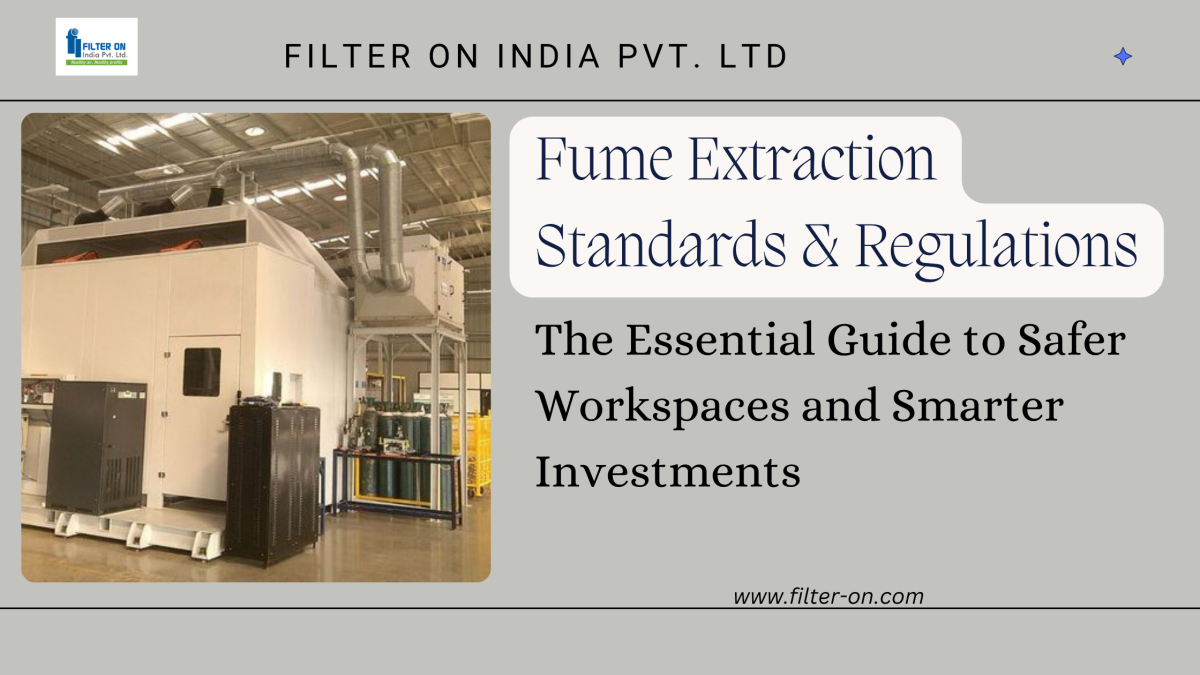
Fume Extraction Standards & Regulations: The Essential Guide to Safer Workspaces and Smarter Investments

Fume Extraction Standards & Regulations: The Essential Guide to Safer Workspaces and Smarter Investments

Global market changes Day by day, manufacturers and companies need to comply with standards and regulations at every manufacturing process, such as welding, brazing, oil mist, dust collection, laser marking, laser cutting, etc. These processes need to comply with the safety standards and government regulations for each process as per the latest government norms specified.

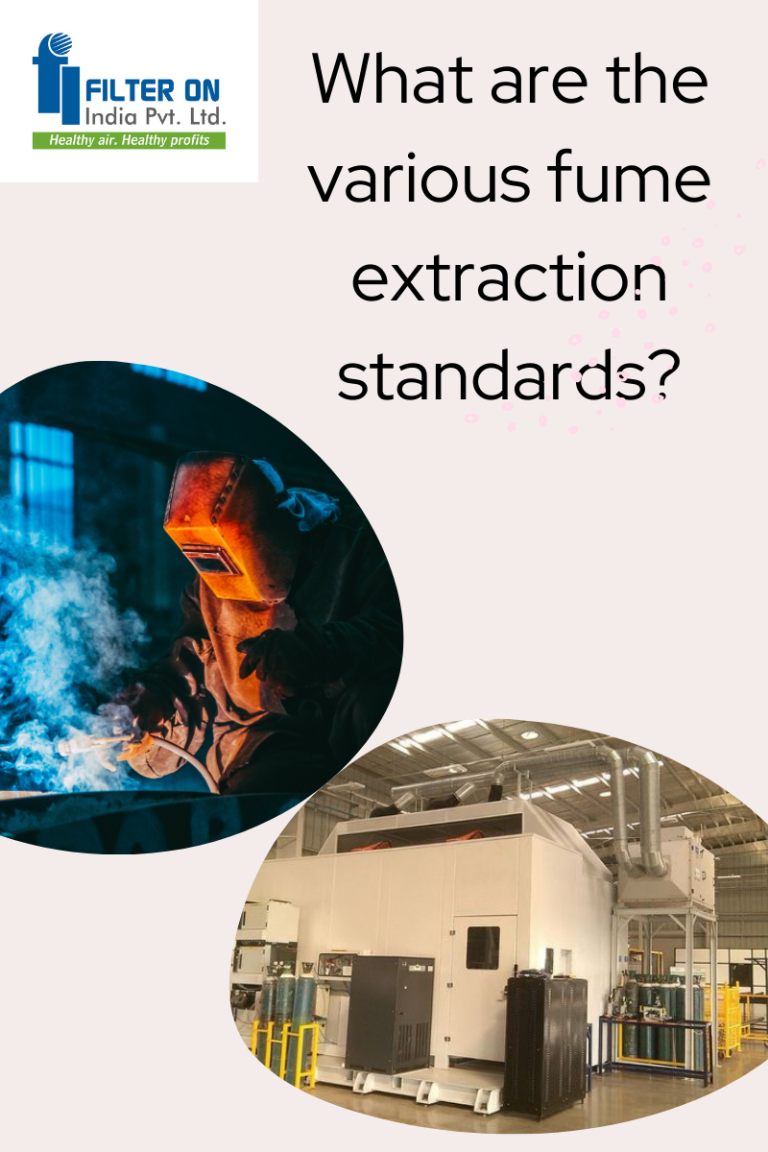
Fume extraction standards and regulations

Safety Standards and Exposure Limits For Workers—Welding Applications:

As per the OSHA factsheet and India's PEL (Permissible Exposure Limits), the welding process is as follows:

OSHA standards for galvanized steel:

OSHA warns of welding hazards in galvanized steel and stainless steel. Galvanized steel, coated with zinc, can cause metal fume fever.

Want to know about health hazards related to welding fumes? Click here to read more.

OSHA standards for stainless steel:

Stainless steel coated with chromium is highly toxic and can cause cancer. Companies have a duty to guarantee that no worker is exposed to levels of chromium greater than 5 µg/m³.

Safety Standards and Exposure Limit for Workers: Laser Marking Applications:

  • The Occupational Safety and Health Administration (OSHA) has established safety limits for laser marking, categorized into different classes based on their power and potential hazards.
  • Class 1 is safe under all conditions, while Class 2 is safe for short viewing times but can cause eye damage if mishandled.
  • Class 3B is unsafe for direct viewing and can cause skin and eye injuries.
  • Class 4 is high-power lasers that can cause skin and eye injuries and fire hazards.
  • Laser beams should not be directed at employees, and systems should not be operated in rainy, snowy, or dusty weather conditions.
  • Other safety limits include limiting diffused reflected light to 2.5 watts per square centimeter, preventing employees from exposure to microwave power densities above 10 milliwatts per square centimeter, and having removable panels and doors with interlocks that automatically reduce or stop laser emissions when the enclosure is opened.

Safety Standards and Exposure Limit for Workers: Laser Cutting Applications:

  • The Occupational Safety and Health Administration (OSHA) has established safety limits for laser equipment, categorized by power and hazard level.
  • Class III B lasers are moderate power, while Class IV high power lasers pose hazards to view, ignite materials, and produce air pollutants.
  • It is not appropriate to point the laser beam toward workers, and it is not advisable to run systems in wet, snowy, or dusty environments.Laser equipment labeling should indicate its maximum output, and Class IIIB or Class IV lasers should be enclosed in a Class I enclosure or have a Laser Safety Officer present.
  • Ideally, the laser unit should be set up above employees' heads.

Visit  blogs to learn more about the critical features of clean air system design and air pollution control systems created by Filter On India.

Filter On India has been working towards “Mission Zero Pollution” for the last 40+ years as a clean air solutions partner for industries. We specialize and have expertise in welding fumes, oil mist, coolant mist, dust collection, soldering, laser marking, laser cutting, plasma cutting, fumes in fastener manufacturing, ball point tip manufacturing, oil quenching, kitchen fumes, etc. Filter On has 70+ clean air solutions, so you can contact us for more information about our solutions. You can reach us through the web or visit us at our corporate office at Pune and our virtual locations at Delhi, Bangalore, Ahmadabad, Hyderabad, or Chennai locations.

Facebook
Twitter
LinkedIn
Categories
Blogs

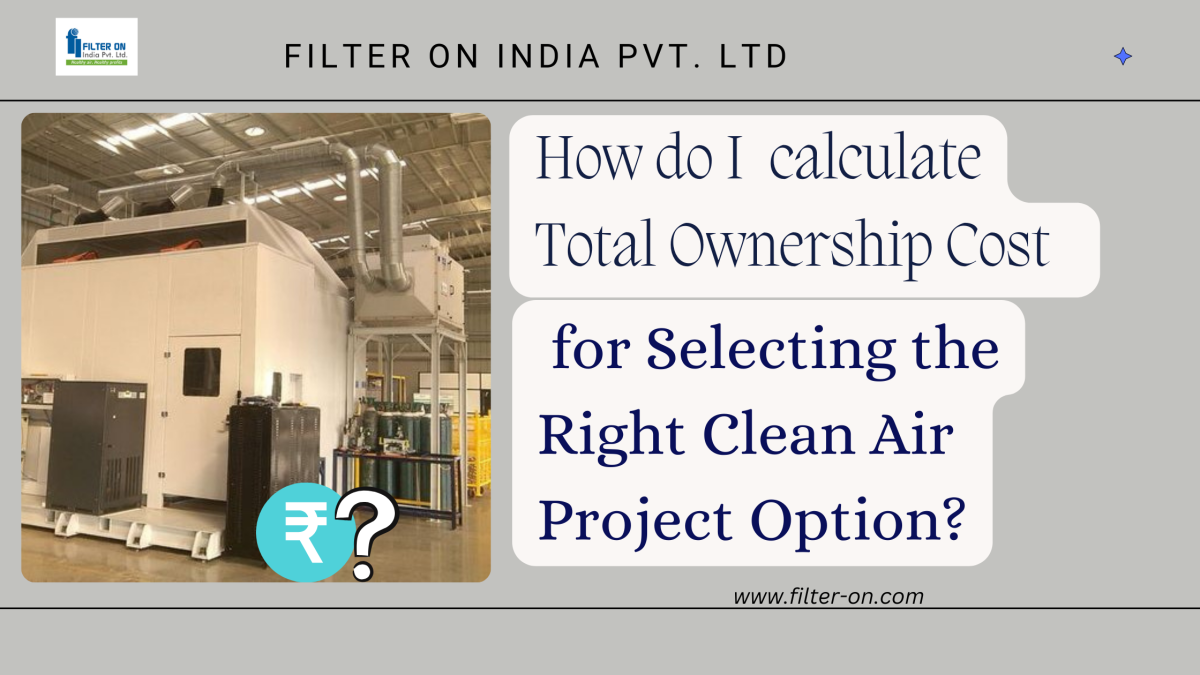
Analyzing Total Ownership Costs: Selecting the Right Clean Air Project Option

Analyzing Total Ownership Costs: Selecting the Right Clean Air Project Option

In the previous couple of blogs, we discussed planning and designing clean air systems, including choosing the right filtration technology and fan selection. Total ownership cost is a crucial parameter to consider, including filter technology, air flow capacity, running costs, filter replacement costs, blower capacity, and ducting length.

What is the total ownership cost?

Total ownership coat, a management accounting concept, helps determine the direct and indirect costs of a product or service over the long term to arrive at the correct decision while making decisions.

What is the total ownership cost of a clean-air system?

Total ownership cost for a clean air system consists of some parameters such as air flow capacity, filter efficiency, compliance with EMS, size of equipment, considered duct length, static pressure, blower capacity, cell configuration, total initial investment cost, running cost for 1 year, AMC charges per year, standby filter cell, replacement cost of the filter, any optional accessories, etc.

In short:

Total Ownership Cost concept for 3-5 years (installation cost + running cost + maintenance cost + replacement cost = Total Ownership Cost)

Consider a simple case study to illustrate this concept. A fume extraction system with a 45,000 CMH airflow capacity—three options based on different filtration technologies—is worked out.

You can read about the above 3 technologies in our previous blog article <a href="https://filter-on.com/2024/04/05/selecting-the-right-filtration-technology/" style a:link, a:visited { background-color: #f44336; color: white; padding: 15px 25px; text-align: center; text-decoration: none; display: inline-block; } a:hover, a:active { background-color: red; } here.

Total Ownership Cost Structure
Parameters ESP Technology Cartridge Technology Wet type:Venturi Scrubber
Airflow Capacity 45000 CMH 45000 CMH 45000 CMH
Filtration Efficiency 95+/-2% for 0.5 micron and above particles It depends on media selection. Generally chosen cartridge: 99% for 1 micron or 0.5 micron for welding fumes 99% for 5 microns and 98% for 2 microns
Compliance with EMS Filtered air output is less than 5 ppm. Filtered air output is less than 5 ppm. Filtered air output is less than 5 ppm.
Size of Equipement Compact Larger than ESP system. The biggest of the three
Considered Duct Length Approx. 100 mtr. per system Approx. 100 mtr. per system Approx. 100 mtr. per system
Blower Capacity 50HP/37Kw 100HP/74.5Kw 150HP/112Kw
Total Initial (Basic) Investment Cost (Equipment, Ducting, and Installation) INR 60.16 lakh INR 76.31 lakh INR 104.81 lakh
Running Cost for 1 Year (considering 16 hours per day x 300 days and 10 Rs/unit) INR 17.76 lakh (per year) X 3 years = 53.28 lakh INR 35.76 lakh (per year) X 3 years = 107 lakh + compressed air charges INR 53.66 lakh (per year) X 3 years = 161 lakh + water charges
AMC Charges per Year (All Scope) Approx. Rs 6 lakh (for 12 visits per year) X 3 years = 18 lakh Approx. 1 lakh (for 4 visits per year) X 3 years = 3 lakh Approx. Rs 6 lakh (for 12 visits per year) X 3 years = 18 lakh
Replacement Cost Filter After 3 years, Rs 1.20 lakh for pre- and after filter replacement & After 5 years, Rs. 3 lakh for ESP filter refurbishment After 2 years, Rs 9.90 lakh N/A
Optional accessories like a VFD, PLC, motorized damper, spark trap, etc. INR 12.92 lakh INR 19.73 lakh INR 27.15 lakh
Total Ownership Cost for 3 Years 154.56 Lakh 215.94 Lakh 310.96 Lakh

Total Ownership Cost Structure
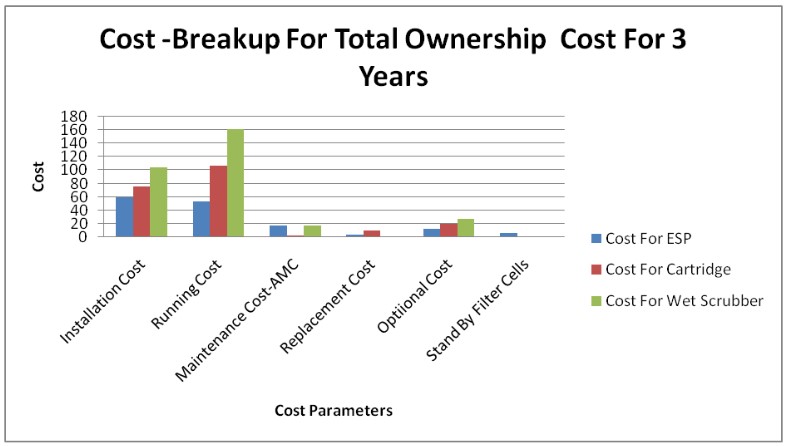
Cost Parameters Cost Of ESP Technology Cost Of Cartridge Technology Cost Of Wet type:Venturi Scrubber
Installation Cost 60.16 lakh 76.31 lakh 104.81 lakh
Running Cost 53.28 lakh 107 lakh 161 lakh
Maintenance Cost-AMC 18 lakh 3 lakh 18 lakh
Replacement Cost 1.2 lakh 9.9 lakh 0
Optional Cost 12.92 lakh 19.73 lakh 27.15 lakh
Total Ownership Cost for 3 Years 154.56 Lakh 215.94 Lakh 310.96 Lakh

Total ownership cost - parameters wise breakup

Total Ownership Cost Structure
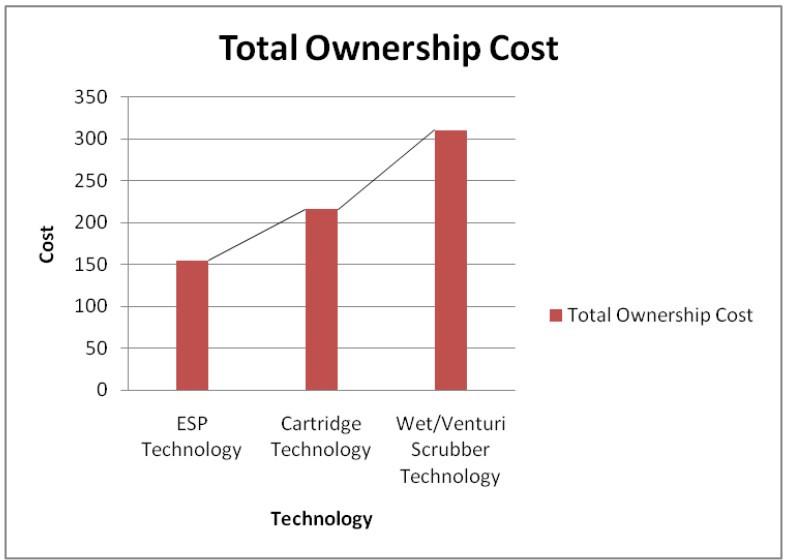
Technology Total Ownership Cost
ESP Technology 154.56 lakh
Cartridge Technology 215.94 lakh
Wet/Venturi Scrubber Technology 310.96 lakh

Total ownership cost technology wise breakup

Fig: Total ownership cost(Technology wise breakup)

Understandings from the above example:

As per the above example of total ownership cost calculation about the 3 technologies, we can conclude that the ESP technology is totally beneficial in the long run as per the costing, as the total cost is very low; it’s only 154.56 lakh as compared to cartridge technologies 215.94 lakh and wet scrubbers 310.96 lakh for the period of 3 years.

Key takeaways from the above example:

  1. From the above example, you can see that the total cost of ownership of ESP technology is low as compared to the other two technologies.
  2. The total cost of ownership consists of several parameters that are very important, including air flow, blower capacity, initial cost, filter cost, cost of ducting, etc.
  3. The most important parameter of the clean air system is air flow calculation, so air flow rate is the most comparable factor to check which proposal is capable of solving your industrial indoor pollution problem.

Visit blogs to learn more about the critical features of clean air system design and air pollution control systems created by Filter On India.

Filter On India has been working towards “Mission Zero Pollution” for the last 40+ years as a clean air solutions partner for industries. We specialize and have expertise in welding fumes, oil mist, coolant mist, dust collection, soldering, laser marking, laser cutting, plasma cutting, fumes in fastener manufacturing, ball point tip manufacturing, oil quenching, kitchen fumes, etc. Filter On has 70+ clean air solutions, so you can contact us for more information about our solutions. You can reach us through the web or visit us at our corporate office at Pune and our virtual locations at Delhi, Bangalore, Ahmadabad, Hyderabad, or Chennai locations.

Facebook
Twitter
LinkedIn