Categories
Blogs

Comprehensive Guide to Duct Design: Types, Velocity, Power, and Pressure Drop with 7 Practical Design Guidelines

Comprehensive Guide to Duct Design: Types, Velocity, Power, and Pressure Drop with 7 Practical Design Guidelines

Ducting is a main and important component of any clean air system design. Ducting involves various parameters, including ducting type, required velocity, power consumption, and pressure drop. We will discuss all the above parameters in today's blog post, “Duct Design: Guide for Ducting Design of a Clean Air System,"  as well as a few guidelines for standard duct design. 

Duct Design: Types of ducting:

Ducting has two types:

  • Round Ducting
  • Rectangular Ducting

Duct type, such as round or spiral duct, is a type of steel pipe made from various materials like stainless steel, aluminum, copper, and galvanized steel.

Round ducts are more common in fume extraction and dust collection systems, whereas rectangular ducts are more common in air conditioning systems and fresh air ventilation systems.

Round vs. Rectangular

Why round ducting is preferred over rectangular ducting in air pollution control systems:

The main reason is that the dust accumulation inside round ducts is very low as compared to rectangular ducts. In rectangular ducts, dust keeps getting accumulated at the corners. This is not a good situation in any way because it creates a safety or fire hazard in the case of some industrial pollutants like aluminum dust and where there is a possibility of sparks or hot particles entering the duct. Other factors are:

  • A round duct has a low pressure drop.
  • Round ducting is also more rigid than rectangular ducting.
  • The round duct has a lower duct vibration drum effect than the rectangular duct.
  • A round duct has a lower noise level as compared to a rectangular duct.
  • Round ducting has less friction for the air to move around, so it tends to move faster and more efficiently as compared to rectangular ducting.
  • Round ducts work best with medium- to high-pressure clean air systems.

Certain optimum ranges are recommended as per application; e.g., for dust collector applications, a range of 20–22 m/s is common so as to avoid dust deposition inside the duct. This velocity ensures that most of the dust particles are swept effectively up to the dust collector. In the case of welding fumes, this value is lower (@15–17 m/s), as it would need much less velocity to convey fumes as compared to dust.

CFM, which is “cubic feet per minute,” = velocity, which is shown in “feet per minute,” multiplied by the area, which is shown in “square feet.”

Duct Sizing:

Duct sizing is the most important factor in the design of a duct.

How is the duct size calculated then?

The Darcy equation reveals that reducing duct diameter increases pressure loss at a constant volume flow rate, while larger volume flow rates require larger duct diameters.

Duct Sizing Methods:

There are three important duct-sizing methods:

  • Equal friction method
  • Velocity Method
  • Friction Method
  • Static Regain

Duct Velocity and Pressure Drop

Duct velocity and pressure drop are important factors in a clean-air system. These factors influence airflow, duct velocity, and total pressures. Accurate calculations help ensure optimal airflow, comfort, and efficient system design. Excessively higher velocities than the recommended range would produce a very high pressure drop. Also, too little velocity will increase the size of the duct and, thus, the ducting cost.

Velocity and power consumption

Higher velocity leads to a higher pressure drop, and thus, you would need more power to overcome that pressure drop. This will increase the running cost of the system.

Duct Sizing: Increasing and Reducing Diameters

Increasing and decreasing diameters in duct sizing are based on the Darcy equation. The Darcy equation reveals that reducing duct diameter increases pressure loss at a constant volume flow rate, while larger volume flow rates require larger duct diameters.

Elbows, sharp bends, reducers, etc.

Elbows:
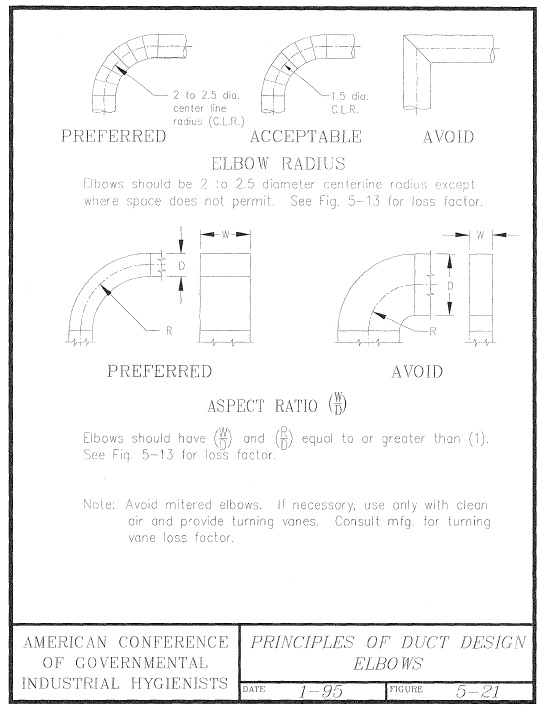
Elbow Design Guidelines

Fig: Principles Of Duct Design-Elbows(ACGIH Industrial Ventilation-23 Edition)

Radius elbows are recommended for rectangular ducts, while mitered elbows with turning vanes are suitable for medium- and high-velocity VAV systems. Short-radius elbows with splitters are recommended for medium- and high-velocity systems. Mitered elbows with turning vanes are used if necessary, but not for low-velocity systems.

Sharp Bends:

Avoid sharp bends or turns to make the air flow clear, because sharp bends or turns restrict the air flow speed in ducting.

The ductwork system utilizes various types of bends, including long radius bends with a gradual centerline radius, short radius bends with a sharper radius, and U-shaped bends like return bends. Mitered bends, offset bends, and bumper bends are used to change flow direction, redirect flow, and absorb shock or vibration.

Reducers:

Sharp-step-type reducers are to be avoided. Smooth tapering reducers should be considered. Also, ensure that the size of the duct is expanded prior to connecting branches and not after the connecting branch.

Dampers for balancing

Dampers are essential in CV (constant volume) systems, including self-balancing methods. The use of dampers ensures that we get the required air flow as per design at each branch.

7 Practical Guidelines for Duct Design:
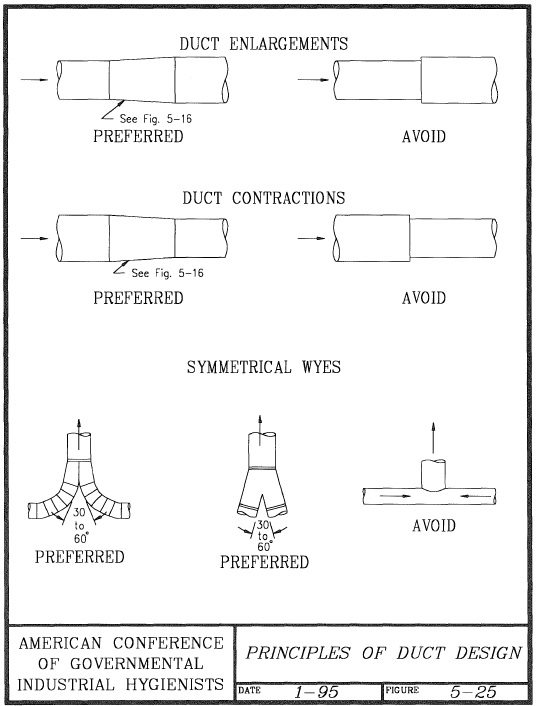
Duct Enlargements1

Fig: Principles Of Duct Design-Duct Enlargements(ACGIH Industrial Ventilation-23 Edition)
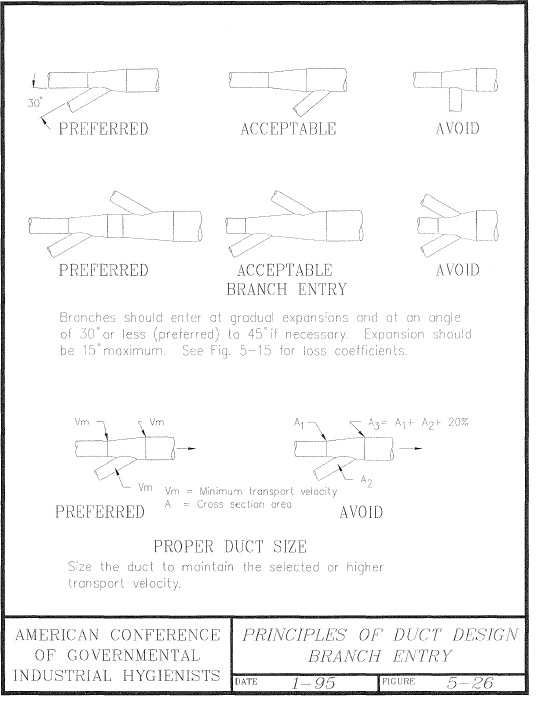
Duct Enlargements2

Fig: Principles Of Duct Design-Duct Enlargements(ACGIH Industrial Ventilation-23 Edition)

  1. The general rule of thumb is that the less duct work you have, the cheaper it’s going to be. The fewer bends and elbows required are ideal.
  2. The blower needs to be less static, meaning a more cost-friendly exhaust blower, requiring less HP and energy consumption.
  3. Straight runs are best because they reduce wear issues and resistance in your duct system.
  4. Long-radius bends, curves, and turns are essential in creating airflow, reducing static pressure resistance and enhancing airflow by ensuring soft and delicate designs. .
  5. The static pressure generated during duct runs can significantly impact the velocity of the air, requiring careful consideration and management.
  6. The nature of open or larger-diameter pipe sizes can allow for more movement and less static pressure.
  7. Consult an expert like Filter On India for typical duct-carrying velocities based on dust density.

Visit blogs to learn more about the critical features of clean air system design and air pollution control systems created by Filter On India.

Filter On India has been working towards “Mission Zero Pollution” for the last 40+ years as a clean air solutions partner for industries. We specialize and have expertise in welding fumes, oil mist, coolant mist, dust collection, soldering, laser marking, laser cutting, plasma cutting, fumes in fastener manufacturing, ball point tip manufacturing, oil quenching, kitchen fumes, etc. Filter On has 70+ clean air solutions, so you can contact us for more information about our solutions. You can reach us through the web or visit us at our corporate office at Pune and our virtual locations at Delhi, Bangalore, Ahmadabad, Hyderabad, or Chennai locations.
Facebook
Twitter
LinkedIn
Categories
Blogs

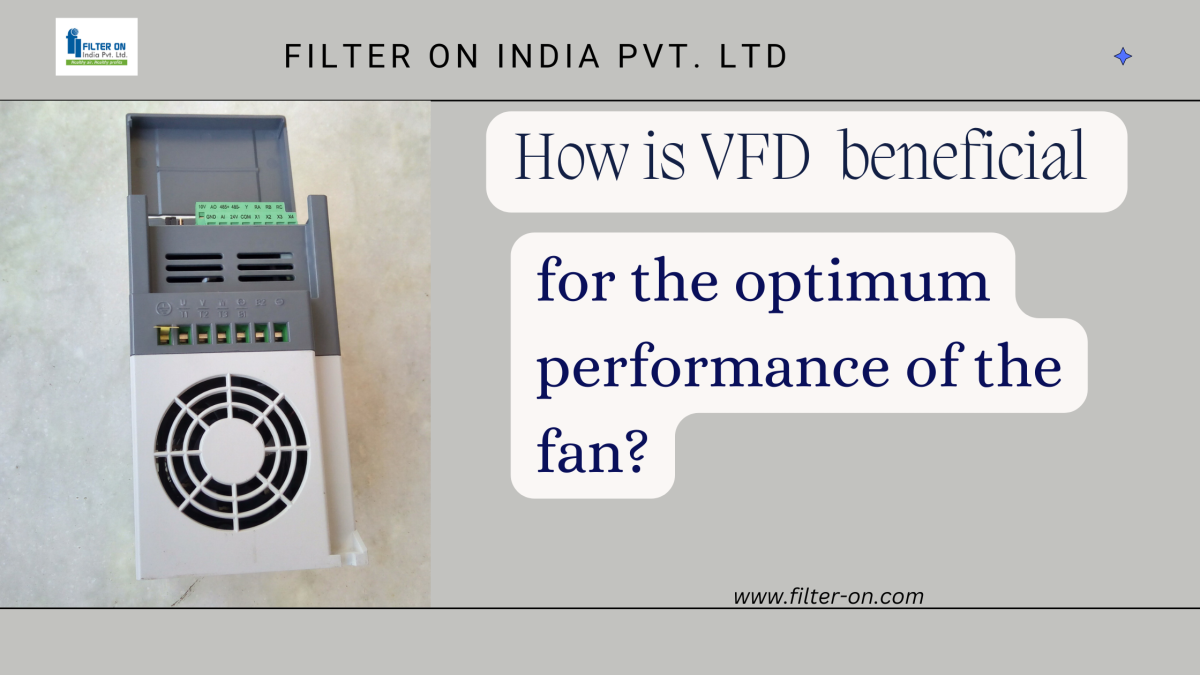
Optimizing Clean Air Systems: Part III -The Role of VFD for Fans

Optimising Clean Air Systems: Part III -The Role of VFD for Fans

In our previous article. we discussed the key parameters that need to be considered for the right fan selection. We have also checked what a VFD is, i.e., a variable frequency drive. As the role of VFD is an important parameter for our fan selection, Filter On is always considered. “Optimizing clean air systems: The role of VFD for fans” is important when designing clean air systems, so we have discussed here the role of VFD in improving our clean air system design.

Optimising Clean Air Systems: Role of VFD for Fans

The power consumed by any fan The blower depends on the air flow and total static pressure. Air flow depends on suction hood and enclosure design, while static pressure loss depends on ducting. layout and filter pressure drop. Designers must consider these factors to minimize motor capacity overdesign.

How air flow and static pressure are crucial factors in power consumption for a system.

Air Flow:

Air flow depends on the suction, hood design and enclosure arrangement. The main purpose is to capture the fumes before they spread into the environment.

Static Pressure:

Static pressure loss depends on ducting layout (diameter, conveying duct velocity, length, and number of fittings like elbows, tees, etc.) as well as filter pressure drop.

The Designer’s Role In System Design: Role of VFD for Fans

The designer needs to keep some margin considerations for air flow (to accommodate any minor additions needed) as well as static pressure (to accommodate a few changes in ducting layout and changes in filter pressure loss over time). Thus, the Blower selected especially in a centralized fume extraction system is overcapacity (both in air flow and static pressure) to accommodate these changes.

How is VFD useful for clean air systems?

Before going into this aspect, One has to understand the fan laws (especially for centrifugal fans). The understanding of fan laws will guide us about how to use VFD to optimize the power consumption of a blower in a fume extraction system without compromising the required performance.

A Brief Overview of Fan Laws: Role of VFD for fans

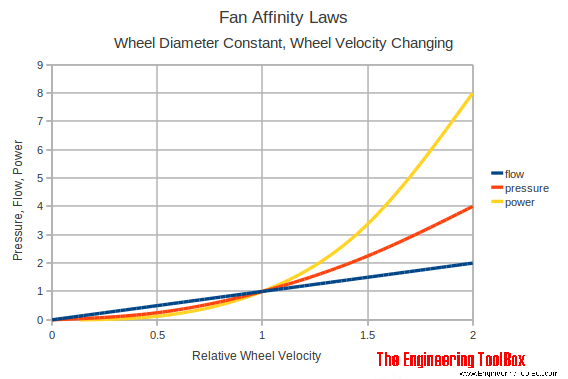
Role of VFD:Fan Laws

There are three fan laws to be followed.:

The first fan law states that

The changes in air flow rate of the fan are proportional to the changes in speed. the impeller. For example, if the impeller speed is increased by 10%, then the The air flow rate will also increase by 10%.

The second fan law states that

The changes in total static pressure in the ventilation system will increase by the square of the changes in impeller speed of the fan. For example, if the impeller If the speed of the fan is increased by 10%, then the total static pressure will increase by 21%.

The third fan law states that the

The changes in horse power required by the fan to turn the impeller will increase by the cube of the changes in impeller speed of the fan. For example, if the impeller speed is increased by 10%, then the horsepower required to turn on The impeller will increase by 33.1%.

Deploying VFD in a Fume Extraction System:

By using these fan laws, one can effectively deploy the VFD, PLC, and actuated damper combination to achieve huge savings in the running cost of a fume extraction system.

First, the system's initial set point should be adjusted to 100% of the required value based on real site conditions. Air flow is controlled at each station based on design estimates using manual dampers and a VFD. As a result, the system pulls the exact amount of electricity required. The initial configuration can save around 10–15% of electricity.

Because the blower is a centrifugal device, reducing the RPM results in a corresponding drop in airflow, but the power savings are in cube proportion to the RPM reduction. Thus, a 10% drop in RPM results in a 10% reduction in airflow, but a 19% decrease in power!

For optimal part load efficiency, A VFD must be paired with actuated dampers at each drop and a PLC controller. Running station-actuated dampers will remain open, while non-operational Station dampers will be closed by merging actuator and cell operations.

The signal from each damper (ON/OFF) is sent to the PLC controller, which decreases or raises the RPM of the motor based on the logic incorporated into the VFD. If half of the stations are closed, the RPM is lowered by half, resulting in a 50% reduction in air flow. In such a circumstance, the electricity savings might be up to 75%!

Thus, significant power savings can be achieved in partial load conditions. which can pay back for the additional investment costs for VFD and PLC in many cases.

Filter On India has been working towards “Mission Zero Pollution” for the last 40+ years as a clean air solutions partner for industries. We specialize and have expertise in welding fumes, oil mist, coolant mist, dust collection, soldering, laser marking, laser cutting, plasma cutting, fumes in fastener manufacturing, ball point tip manufacturing, oil quenching, kitchen fumes, etc. Filter On has 70+ clean air solutions, so you can contact us for more information about our solutions. You can reach us through the web or visit us at our corporate office at Pune and our virtual locations at Delhi, Bangalore, Ahmadabad, Hyderabad, or Chennai locations.
Facebook
Twitter
LinkedIn
Categories
Blogs

Selecting the Right Fan for Enhanced Air Quality: Part II – Key Parameters to Consider

Selecting the Right Fan for Enhanced Air Quality: Part II - Key Parameters to Consider

In our previous article, we discussed types of fans and recommendations for choosing the right fan selection for the right application. When we need to consider selecting the right fan for enhanced air quality, some key and important parameters need to be taken into consideration, We will discuss here the key parameters for selecting the right fan for enhanced air quality as well as explore more about configurations and types of drives for fans, which have a significant impact on the performance of the system as a whole.

Selecting the right fan: List of Key Parameters: ​

For enhanced air quality, we considered the key parameters for selecting the right fan, which are listed below.

Capacity:

Capacity involves flow rate based on actual cubic feet per minute (acfm) to the fan inlet.The water gauge measures flow rate and pressure requirements at standard conditions (0.075 Ibm/ftl) using FTP and FSP. If the required pressure is unknown under non-standard conditions, density correction is made to ensure accurate measurements.

  • Air stream Handled Through the Fan
  • Explosive or flammable material
  • Corrosive Applications
  • Elevated air stream temperatures

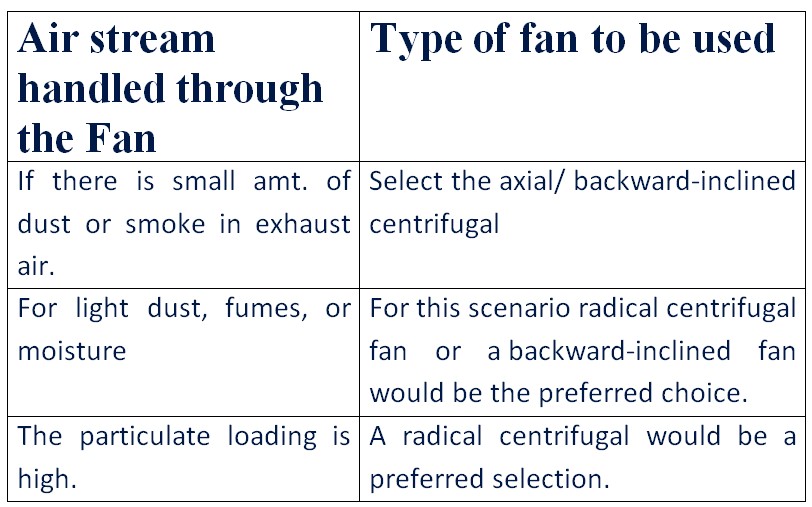
Air stream handled through the fan:

It involves the following:

Air Stream and fan to be used

Explosive or Flammable Material:

Always use spark resistant construction (use explosion proof motor if motor is in air stream. Always stick to the standards set by the National Board of Fire Underwriters, the National Fire Protection Association, and governmental regulations.

Corrosive Applications:

It may require a protective coating or special materials of construction (stainless, fiberglass)

Elevated Air Stream Temperatures:

Use the correct materials for construction, arrangement, and bearing types because the maximum operating temperature affects the strength of the materials.

Physical Limitations:

Physical limitations must be considered in fan selection. Fan size, inlet size and location, fan weight, and ease of maintenance are the important things to be considered along with performance requirements.The most efficient fan size may not fit in the available physical space.

Drive Arrangements:

In a packaged fan system, the drive arrangement, i.e., the motor, is provided by the manufacturer, but if you purchase an assembled unit, then you must make drive arrangements according to the motor type, such as:

  • Direct Drive
  • Belt Drive

Direct Drive provides a compact assembly with constant fan speeds, ensuring optimal motor performance despite variations in impeller geometry and motor speed.

Belt drive offers flexibility in fan speed. This can be done by altering the drive ratio. Some applications need flexibility in fan speed because it requires changes in system capacity or pressure requirements due to changes in process, hood design, equipment location, or air cleaning equipment.

Noise

Fan noise, generated by turbulence within the fan housing, varies by fan type, flow rate, pressure, and fan efficiency. Noise ratings must be obtained from the fan manufacturer, as each fan design is different. Most fans produce a "white" noise, a mixture of all frequencies, and radial blade fans also produce a pure tone at a frequency equal to the blade passage frequency (BPF). The backward inclined impeller design is generally the quietest, but non-uniform air flow at the fan inlet or outlet can increase fan noise level. Most fan manufacturers publish sound ratings, such as sound power levels for eight ANSI standard octave bands in decibels (dB). The surrounding environment affects the sound level, and the decibel unit is not interchangeable for sound power or sound pressure. Sound pressure levels are usually measured in dB using the "A" weighting scale, which closely reflects the human auditory response to noise of various frequencies.

Safety and Accessories:

Safety guards are required as per the latest government norms implemented everywhere. All the danger points, such as the inlet, outlet, shaft, drive, and cleanout doors, must be checked as per the safety guidelines. Accessories can help with installation as well as maintenance requirements. Examples of accessories include drains, cleanout doors, split housings, and shaft seals.

Flow Control:

To control the airflow of a fan, there are some accessories to be installed, such as dampers, variable-pitch blades, and speed control.

Dampers:

Dampers are part of the air stream so they are installed directly on the fan inlet or outlet. Dampers are made up of material, which may not be acceptable for material handling fans.

Advantages of Dampers:

  • Dramatic Power Supply and Noise Reduction
  • Simple installation.
  • Lower initial costs.

Dampers are of two types:

Outlet Dampers:

The selection of outlet dampers depends on the required resistance, with parallel and opposed blades available for optimal control.

Inlet Dampers:

Inlet dampers reduce fan output and operating horsepower by pre-spinning air into the fan inlet, ensuring power savings for extended periods of operation.

Variable Pitch Blades:

Variable-pitch impellers enable manual or automatic changes to blade pitch, allowing for pneumatic or hydraulic adjustments while the fan is operating.

Variable Frequency Drive (VFD)

In flow control, a VFD (variable frequency drive) is also used as an accessory to control the flow of a fan, so the VFD is also an important parameter in fan selection.VFD applications vary fan speed and fan static pressure by controlling voltage and frequency between the electric power source and fan motor. The fan speed varies linearly with line frequency, with most VFD applications using direct drive arrangements. Belt drives are occasionally used.

VFD's intended usage requires understanding of the building's power supply and other electrical equipment usage. In applications with 80% or more system air flow, an inlet damper may be a better choice.

In short, the following parameters are more important in selecting the right fan:

When we think about a clean air system, there are numerous factors to be considered for optimal performance of the system. The selection of fans is one of them. Here are some factors responsible for these fan selections:.

Volume Flow Rate:

Make sure the fan has sufficiently high air speed and air flow for optimal performance of the system.

Pressure:

The amount of pressure needed to move air through the ducting and any filters,dampers, or other obstructions in the ventilation system.

Type of Air stream Handled:

The type of air that needs to be moved.

Space Limitations:

Available amount of space for the fan.

Efficiency:

The fan’s efficiency depends on the design and type of fan.

All the above factors are most important in selecting the right fan or blower for the clean air system.

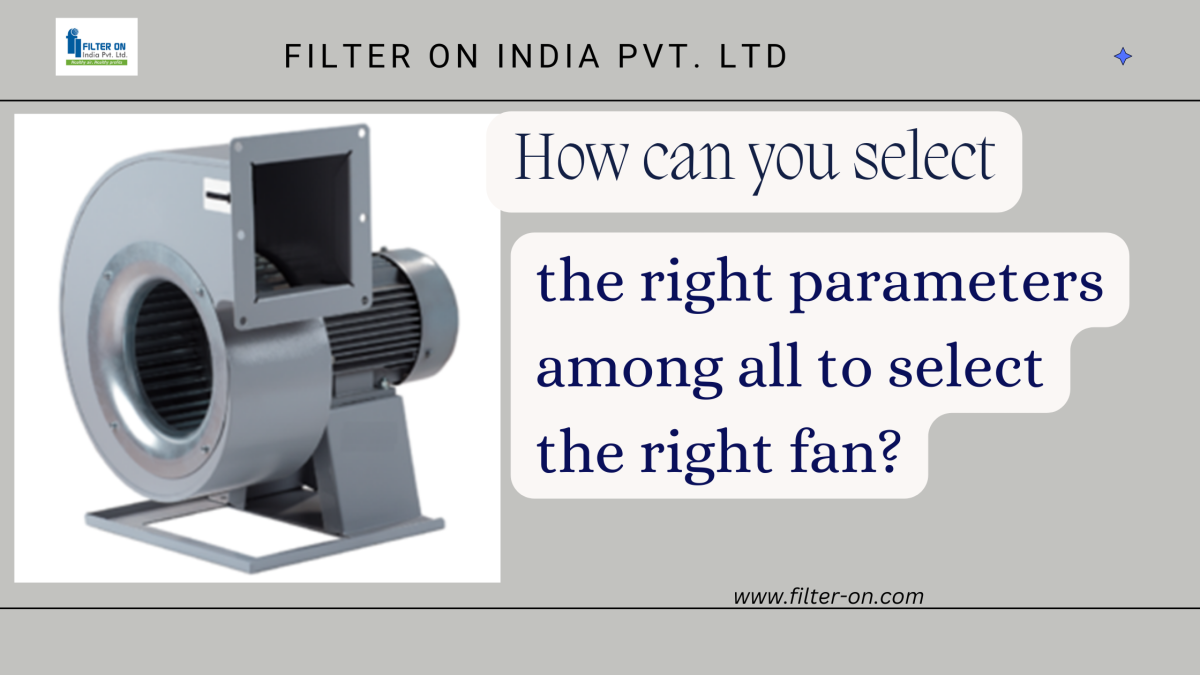
How can you select the right parameters among all to select the right fan?

With so many deciding factors and parameters, how can one choose the right parameters to choose the right fan for a clean air system? Here, Filter On’s expert guidance came into play. Filter On assesses requirements and gives you expert guidance to choose the right fan for a clean air system.

Filter On will assess:

  1. Statically and dynamically balanced fans, optimized with careful selection of operating points.
  2. Optimal VFD ensures further power savings.
  3. Fans are selected for optimized performance and require less power.

Thus, Filter On uses their 40+ years of expertise to help you decide the right fan for a clean air system.

In the next article we will explore more about fine tuning of fans for optimum performance of the system.

Filter On India has been working towards “Mission Zero Pollution” for the last 40+ years as a clean air solutions partner for industries. We specialize and have expertise in welding fumes, oil mist, coolant mist, dust collection, soldering, laser marking, laser cutting, plasma cutting, fumes in fastener manufacturing, ball point tip manufacturing, oil quenching, kitchen fumes, etc. Filter On has 70+ clean air solutions, so you can contact us for more information about our solutions. You can reach us through the web or visit us at our corporate office at Pune and our virtual locations at Delhi, Bangalore, Ahmadabad, Hyderabad, or Chennai locations.
Facebook
Twitter
LinkedIn
Categories
Blogs

Optimizing Air Quality: An Extensive Guide to Fan Selection for Clean Air Systems (Part I)

Optimizing Air Quality: An Extensive Guide to Fan Selection for Clean Air Systems (Part I)

We discussed the selection of filtration systems in the previous article. Fan selection is most important in ventilation when we talk about air-moving devices, selection of fan is most important because it has impact on the overall performance of the clean air system, However fan selection is difficult task, so some expert guidance is necessary. Here in this article we will discuss types of fans, some guidelines about how to choose right fan for right application? Etc..

Classification of fans for fan selection

Fans are the primary air-moving devices in industrial applications, so they have been classified into three basic groups:

  • Axial Fans
  • Centrifugal Fans.
  • Special Type Fans

Axial Fans

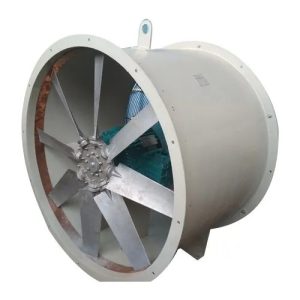
Industrial Tube Axial fan
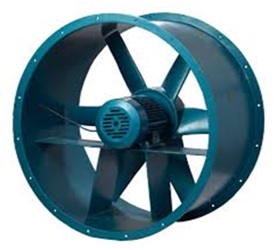
Industrial Axial fan

Axial fans are used for high flow rates at lower resistance. Axial fans are of three types:

  • Propeller Fans
  • Tube axial Fans
  • Vane axial Fans

Propeller fans are essential for general ventilation, utilizing blade types like disc or propeller blades for low resistance. Performance is sensitive to resistance, affecting flow rate.

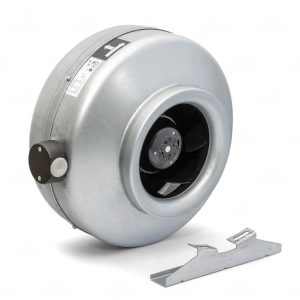
Tube axial fans, also known as duct fans, are fans designed to move air against moderate pressures, typically with narrow or propeller-type blades in a short cylindrical housing.

Vane axial fans, typically mounted in cylindrical housings, are highly efficient and typically used in clean air applications due to their higher pressures.

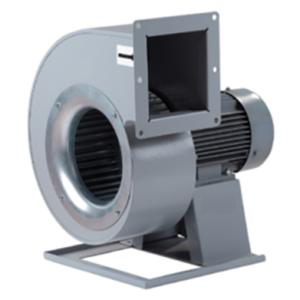
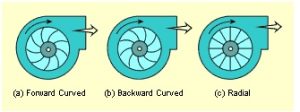
Types of centrifugal fan

Forward Curve (Squirrel Cages):

Squirrel cages, with their low space requirements and quiet operation, are ideal for low to moderate static pressures in heating and air conditioning work but not recommended for dust or particles that could cause unbalance.

Radial Impellers:

Radial impellers offer a variety of blade shapes, ranging from high efficiency to heavy impact resistance, designed for exhaust systems. These radial blades, with medium tip speeds, handle both clean and dirty air, ensuring efficient material conveying velocities.

Backward-inclined or backward-curved impeller blades

These blades are inclined oppositely to the direction of fan rotation. These types of fans have higher speeds, efficiency, and relatively low noise levels with non-overloading horsepower characteristics.

These impellers have two types:

  • Single-thickness blades and
  • Airfoil blades.

Special Type Fans:

Special Type Duct Fans

Special-type fans, such as in-line centrifugal and vane axial fans, feature backward-inclined blades and similar performance curves to scroll-type centrifugal fans.

Thus, it is very important to choose the right type of fan for the right kind of application. For example, choosing a forward-curved fan for fume and dust handling will definitely be the wrong choice, as it would lead to the deposition of particles on forward-curved blades and thus imbalance.

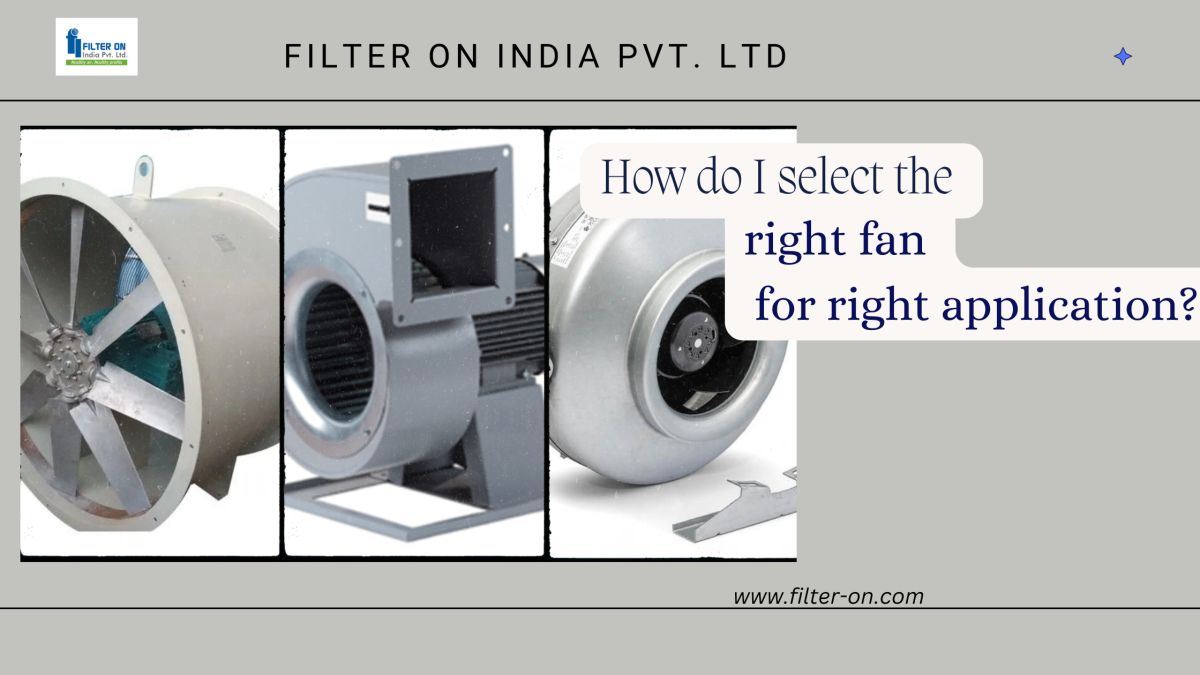
How do I select the right fan for the right application?

In conclusion-

  • Choose an axial fan for low-pressure and high-volume clean air ventilation applications (like underground parking or tunnel exhaust ventilation).
  • Choose centrifugal forward-curved fans for fresh air low-pressure applications. You will find these fans most commonly used for small AC units, coolers, etc.
  • Choose centrifugal backward-curved fans for medium-pressure and low- to high-volume applications. These are most commonly used for industrial fume extractors, dust collectors, AHUs of central AC systems, etc.
  • Choose centrifugal radial fans for material movement like pneumatic conveying, dust handling systems, powder handling systems, etc.

In the next article we will explore more about configurations and type of drives of fans which has a significant impact on performance of the system as a whole.

Filter On India has been working towards “Mission Zero Pollution” for the last 40+ years as a clean air solutions partner for industries. We specialize and have expertise in welding fumes, oil mist, coolant mist, dust collection, soldering, laser marking, laser cutting, plasma cutting, fumes in fastener manufacturing, ball point tip manufacturing, oil quenching, kitchen fumes, etc. Filter On has 70+ clean air solutions, so you can contact us for more information about our solutions. You can reach us through the web or visit us at our corporate office at Pune and our virtual locations at Delhi, Bangalore, Ahmadabad, Hyderabad, or Chennai locations.
Facebook
Twitter
LinkedIn
Categories
Blogs

Selecting the right filtration technology: Key To Clean Air System

Selecting the right filtration technology: Key To Clean Air System

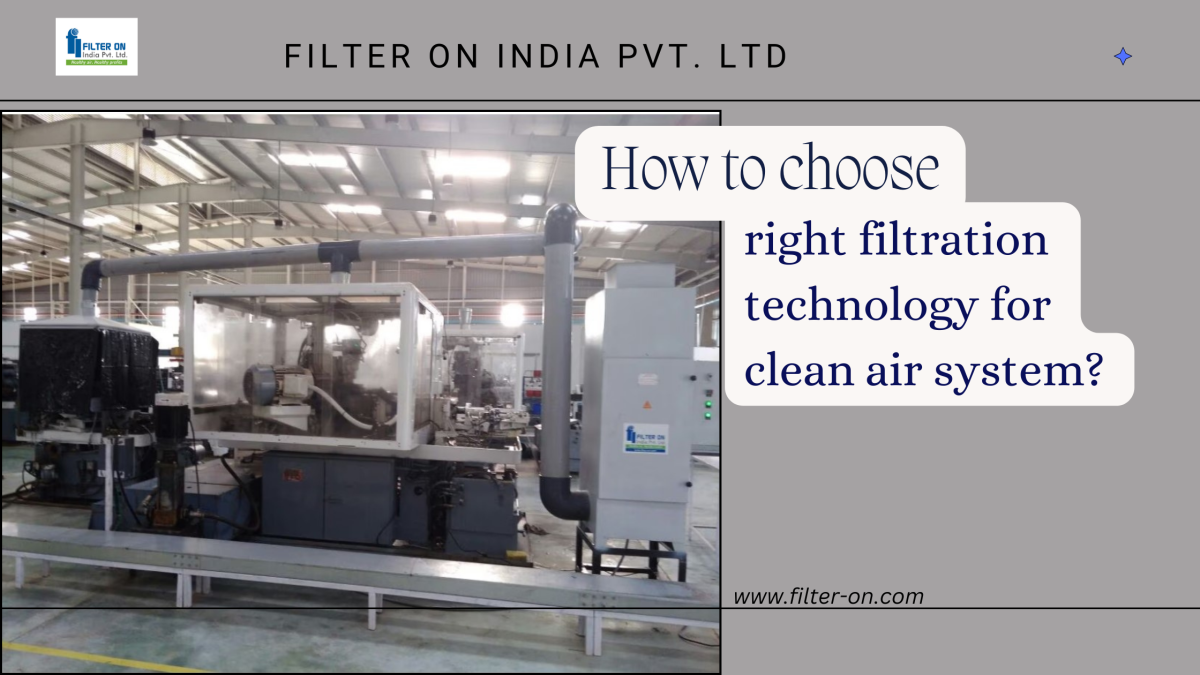
Selecting the right filtration technology is a critical task for anyone. In a previous article, we discussed the importance of airflow in pollution control. Now we will look into the filtration technology we use in the clean air system, which is these:? What are their advantages and disadvantages? Which applications are suitable or unsuitable for these technologies? How do you wisely choose the best technology between them, etc.? The answers to all these questions are the focus of this article.

When we talk about filtration technology, we come across the three technologies that Filter On India offers, namely:

  • Electrostatic Precipitation Technology
  • Media Filter / Cartridge Technology
  • Wet Scrubber and Venturi Scrubber Technology

Electrostatic Precipitation Technology: The Advanced Cleaning Technology

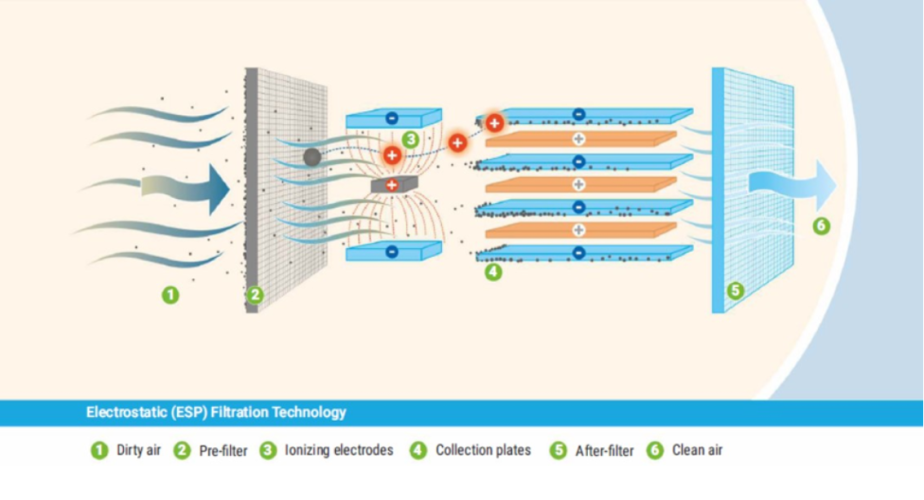
Electrostatic precipitation (ESP) technology is a two-stage electrostatic air filtration system used to filter fumes, smoke, mist particles, and dust particles. Filter-On's ESP system uses a metallic and washable filter element to release smoke-free, clean air back into the environment. This technology is effective in handling the smallest particles (0.01 micron to 10 micron) and offers various models to suit various applications, locations, and performance requirements. The ESP system provides high efficiency and excellent return on investment.

BENEFITS:

  • Zero Replacement Cost
  • Low pressure loss saves running costs
  • High efficiency even for submicron particles

Electrostatic Precipitator Technology

Key Applications of Electrostatic Precipitation Technology:

  • Dry Fumes like Soldering, Laser Marking, Spot Welding, Wave Soldering, manual welding, Robotic Welding & SPM etc.
  • Oil Mist Filtration for small CNC machines like ball pen tip-making machines, CNC grinding machines, 5 Axis grinders, Sliding Heads, Gear Cutting / grinding machines, Hobbing machines, Cold Forging, Nut Formers
  • Kitchen fumes filtration

Limitations:

Needs manual cleaning periodically. Thus not suitable in high dust concentration applications like plasma cutting, dry grinding, laser cutting etc. Also, it is not recommended for applications which are fire sensitive e.g. aluminum dust or flammable aerosols. One more application is corrosive acidic fumes, where this technology is not suitable.

Media Filter/Cartridge Technology: The Fine Technology

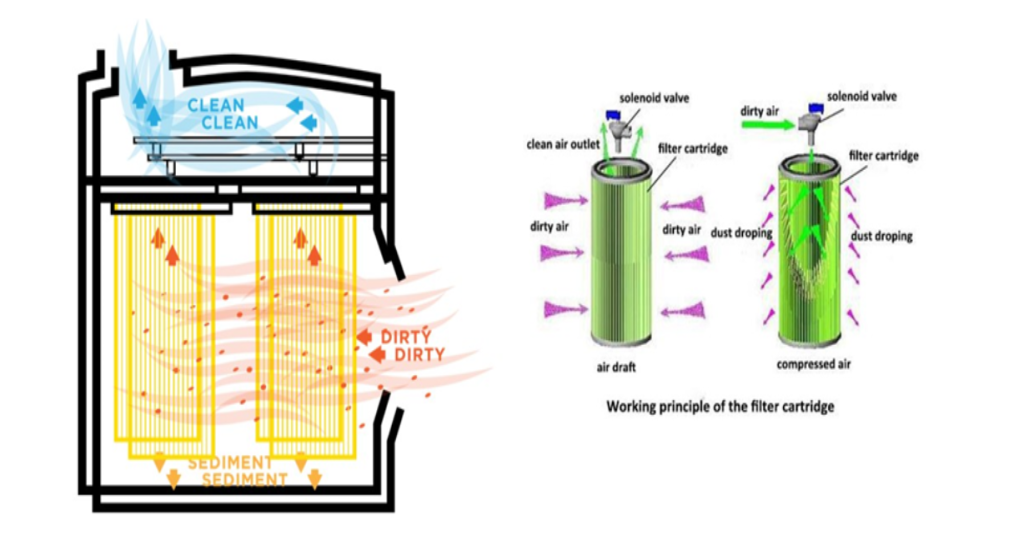
During various processes such as plasma cutting, laser cutting, grinding, polishing, welding, laser marking, graphite machining, woodworking dry dust and solid particles are generated so this is a simple system that can be easily deployed for the separation of the dry dust and solid particles generated from above processes. Dust-laden air passes through a cartridge filter, capturing fine dust particles, allowing clean air to pass through, ensuring a healthier environment.. In this system, filter cleaning is automatically achieved through reverse pulsed jets of compressed air, and the dust gets accumulated in a bottom tray, which can be easily removed and cleaned.

Media Type/Cartridge Type Technology

BENEFITS:

  • Automatic Cleaning:Routine maintenance of filters is very easy
  • High efficiency
  • Works effectively for heavy dust loads

Key Industrial Applications of Media Filter/Cartridge Technology:

  • Welding fume extraction
  • Grinding Dust Collection
  • Plasma cutting fume extraction
  • Melting furnace fume extraction
  • Saw dust collection in the woodworking industry

Limitations:

This system is not found effective in applications where the pollutant has some wet/liquid part like oil or grease. It clogs the filters early making the system ineffective. Also, if there are possibilities of any sparks/splatters or hot metal particles entering the system, it may cause the fire as the filter material in most of the cases is fire sensitive.

Wet/Venturi Scrubber Technology:

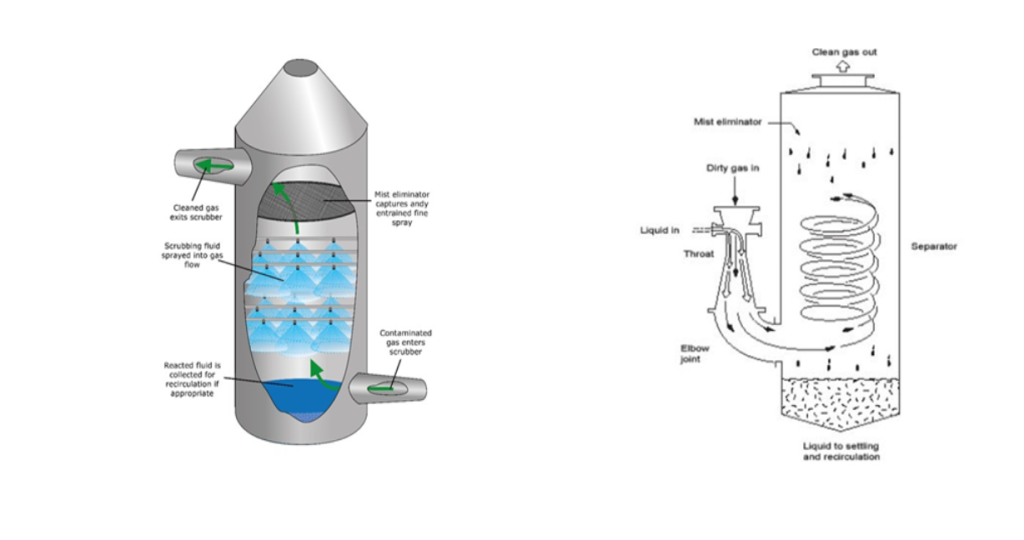
Wet scrubbers are a simple, yet powerful tool for removing particulate matter and other contaminants from gas streams. They work by capturing particulate matter in liquid droplets, which are then collected and dissolving or absorbing the pollutant gas. The efficiency of a wet scrubber depends on the power input and the use of a mist eliminator. Wet scrubbers are typically the only air pollution control device that can remove both pollutants. Water is the most common solvent used to remove inorganic contaminants, and other liquids can also be used as absorbing solutions. The chemical composition of these solutions can change the overall charge, making it crucial to choose the scrubbing liquid that will bind most effectively to remove contaminants from the gas. For industrial air pollution applications, wet scrubbers are designed with premium materials and quality thermoplastic construction, as well as UV-resistant PVC, polypropylene, and polyethylene for outdoor installations.

Wet/Venturi Scrubber Technology

Venturi Scrubber Technology:

Industrial processes often generate hazardous submicron particles, welding fumes, odors, and other water- or chemically-soluble fumes and vapors. The Venturi scrubber is designed to capture these pollutants through adsorption, using energy from the inlet gas stream to atomize the liquid being scrubbed. The section comprises a converging section, a throat section, and a diverging section, with exhaust gas entering the converging section and liquid entering the throat or entrance. The exhaust gas moves at high velocities in the small throat section, shears the liquid from its walls, producing tiny droplets. Particle and gas removal occurs in the throat section, and the exhaust stream exits through the diverging section. Venturi scrubbers can collect both particulate and gaseous pollutants. Wet scrubbers, which use water as a solvent, can also be used to remove inorganic contaminants. The Caustic solution (sodium hydroxide) is the most common scrubbing liquid used for acid-gas control.

Working Principle:

It works on the following principle: it creates a differential between higher velocity gas and the highly energetic turbulence nature of the liquid, which creates droplets, which helps in capturing the contaminants at a faster rate and making them a highly concentrated slurry.

Features:

  • A simple design for the introduction of scrubbing liquid.
  • Fixed Venturi throat dampers
  • The design does not involve mesh pads; instead, it contains a cyclonic separator for mist elimination
  • In order to minimize the consumption of water, it is designed with separate recirculation systems

Advantages :

  • Highly capable of removing pollutants like Corrosive Fumes, Dust, VOCs & Gases. Ability to handle high temperatures
  • The design can be customized based on the application with less cost. Can reduce the high moisture streams
  • Ability to neutralize dust and gasses that are flammable in nature Less maintenance
  • Operates with higher efficiencies (in case of Venturi Scrubber)

Key Industrial Applications of Wet Scrubber Technology:

  • Acid Fumes
  • Flammable Dust Extraction
  • Gas Absorption like Ammonia / H2S / SO2 etc.

Limitations:

Wet Scrubbers need a lot of water. So it can't be used in water scarce regions. Also, the pollutants get absorbed in the water and this water cannot be drained directly anywhere. You need to have an Effluent treatment facility within your plant. In absence of ETP, wet scrubbers cannot be used.

One more limitation is regarding the size. Wet scrubbers are quite big in size as compared with other filtration systems.

Venturi Scrubbers need very high power (highest among all other technologies)

How do I select the right filtration technology?

We have discussed in detail various technologies of filtration, so now which technology is ideal for your application?

Choosing the best technology for your application is very important when you have quotations from various industrial players. It may include electrostatic precipitation technology, cartridge technology, and wet/venturi scrubber technology. All these technologies have advantages as well as some limitations, but when you look at the long run, You must look into the answers to some of the questions first.

  1. Whether this technology is suitable for my application?
  2. What is the power cost of using the filtration technology?
  3. What is the replacement cost & frequency of replacement?
  4. What is the maintenance cost for filtration technology?

All these questions are very important in the selection of the filtration technology for your application, so Filter On India can give you expert advice and help you decide which is the right filtration technology for your application or combinations of one or two of the technologies for your application.

Benefits of choosing the right filtration technology for your applications:

  • Cost saving
  • Long-Term Working
  • Power Saving
  • Low Maintenance Cost
  • Efficiency in Working

Filter On India has been working towards “Mission Zero Pollution” for the last 40+ years as a clean air solutions partner for industries. Filter On has 70+ clean air solutions, so you can contact us for more information about our solutions. You can reach us through the web or visit us at Pune, Delhi, Bangalore, Ahmedabad, Hyderabad or Chennai locations.

Facebook
Twitter
LinkedIn